2026 NPT Review Committee
What is The NPT Review Conference?
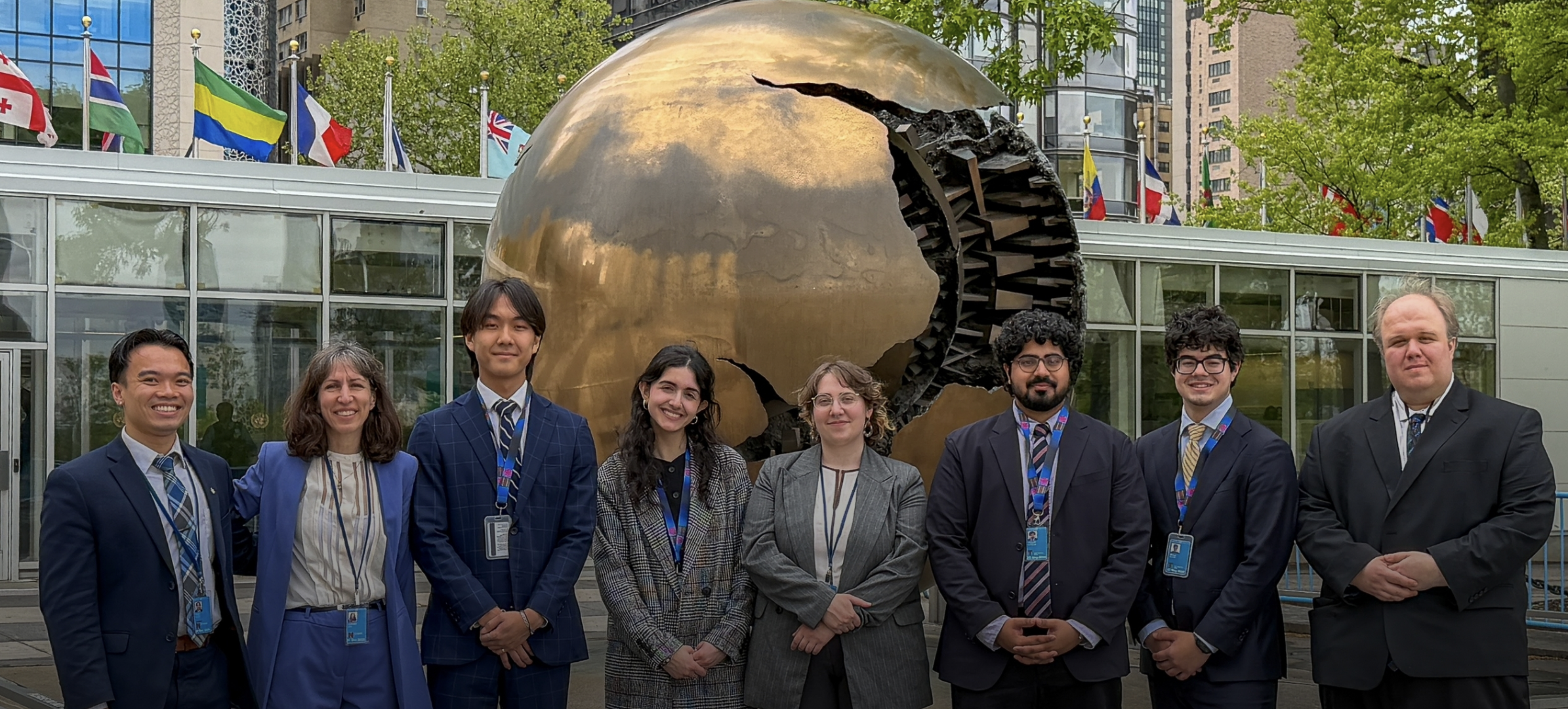
The 2026 Review Conference of the Parties to the Treaty on the Non-Proliferation of Nuclear Weapons (NPT) was held from 27 April to 22 May 2026 at United Nations Headquarters in New York. Convening every five years, the Review Conference serves as the principal forum for States Parties to assess the implementation of the Treaty and discuss the future of the global nuclear order.
The Review Conference examined the implementation of the NPT's three pillars: nuclear disarmament, nuclear non-proliferation, and the peaceful use of nuclear energy. States Parties reviewed progress made since the 2022 Review Conference, debated emerging challenges to the treaty regime, and sought to build consensus on steps to strengthen the NPT. Discussions took place against a backdrop of heightened geopolitical tensions, growing concerns over nuclear modernization and proliferation, and continued debate over the pace of disarmament efforts.
The 2026 Review Conference marked the Eleventh NPT Review Conference, bringing together governments, international organizations, civil society groups, and youth representatives from around the world to evaluate the health of the treaty and its role in maintaining international peace and security.
our Delegation’s mission
Our youth delegation worked to ensure that young people were represented in discussions on nuclear disarmament and non-proliferation. Drawing on a wide range of backgrounds and experiences, we brought youth perspectives, priorities, and ideas into conversations with policymakers and diplomats.
We advocated for a future that is free of nuclear weapons.
NAPF - RTT Statements
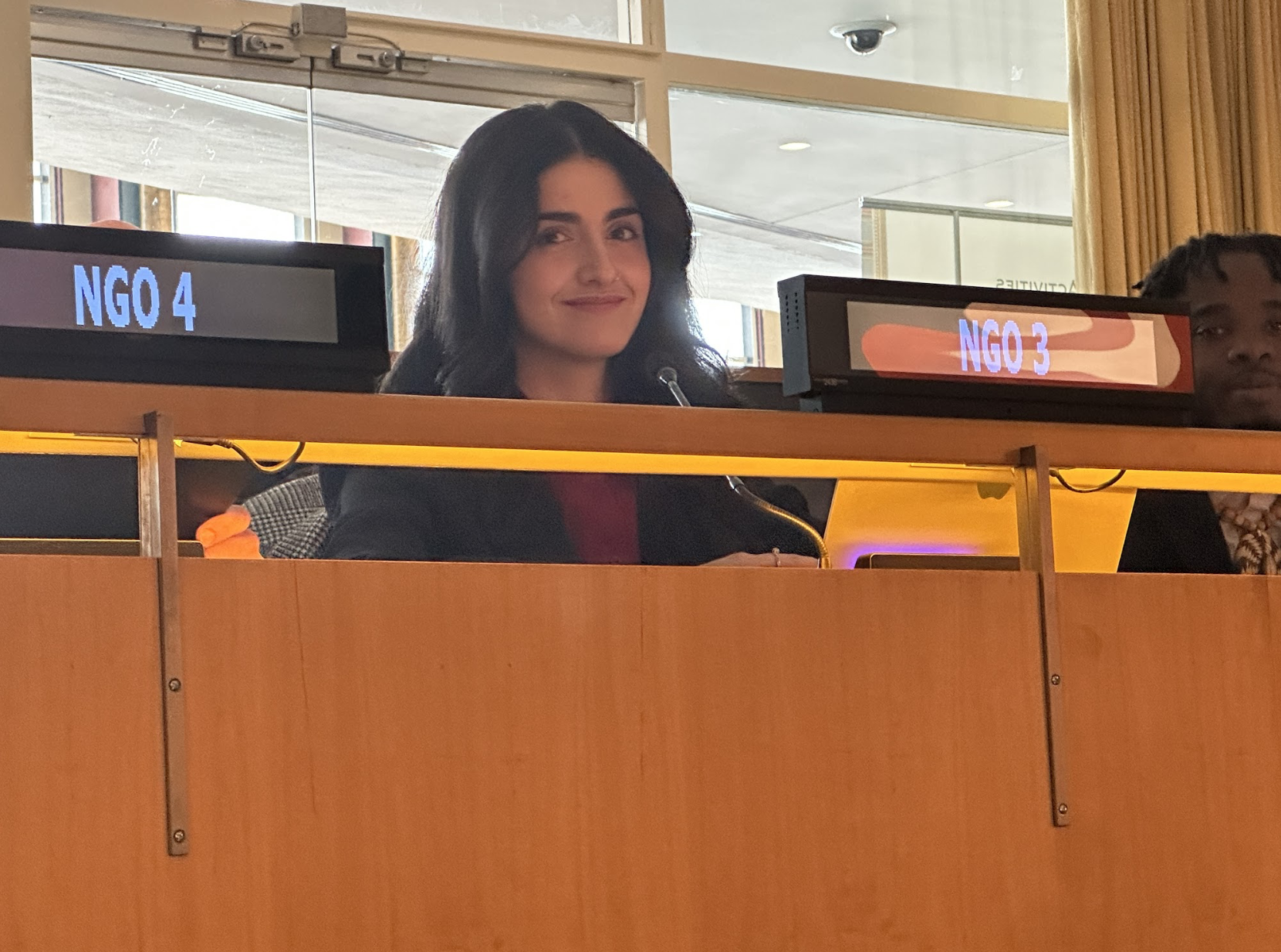
Youth delegates Rooj Ali of the Nuclear Age Peace Foundation and Reverse The Trend, and Jahrik Browner of the PEAC Institute co-deliver a statement on behalf of twenty-five organizations at the 2026 NPT Review Conference.
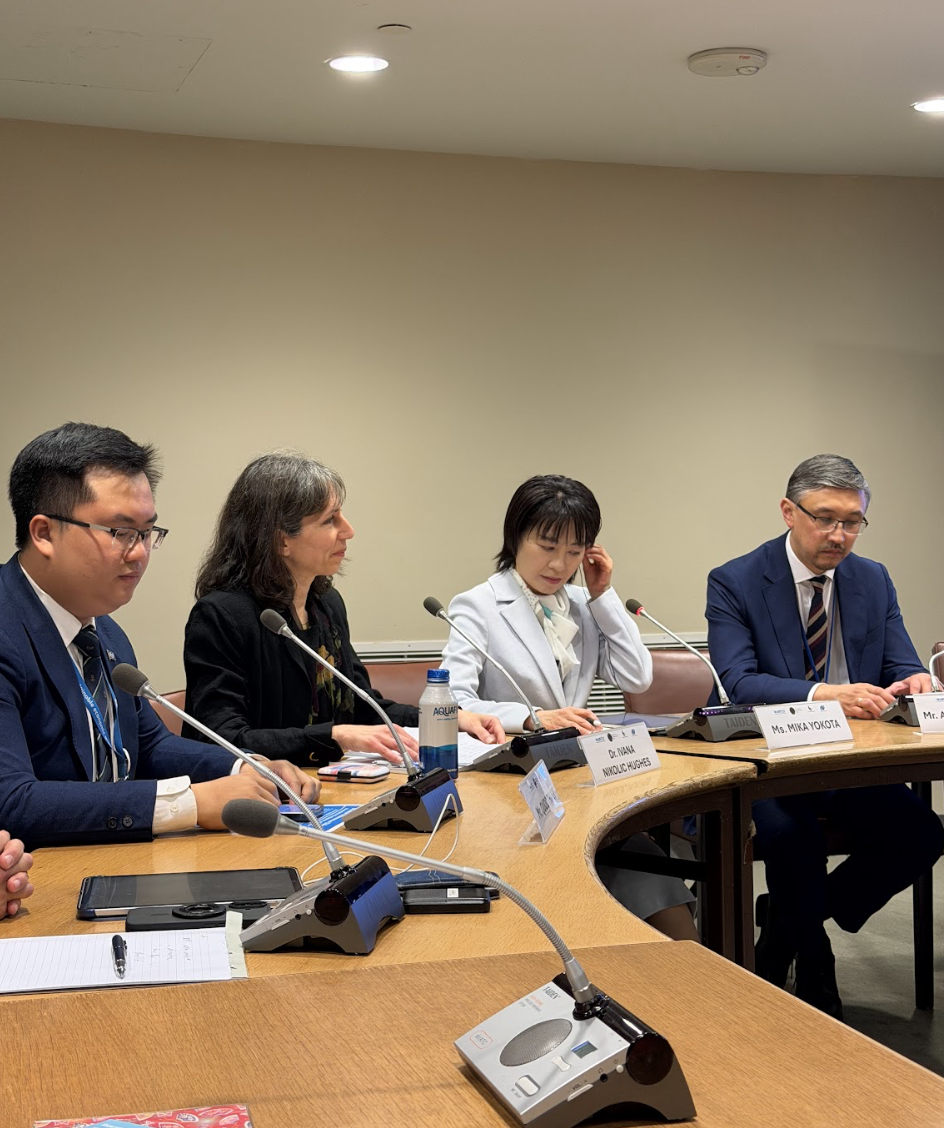
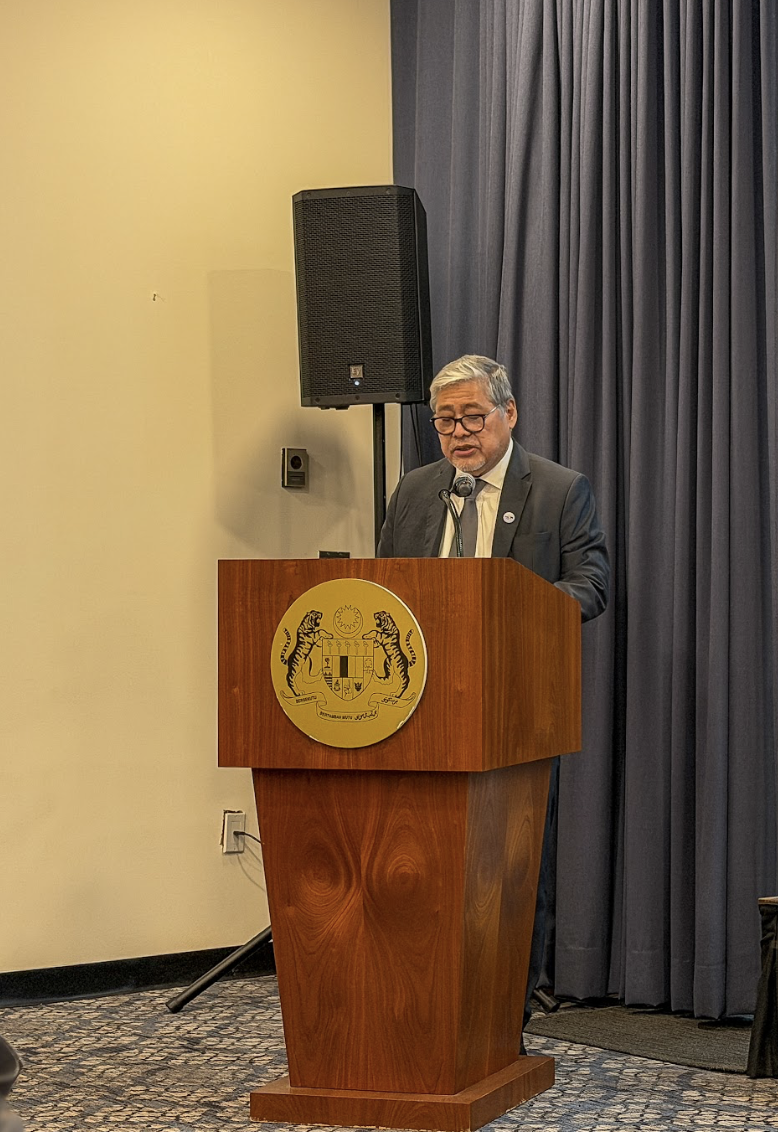
Ivana Hughes, President of the Nuclear Age Peace Foundation, delivers remarks at the 2026 NPT Review Conference, advocating for stronger international cooperation in pursuit of a world free of nuclear weapons.
Side Events
Revitalizing Nuclear Disarmament and Non-Proliferation Education
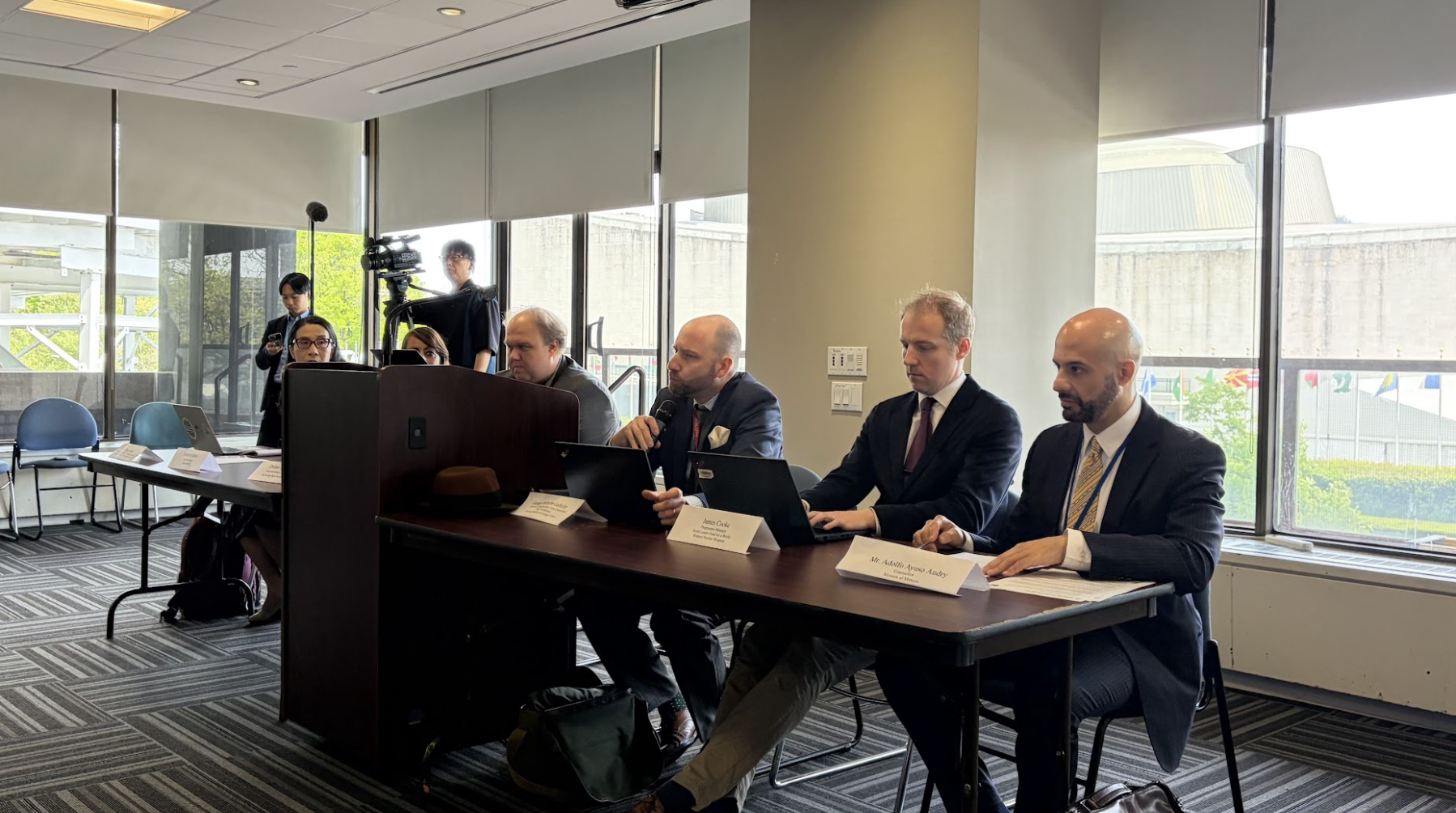
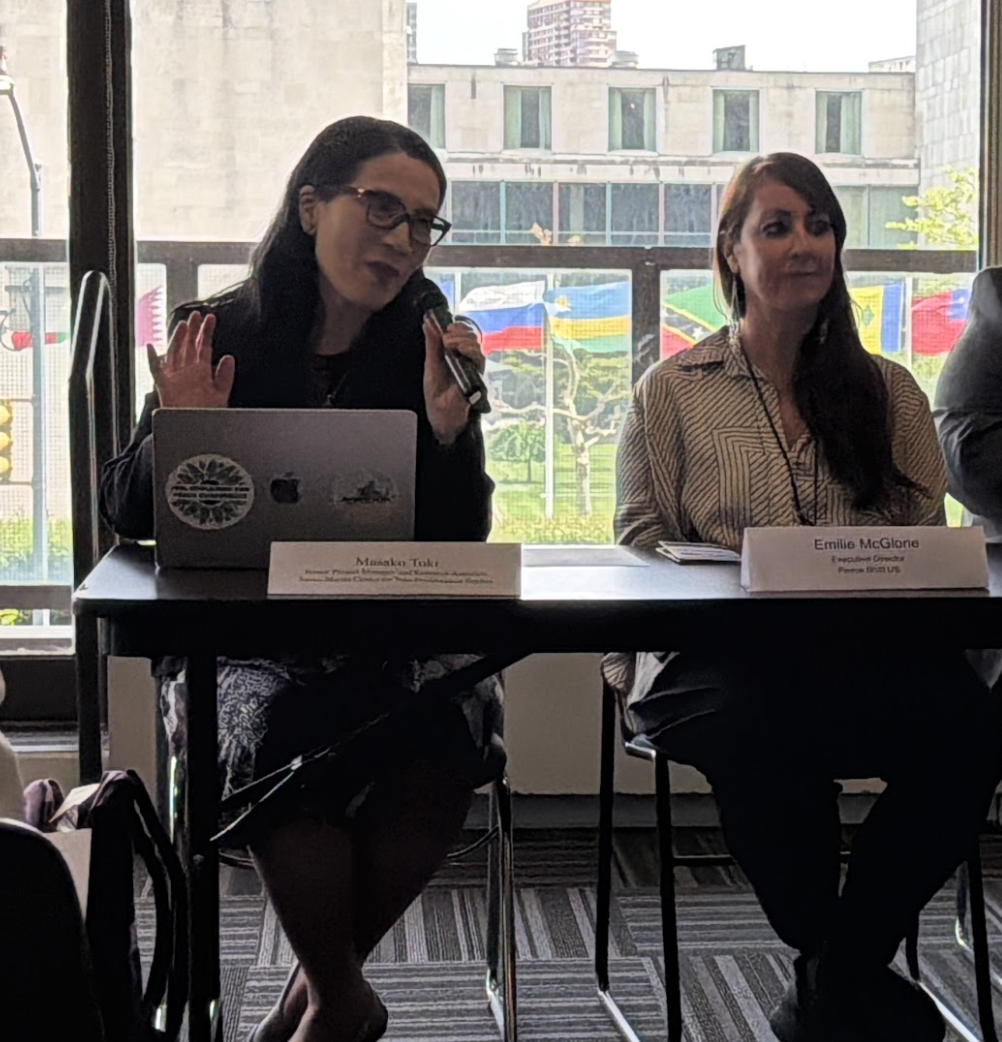
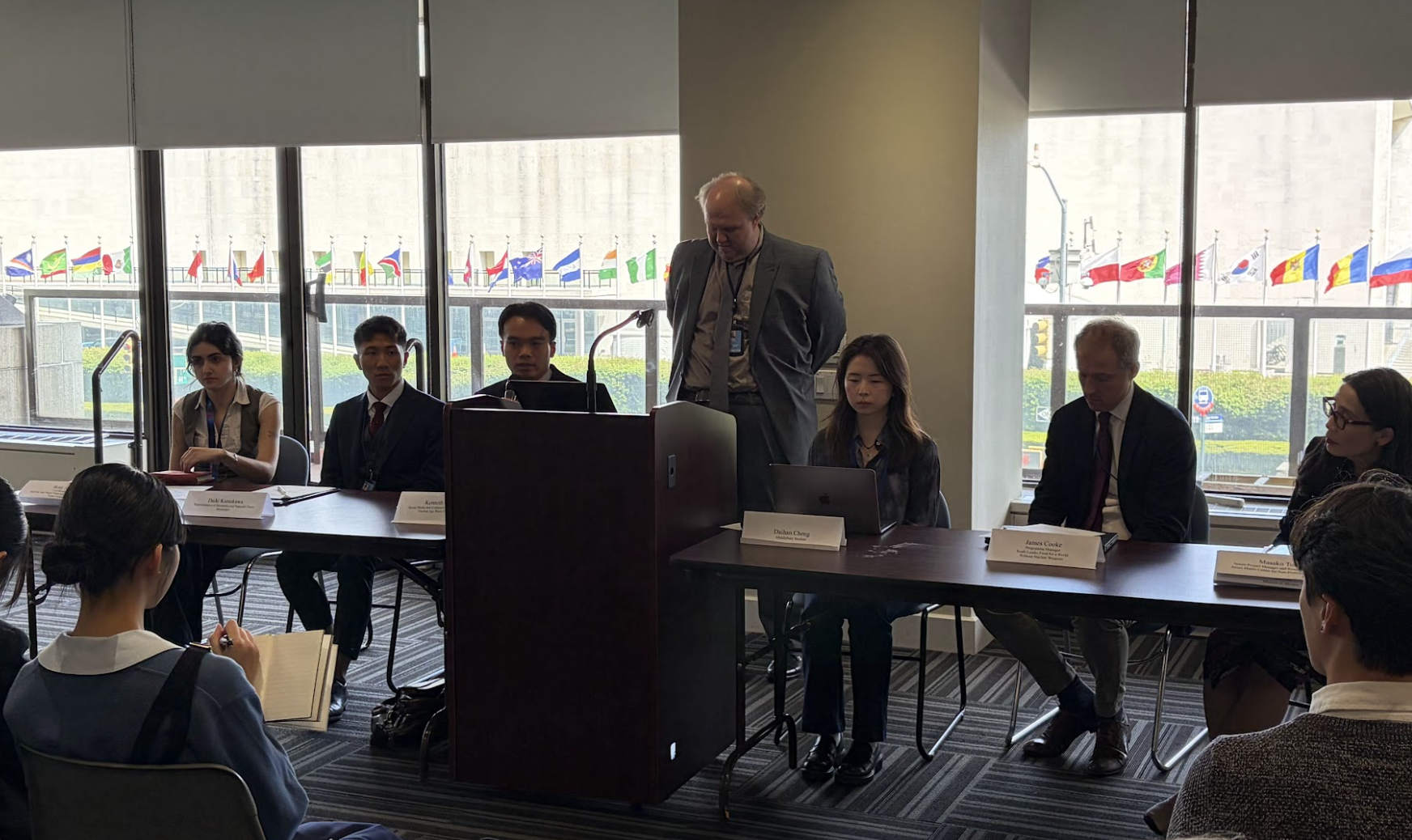
On April 29, 2026, our youth delegation attended the side event “Revitalizing Nuclear Disarmament and Nonproliferation Education” during the NPT Review Conference. The event brought together government representatives, educators, youth leaders, and civil society organizations to discuss how education can empower younger generations to engage in nuclear disarmament and nonproliferation efforts.
Speakers highlighted innovative educational initiatives from around the world, including Mexico’s integration of disarmament education into primary school curricula and youth-led peace programs in Hiroshima and Nagasaki. Participants emphasized the importance of connecting nuclear issues to broader concerns such as climate change, artificial intelligence, and inequality, while ensuring educational opportunities are accessible to all young people. The discussion underscored the critical role of youth engagement and education in building a more informed and active generation of disarmament advocates.
Choose Hope: Addressing Deterrence Through the Lens of the Humanitarian Impact of Nuclear Weapons
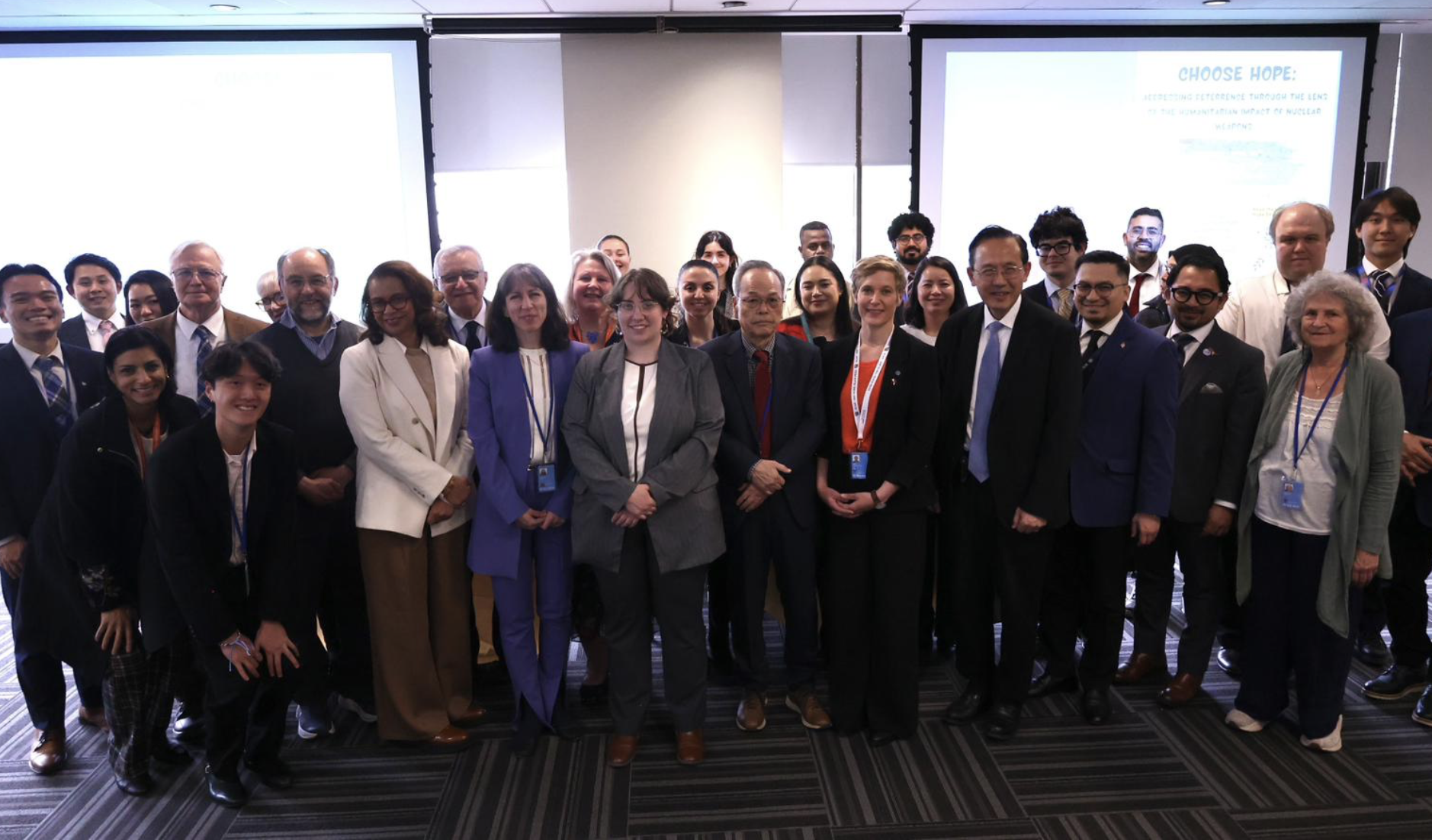
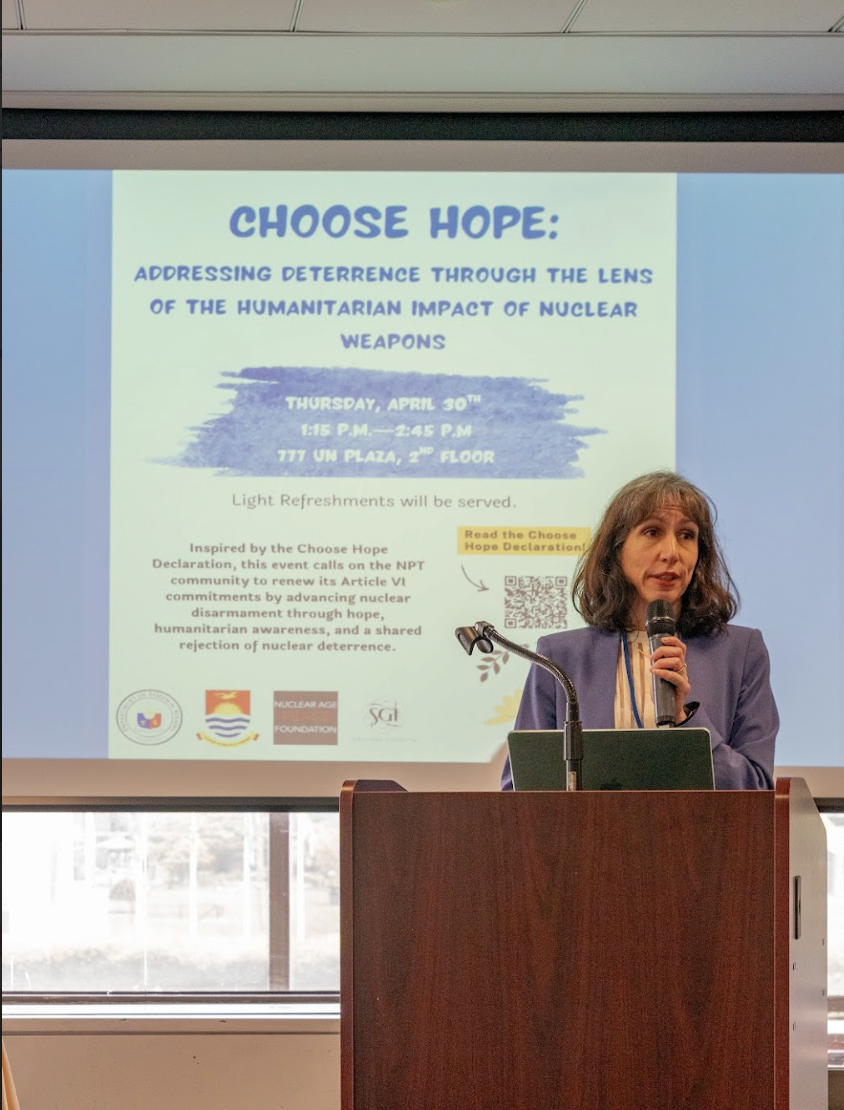
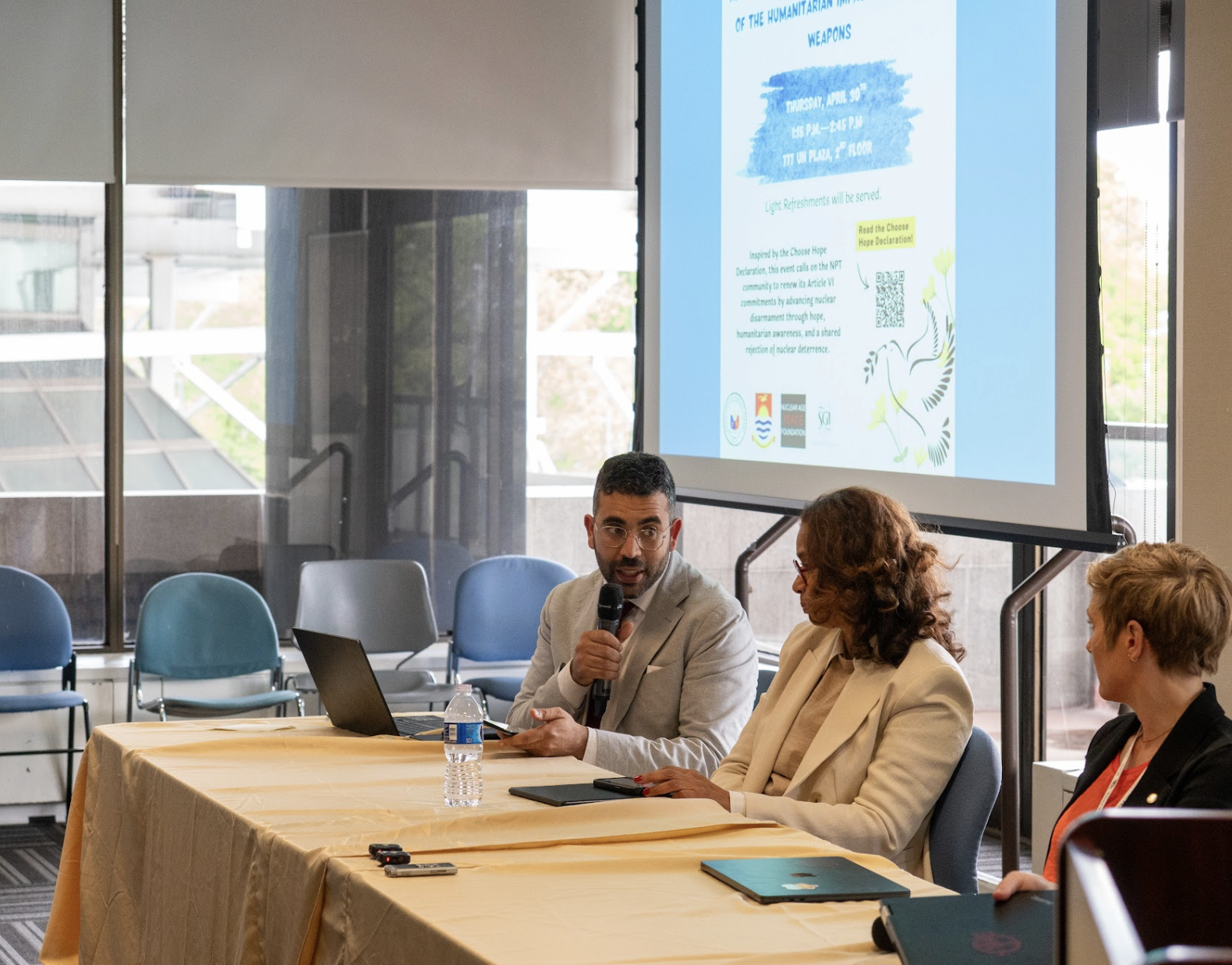
On April 30, 2026, discussions at the NPT Review Conference turned to the humanitarian consequences of nuclear weapons and the need to challenge the doctrine of nuclear deterrence. The side event “Choose Hope: Addressing Deterrence through the Lens of the Humanitarian Impact of Nuclear Weapons” brought together diplomats, civil society leaders, and hibakusha advocates to examine the human costs of nuclear weapons and envision alternative approaches to security.
Speakers emphasized that nuclear weapons pose an existential threat not only to international security but also to humanity’s ability to address other global challenges, including climate change. Representatives from the Philippines and Kiribati called for renewed attention to the humanitarian consequences of nuclear weapons and greater support for communities affected by nuclear testing, while civil society leaders argued that true security must be rooted in human wellbeing rather than the threat of mass destruction.
A particularly powerful testimony came from Mr. Hideto Matsuura of Nihon Hidankyo, who shared his mother's experience surviving the atomic bombing of Hiroshima while pregnant with him. His account illustrated the immediate devastation of the blast as well as the long-term suffering caused by radiation exposure. The event underscored the importance of centering affected communities in disarmament discussions and reinforced the message that hope, education, and collective action are essential to achieving a world free of nuclear weapons.
Brushstroke for Peace: Art, Memory, and Nuclear Abolition
Marking the thirtieth anniversary of the Treaty of Bangkok, a May 4th side event explored how art, storytelling, and youth engagement can strengthen efforts toward a world free of nuclear weapons. Co-hosted by Thailand, Kiribati, the Nuclear Age Peace Foundation, and Reverse the Trend, the event featured advocates and representatives of affected communities who reflected on the enduring human legacy of nuclear weapons.
Speakers emphasized the importance of preserving survivor testimony and ensuring that the experiences of hibakusha, downwinders, and nuclear testing victims are not forgotten by future generations. Through discussions of visual art, literature, theater, and social media, participants highlighted the unique ability of creative expression to communicate the human consequences of nuclear weapons and engage audiences beyond traditional diplomatic spaces.
During the event, speakers underscored the vital role of young people in advancing disarmament and non-proliferation efforts. The conversation connected the anniversary of the Treaty of Bangkok to broader nuclear-weapon-free zone initiatives around the world and reaffirmed that progress toward disarmament has often been driven by non-nuclear-weapon states, affected communities, artists, and youth advocates.
Addressing Verification and Dismantlement of Nuclear Weapons and Victim Assistance: Bridging Policy and Practice
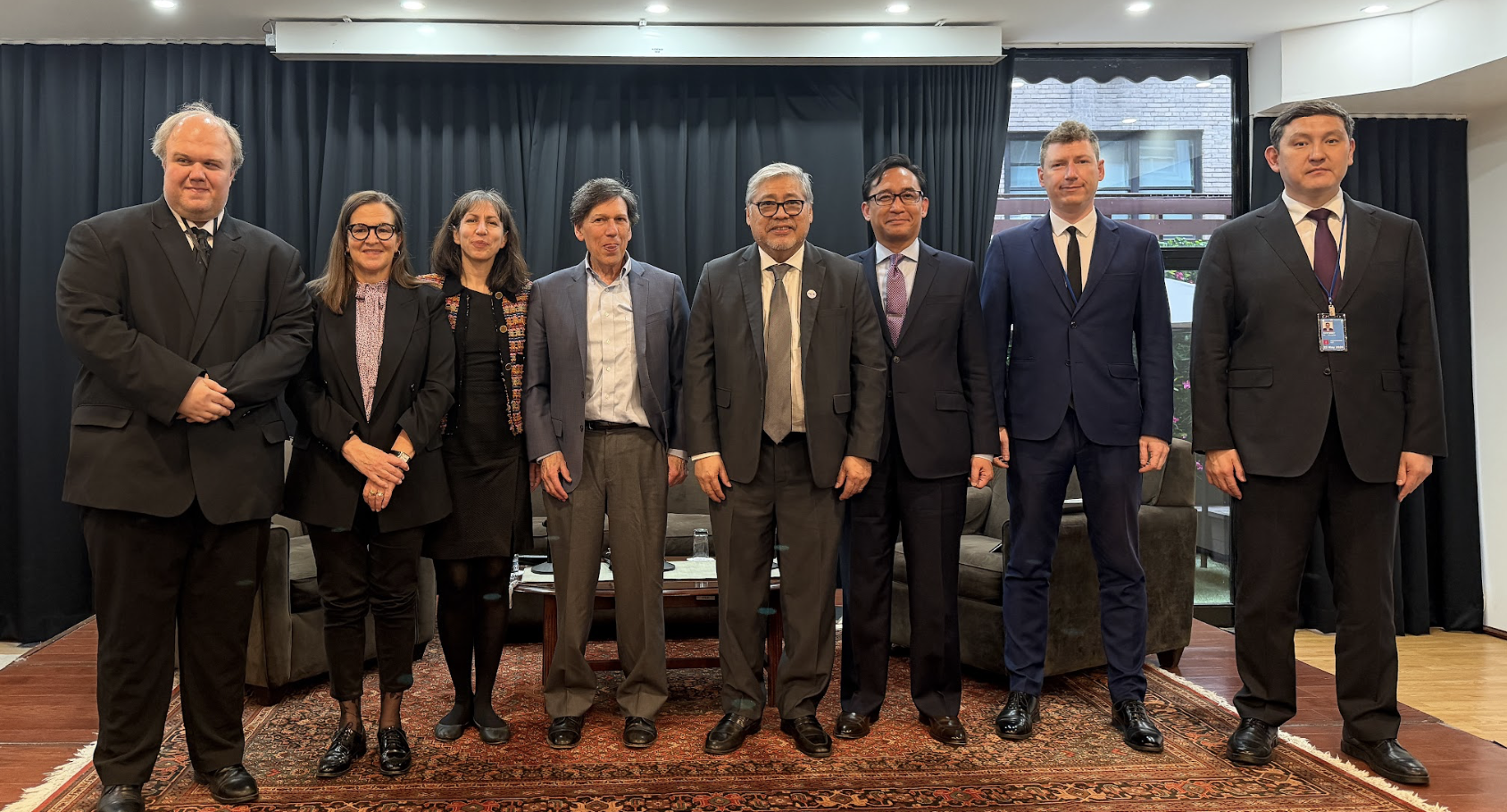
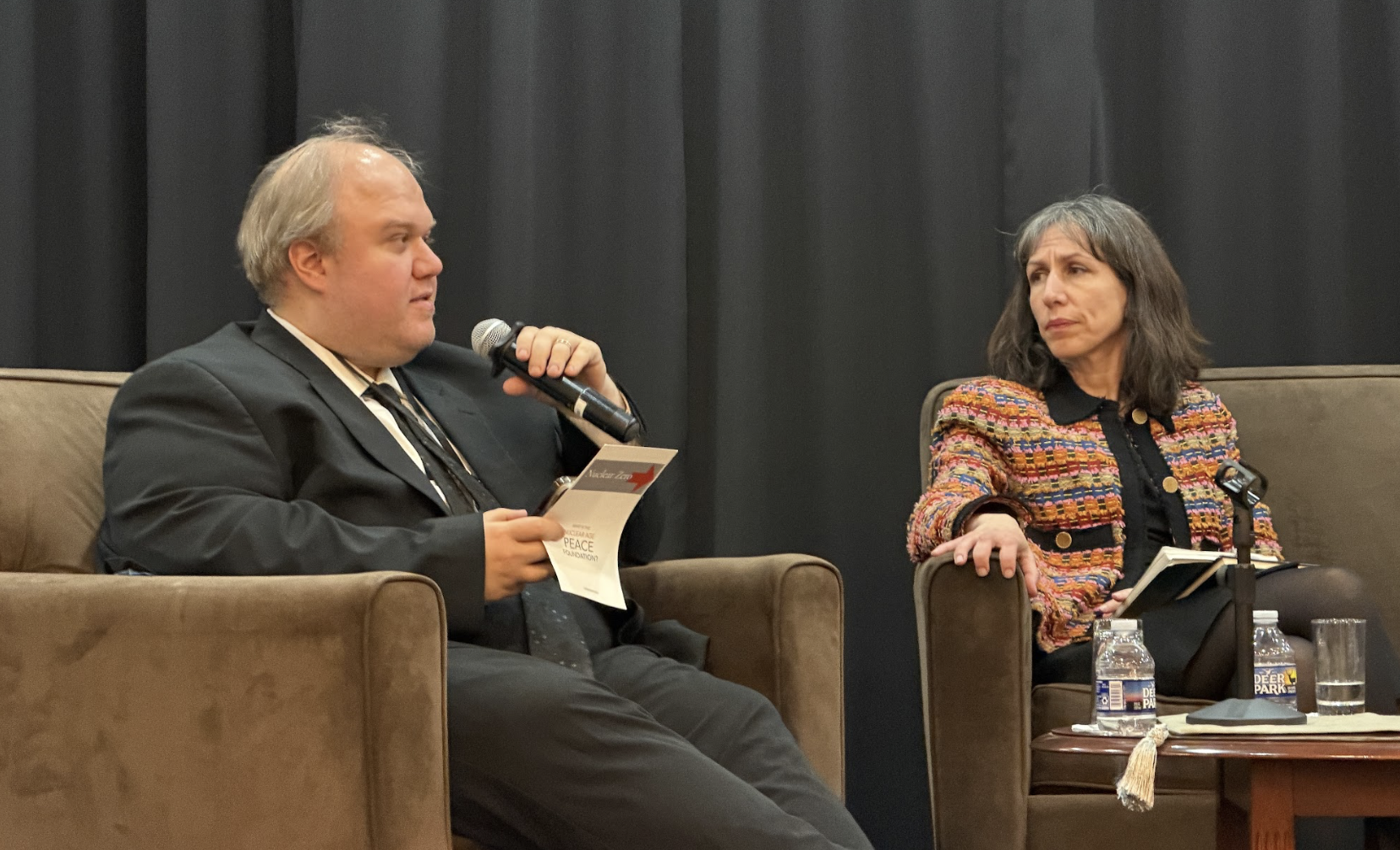
As discussions at the NPT Review Conference increasingly focused on implementation, a May 8 side event examined one of the most important questions facing the disarmament community: how a future world free of nuclear weapons could be verified and sustained. The event explored verification mechanisms, humanitarian consequences, and the practical steps needed to turn disarmament commitments into reality.
Participants highlighted the ongoing impacts of nuclear testing in places such as the Marshall Islands and Kiribati, emphasizing the need for victim assistance, environmental remediation, and greater attention to nuclear justice. Several speakers stressed that disarmament must move beyond political declarations and be supported by concrete verification frameworks.
The event also addressed emerging risks, including the growing intersection of nuclear weapons with artificial intelligence, cybersecurity, and space-based technologies. Youth representatives emphasized the importance of intergenerational responsibility, warning that future generations will bear the consequences of today's decisions.

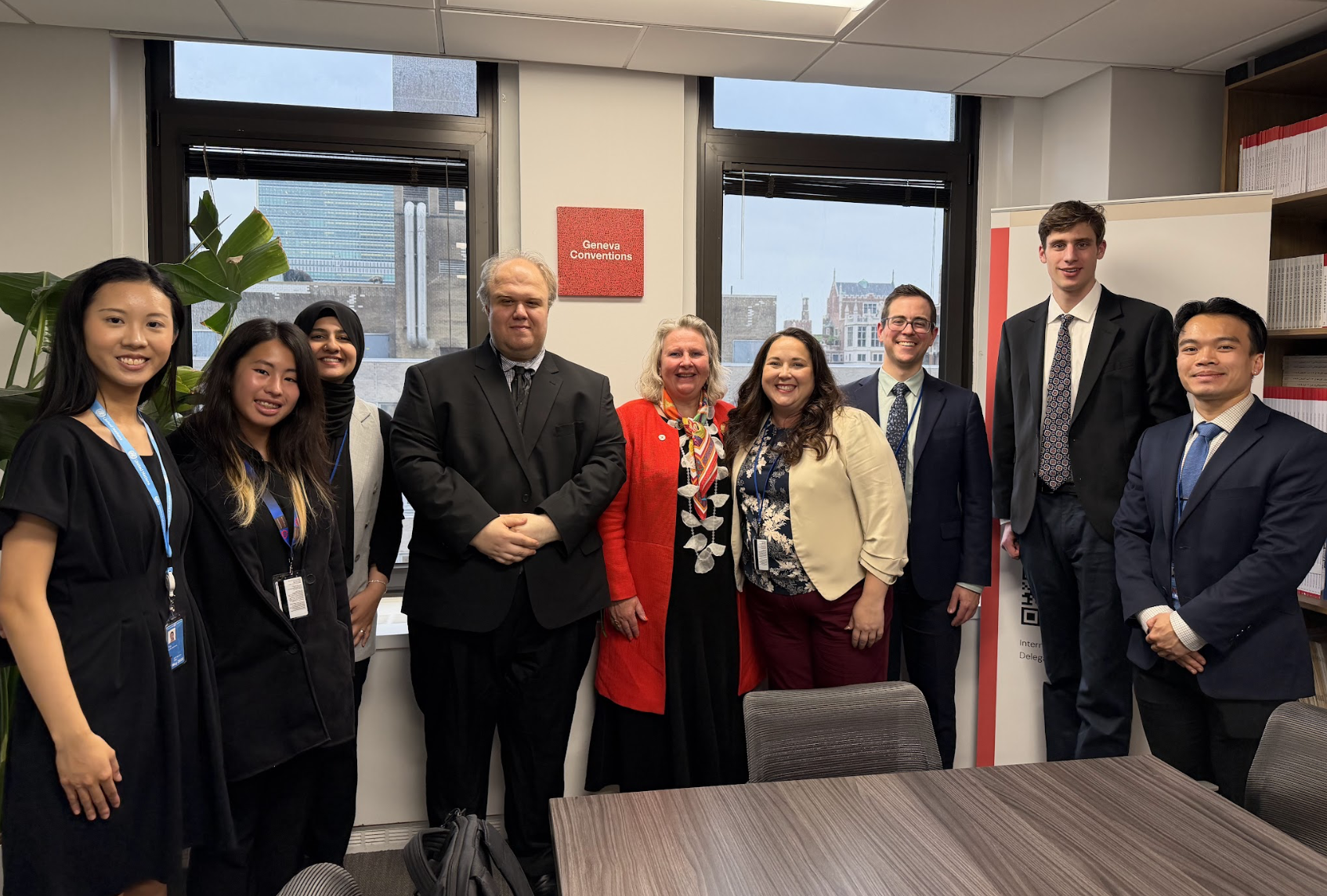
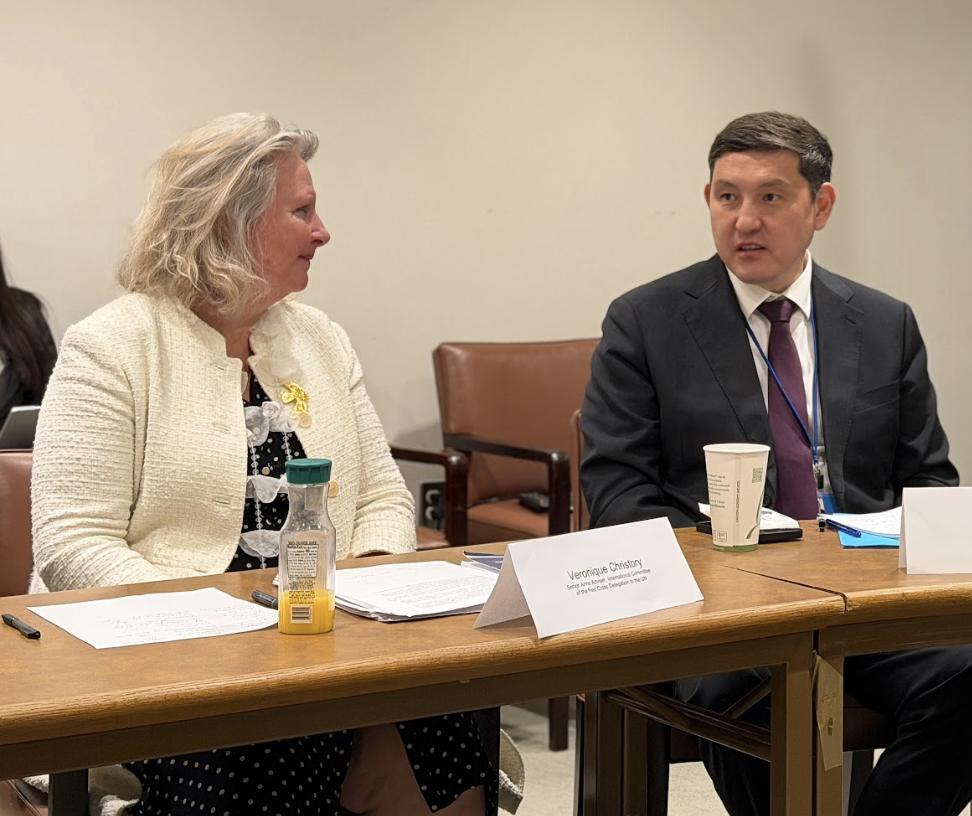
International Committee of the Red Cross Delegation
Meetings With Delegations
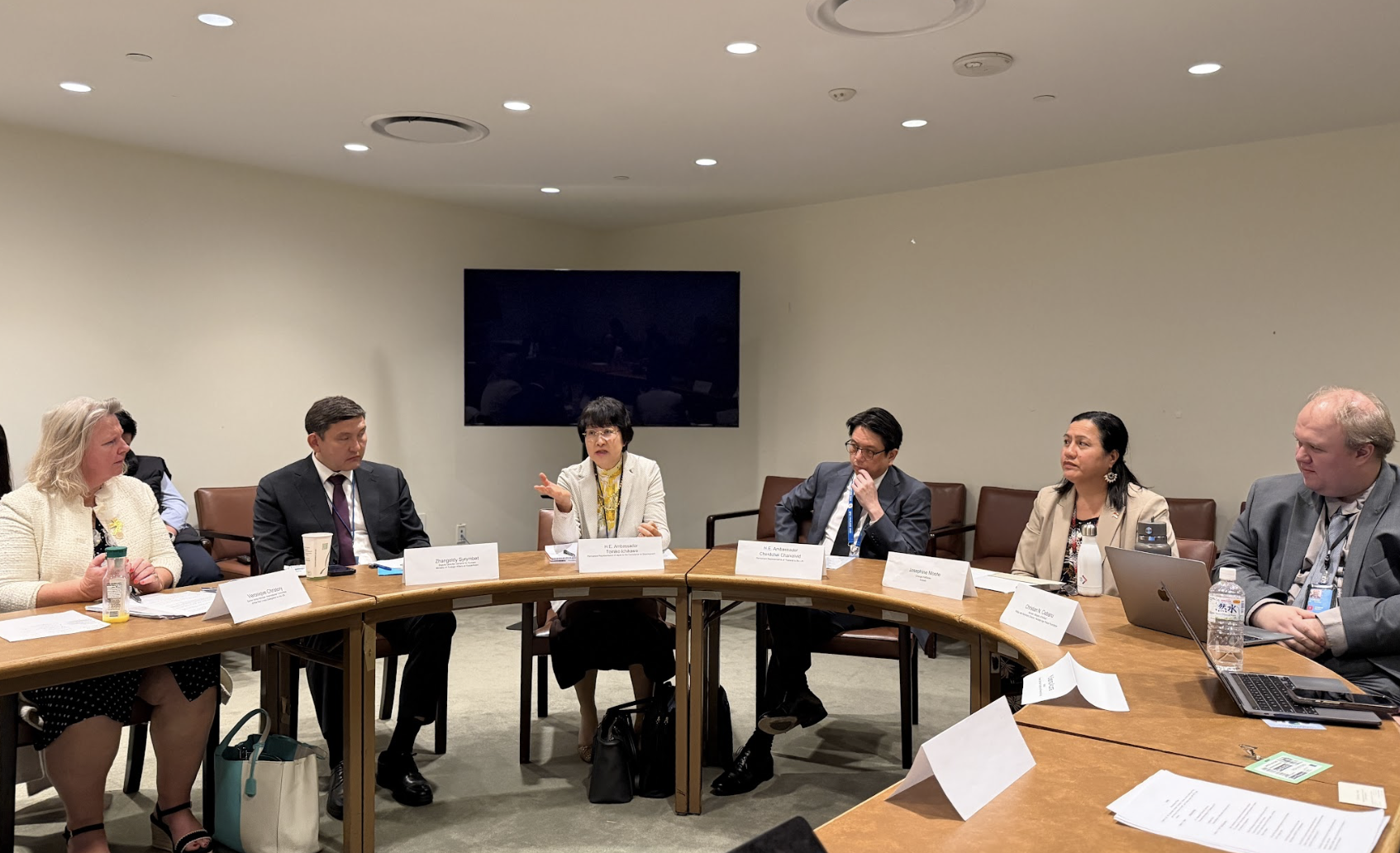
At the 2026 NPT Review Conference, our Youth Delegation had various opportunities to sit down and meet with various delegations who were present at the Conference.

Japanese Delegation

Mexican Delegation
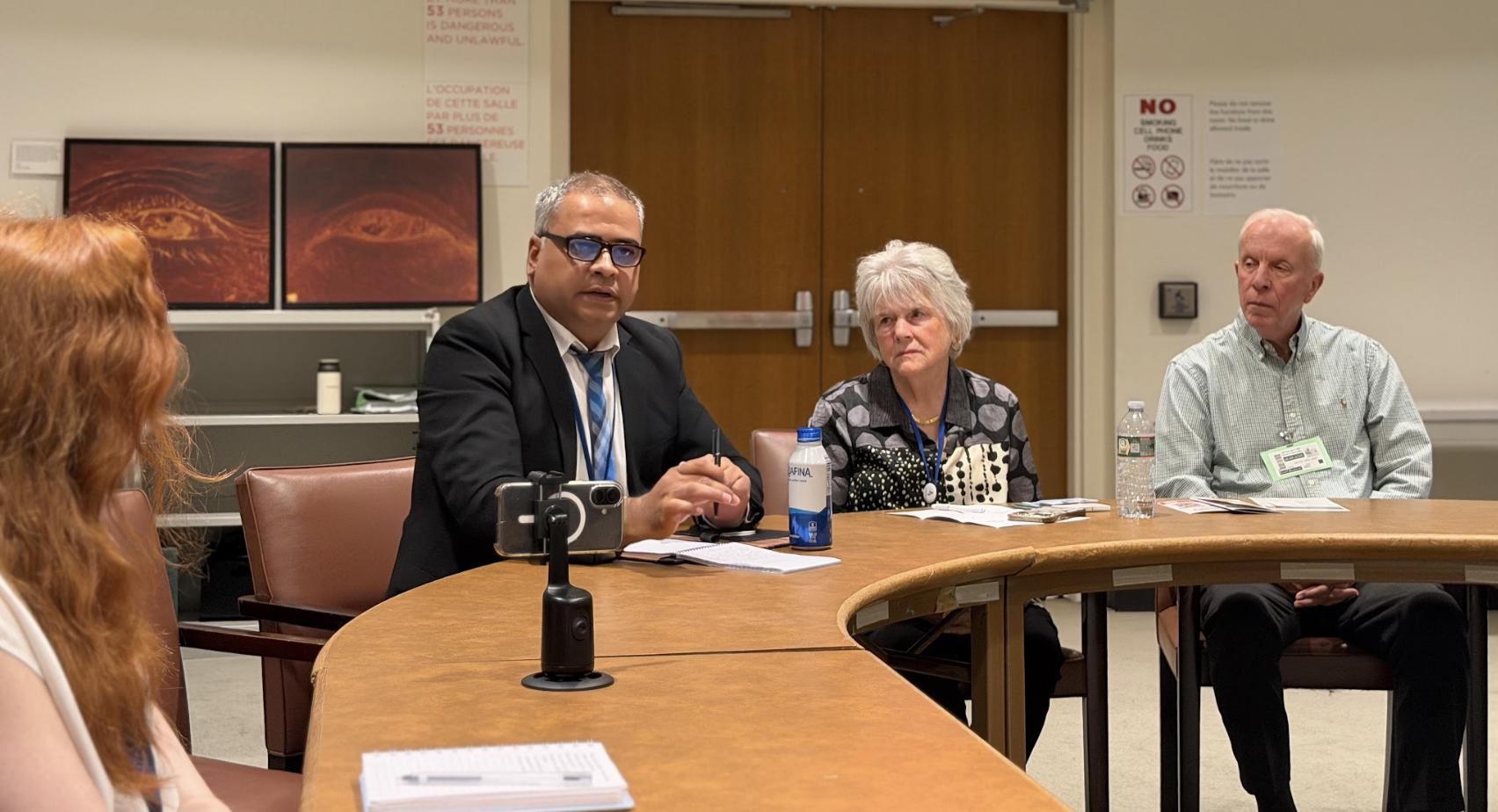
Youth Interview #1
Youth Interview #2
Youth Interview #3
Youth Interview #4
Youth Testimonials
Youth Testimonials
“Nuclear weapons are often discussed through strategy, deterrence, and security frameworks. Yet throughout the conference, the most powerful moments came from hearing directly from the people and communities who have lived with the consequences of nuclear weapons. Listening to Hibakusha share their testimonies on Hiroshima and Nagasaki was one of the most meaningful parts of the experience. Their stories carried the weight of memory, loss, survival, and responsibility.”

Isabella Planas
“Overall, I am very grateful for this experience. Amongst finals season, I had something to look forward to and an entire group of peers that I am still in touch with in one way or another. This field of work is quite literally essential to our existence, and I am just grateful to be a small part of it. I hope that the experiences gained here will help me to continue work in this field, and I am honored to be a part of this cohort.”

Hadia Choudhary
“There were certainly moments throughout the conference that instilled a sense of pessimism, reflective in the ultimate inability to find compromise and adopt a final consensus outcome document, however, looking back at the conference as a whole, a new sense of diplomatic optimism emerged. The dedication that delegates and civil society held for the sole purpose of creating a safer world for all through the disarmament of nuclear weapons radiated through the halls of the UN, felt by everyone involved.”

Anthony Dyjak
“I monitored plenary sessions, attended Main Committee discussions, and participated in a wide range of side events focused on nuclear disarmament, humanitarian consequences, nonproliferation, arms control, environmental justice, and international security. Listening directly to diplomats, UN officials, civil society representatives, experts, and affected communities provided a valuable look into how multilateral diplomacy functions in practice during one of the world’s most important nuclear policy forums.”