
Past Initiatives Focused on
The Treaty on the Prohibition of Nuclear Weapons (TPNW)
The Nuclear Age Peace Peace Foundation and its youth initiative, Reverse The Trend convened two significant programs at the both 2nd and 3rd Mettings of States Parties to the TPNW with several of its core partners. At both meetings, we sponsored international youth to advocate for nuclear justice initiatives. Below, you can learn more about our youth programs. We are incredibly grateful to our institutional funders and private individuals who made these programs possible.
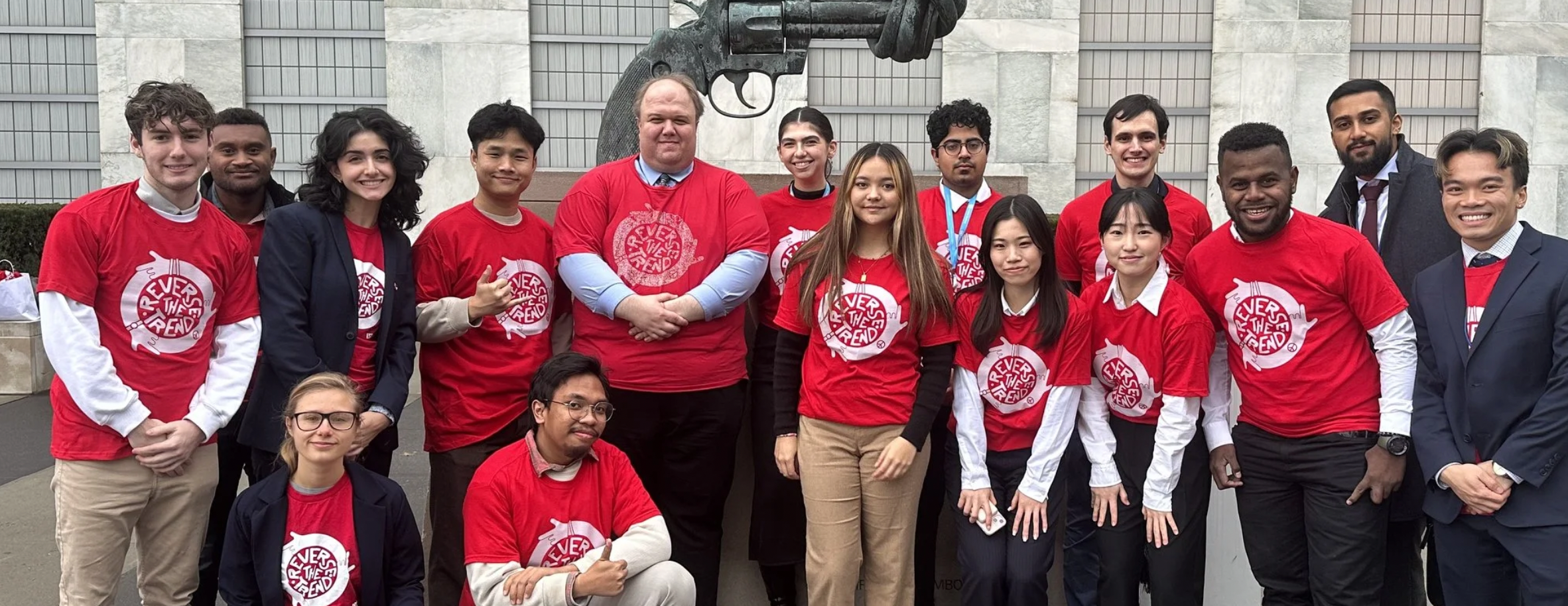
Read below about our 2MSP Youth Program
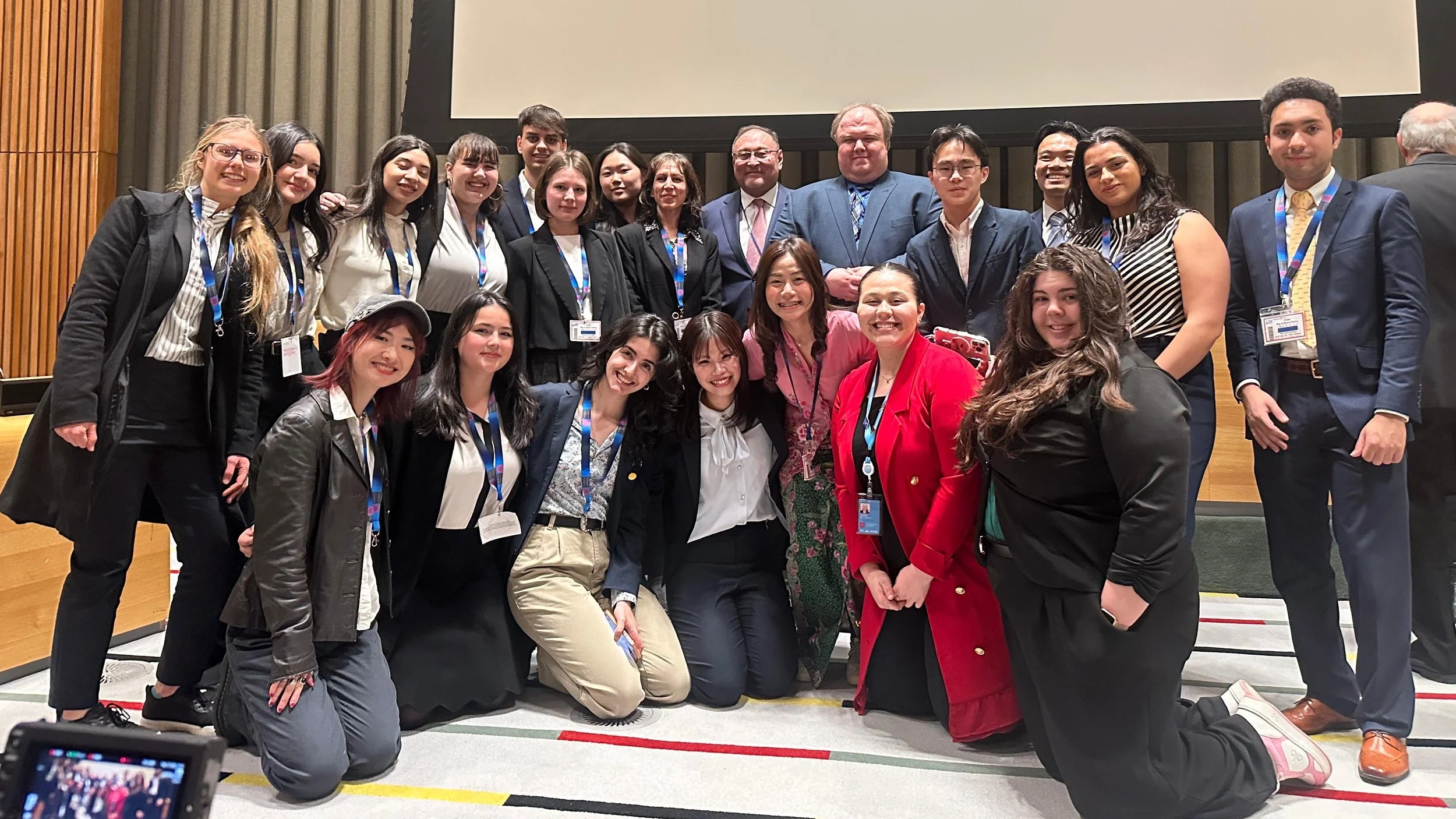
Read below about our 2MSP Youth Program
2nd Meeting of States Parties to the Treaty on the Prohibition of Nuclear Weapons
The Second Meeting of States Parties to the Treaty on the Prohibition of Nuclear Weapons (2MSP) was held from November 27 to December 1, 2023, at the United Nations Headquarters in New York.
The Nuclear Age Peace Foundation and its youth initiative, Reverse The Trend brought a large youth delegation, hosted an art exhibit, delivered statements, and organized side events throughout the week.
Kiribati Youth and RTT’s NAPF Project Coordinator at 2MSP
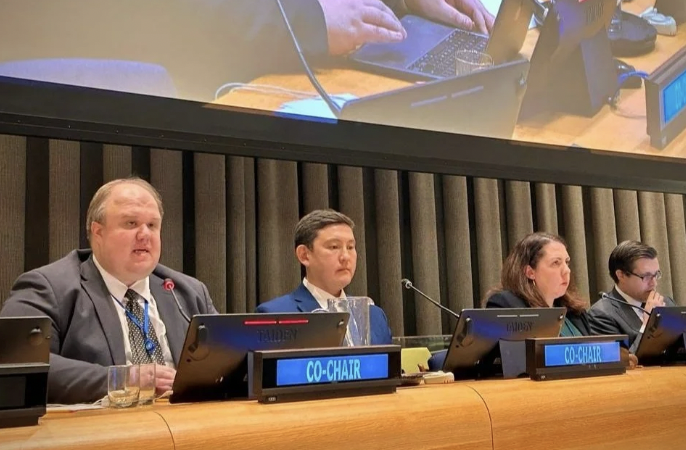
In collaboration with the Mission of Kiribati, our project coordinator and NAPF’s Policy and Advocacy Coordinator, Christian N. Ciobanu served as the co-chair of victim assistance, environmental remediation, international cooperation and assistance (Articles 6 and 7). He co-presented the report on Articles 6 and 7 with Kazakhstan.
As a result of close collaboration with the Mission, we helped to bring 5 young women from Kiritimati, Kiribati, the site of US and UK’s nuclear tests. At the 2MSP, they shared their personal experience with the nuclear legacy and their perspectives on nuclear justice.
NAPF’s RTT Youth Campaigners
Delivered Statements
We are committed to empowering young people and providing opportunities to express themselves at major UN conferences. It is our belief that diplomats should listen to the voices of young people because the current policies by the Nuclear Weapon States directly impact them.
During the 2MSP, Stella Dean Rose, NAPF intern and youth campaigner for RTT, and Brock Walker, a member of our delegation, delivered statements. Stella provided general exchanges and Brock focused his statement on Articles 6 and 7 on victim assistance.

Stella Dean Rose - General Exchange of Views
Brock Walker - Articles 6 and 7 on Victim Assistance, Environmental Remediation, International Cooperation and Assistance
On the First Day of the 2MSP, we convened the international youth orientation at the Mission of Ireland. H.E. Ambassador Fergal Mythen of Ireland delivered the keynote address. Additional speakers included: Veronique Christory of the ICRC; Soo Hyun-Kim of the UN Office for Disarmament Affairs; Benetick Kabua Maddison, the Executive Director of the Marshallese Educational Initiative; and Keita Takagaki, a youth representative of ICRC Japan. We were proud to host this training and orientation with Ireland for a second time. We would like to thank the Marshallese Educational Initiative and The Prospect Hill Foundation for co-sponsoring it. All photos were taken by Joseph Lovekin/Shutterstock 2023.
International Youth Orientation

(Left to Right) H.E. Ambassador Fergal Mythen of Ireland, Christian N. Ciobanu of NAPF/RTT, Benetick Kabua Maddison of MEI, Keita Takagaki of ICRC Japan, Veronique Christory of the ICRC, Seth Shelden of ICAN, and Soo Hyun Kim of UNODA
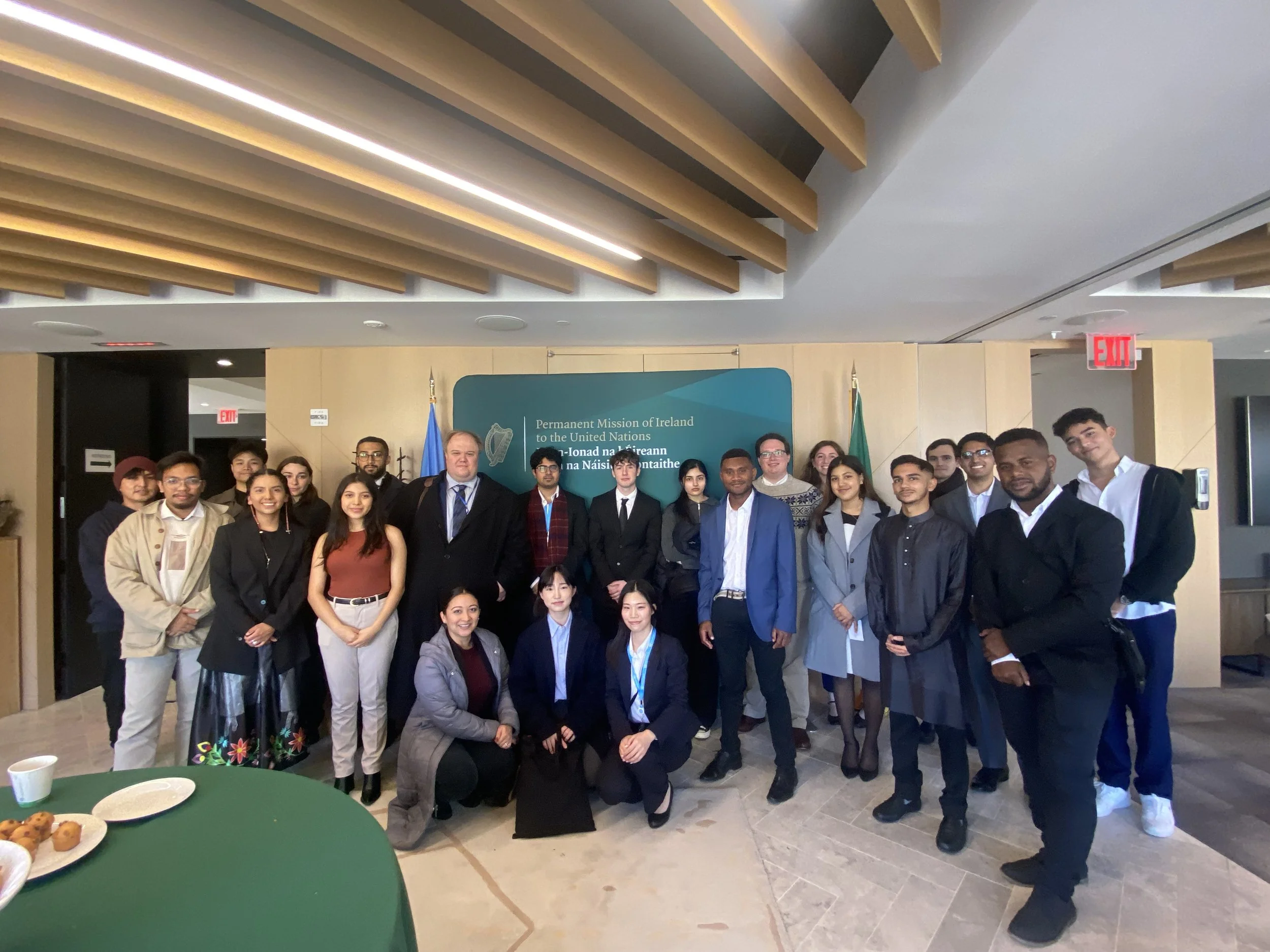
NAPF and RTT Participants at the Mission of Ireland

H..E. Ambassador Fergal Mythen of Ireland
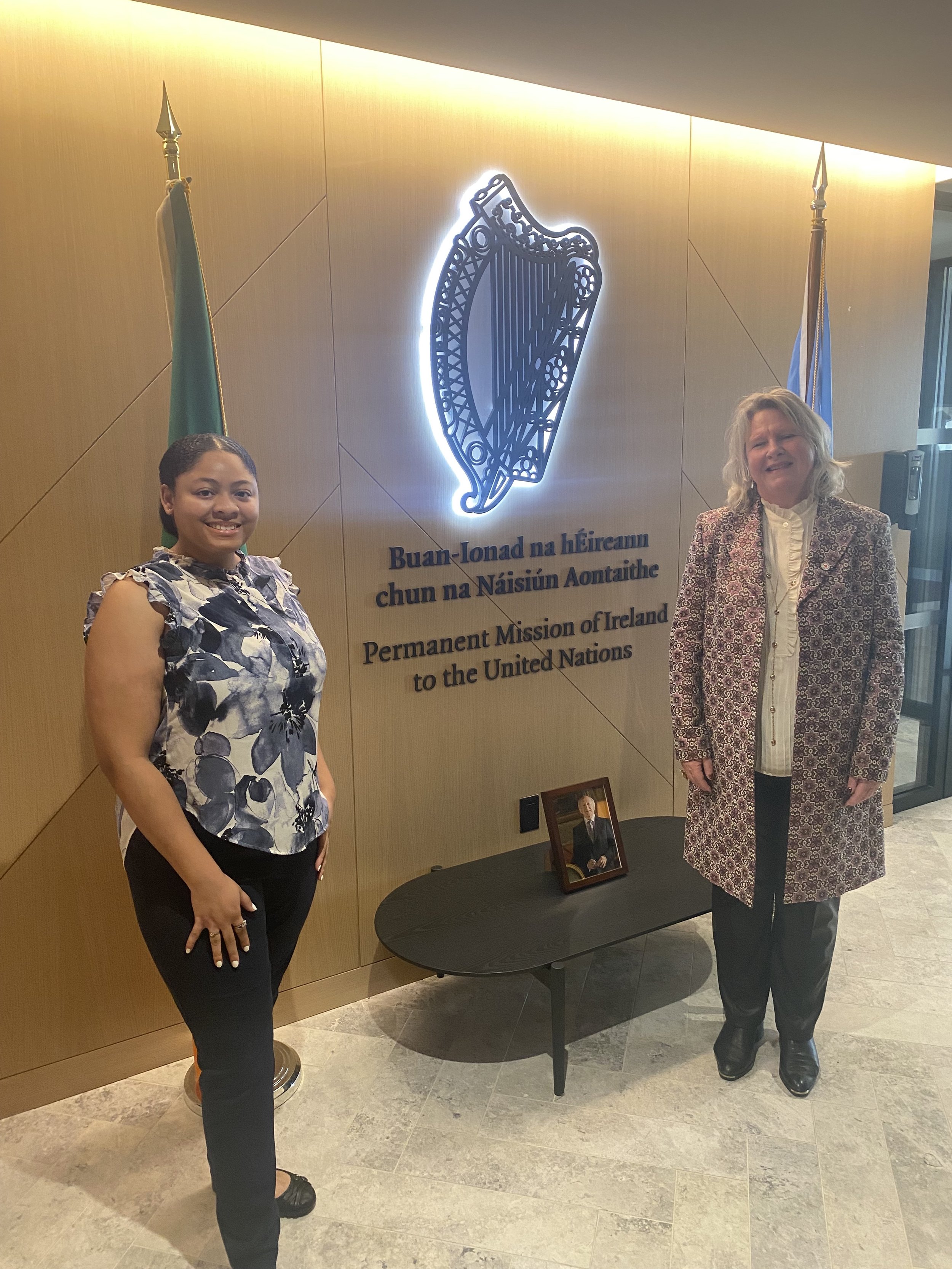
Ryan Rowe, RTT Social Media Coordinator and Veronique Christory, Senior Arms Adviser, ICRC

Benetick Kabua Maddison, Executive Director of MEI and RTT

Benetick Kabua Maddison, MEI and Keita Takagaki, ICRC Japan
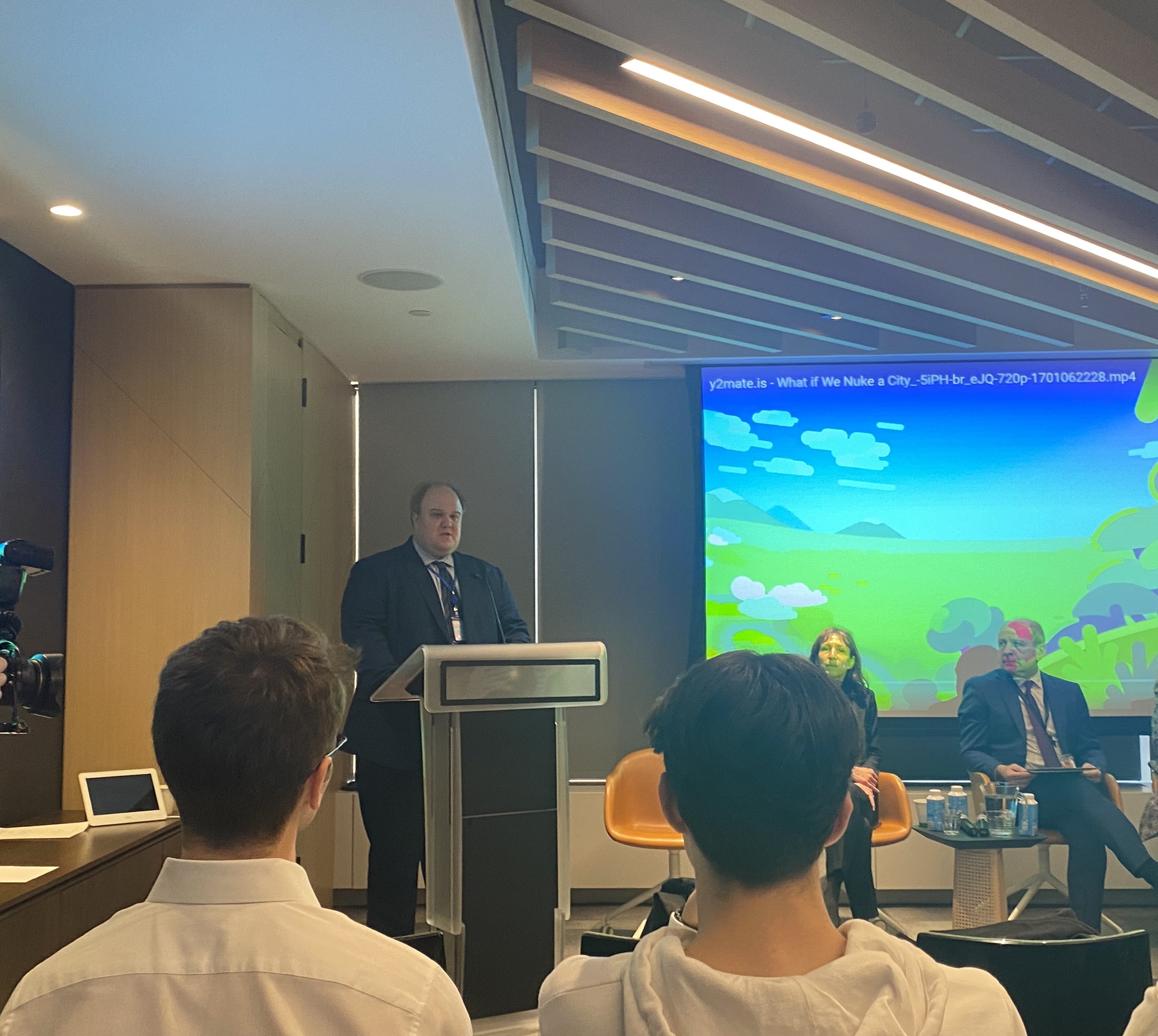
Christian Ciobanu, Policy and Advocacy Coordinator, NAPF and Project Coordinator, RTT

Youth listening intently to the presentations
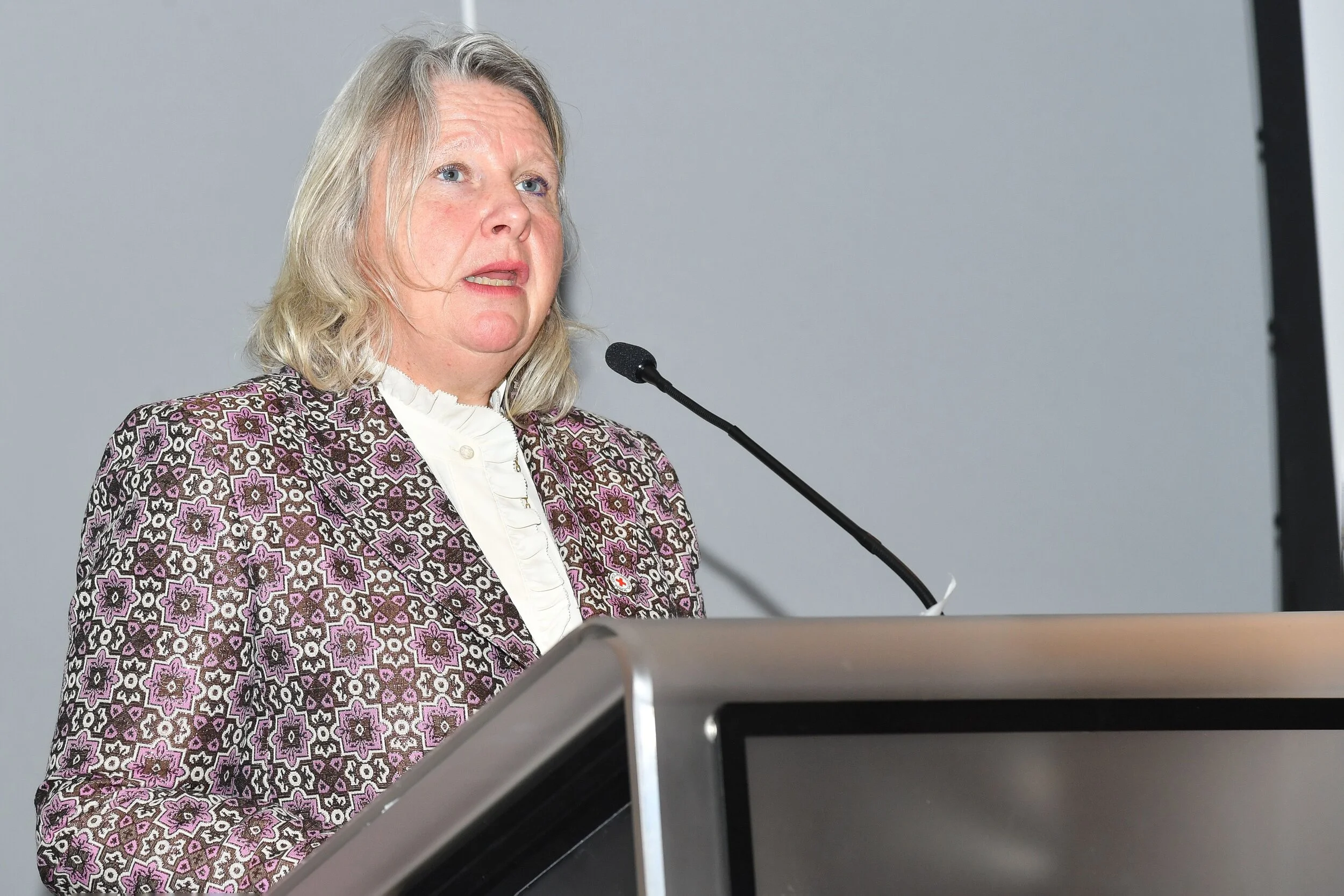
Veronqiue Christory, Senior Arms Adviser, ICRC

Keita Takagaki, ICRC Japan
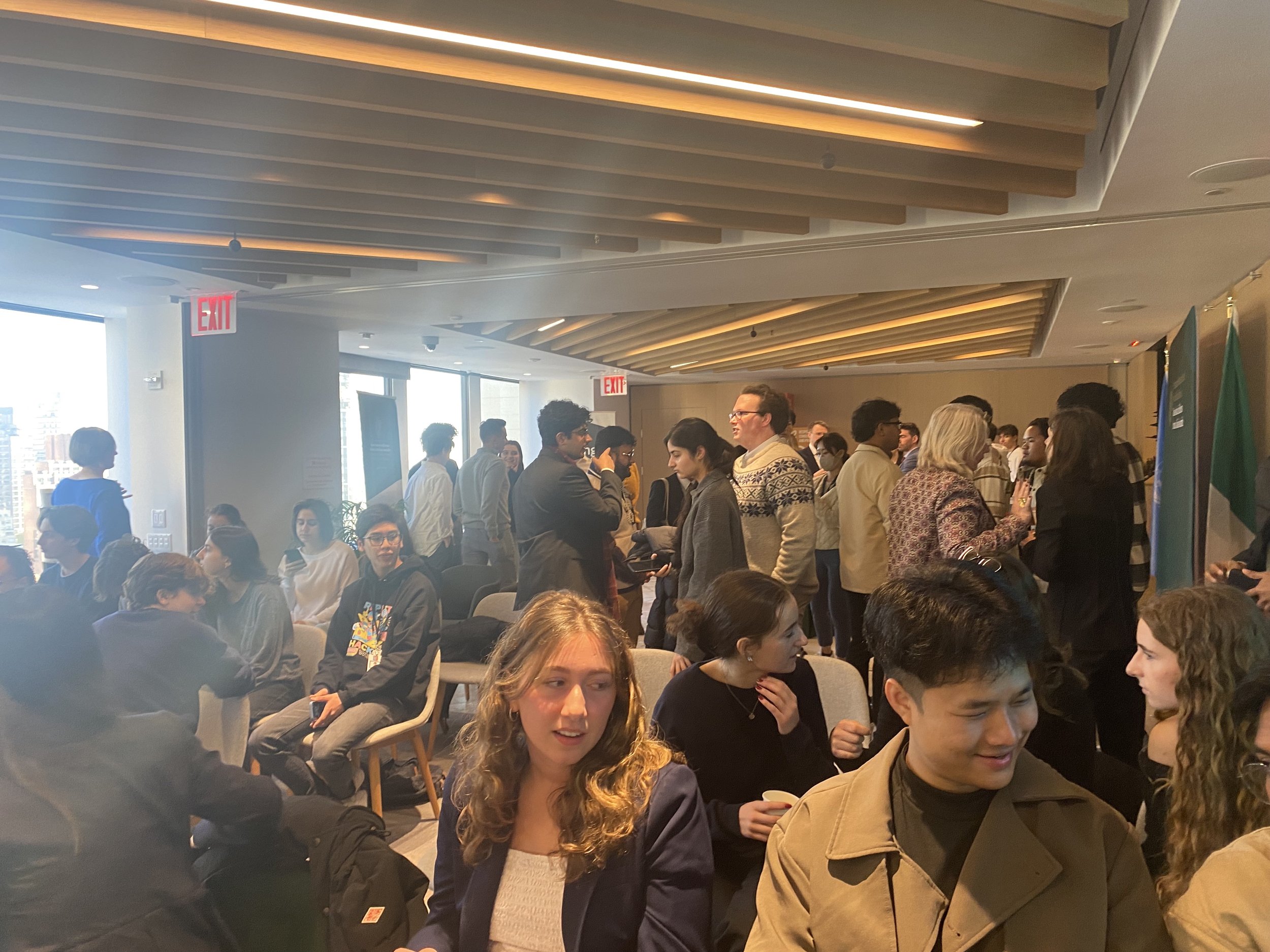
Youth Engaging with one another

Soo Hyun Kim, Youth4Disarmament Lead, UNODA
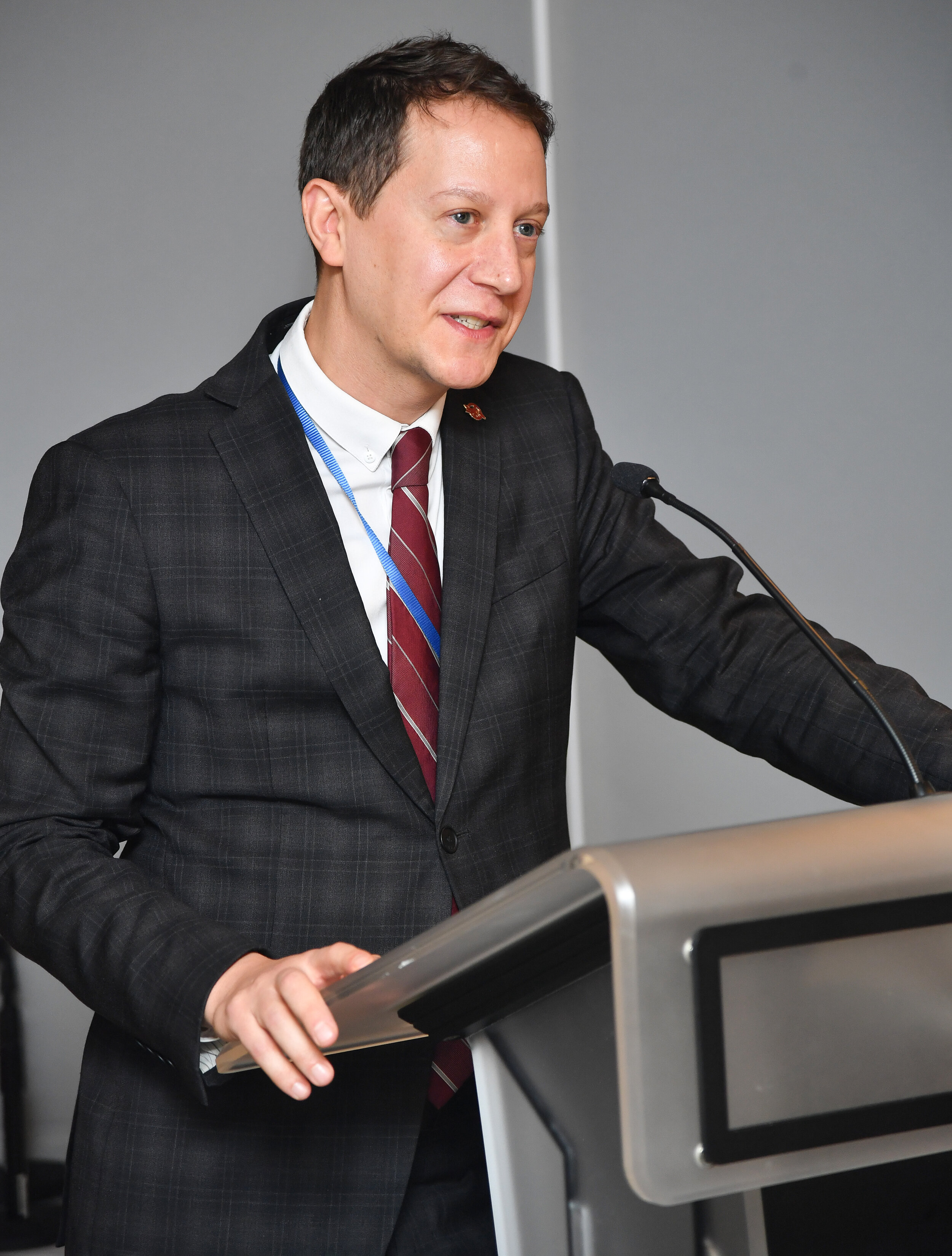
Seth Shelden, UN Liasion, ICAN

Youth Participant poses in front of camera
Official Side Events to the 2MSP
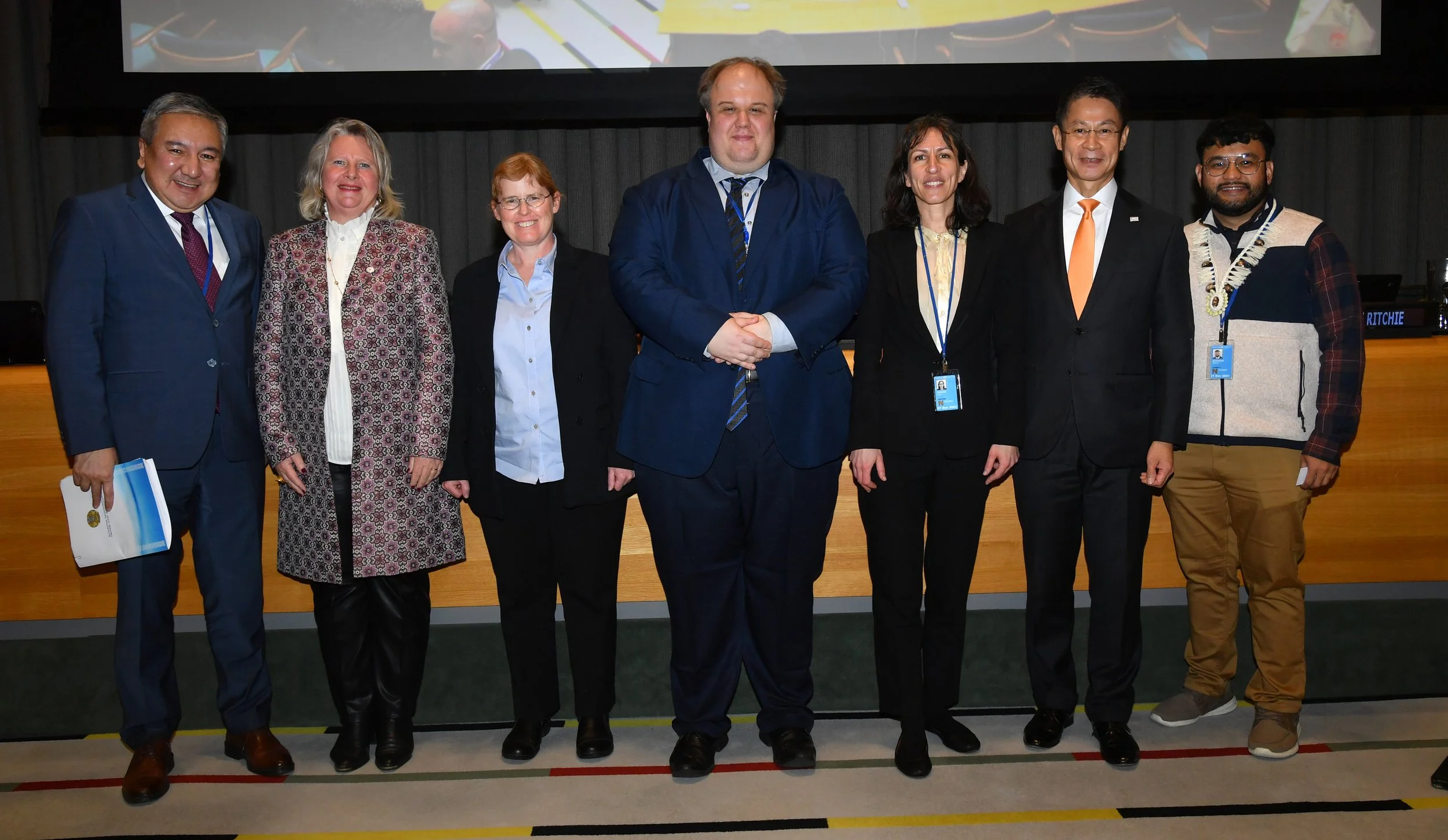
We hosted three official events to the 2MSP, including the Positive Obligations of the Treaty on the Prohibitions of Nucler Weapons, ASEAN Regional Perspectives on the TPNW, and From Hiroshima to the Pacific.
Positive Obligations of the Treaty on the Prohibition of Nuclear Weapons
On Monday, 27 November, Kiribati, Kazakhstan, Prefecture of Hiroshima, Nuclear Age Peace Foundation, Reverse The Trend: Save Our People, Save Our Planet, Marshallese Educational Initiative, and Rotary Action Group for Peace: Nuclear Weapons Education Committee hosted an important side event on the humanitarian provisions contained in Articles 6 and 7.
Kiribati and Kazakhstan serve as the Co-Chairs of the Working Group on Victim Assistance, Environmental Remediation, International Cooperation and Assistance.
High-level representatives from both states, plus Governor Hidehiko Yuzaki of Hiroshima; Bonnie Docherty, Director of the Armed Conflict and Civilian Protection Initiative, Lecturer on Law at Harvard Law School’s International Human Rights Clinic; Benetick Kabua Maddison, Executive Director, Marshallese Educational Initiative; Dr. Ivana Nikolic Hughes, Member of the Scientific Advisory Group to the TPNW and President of the Nuclear Age Peace Foundation; and Veronique Christory, Senior Arms Adviser, ICRC Delegation to the UN.
(Left to Right) Director of the Department of International Security of the MFA of Kazakhstan Mr. Arman Baissuanov; Veronique Christory, Senior Arms Adviser, ICRC; Bonnie Docherty, Director, Arms Conflict and Civilian Protection Initiative at Harvard Law School; Christian N. Ciobanu, Policy and Advocacy Coordinator, NAPF and Project Coordinator, RTT; Dr. Ivana Nikolic Hughes of NAPF; Governor Hidehiko Yuzaki of Hiroshima; and Benetick Kabua Maddison, Executive Director, Marshallese Educational Initiative and RTT Adviser
Photo Credit: Stephen Lovekin/Shutterstock, 2023

H.E. Ambassador Teburoro Tito of Kiribati

Christian N. Ciobanu, NAPF/RTT

Mr. Arman Baissuanov, Kazakhstan

Dr. Ivana Nikolic Hughes, NAPF
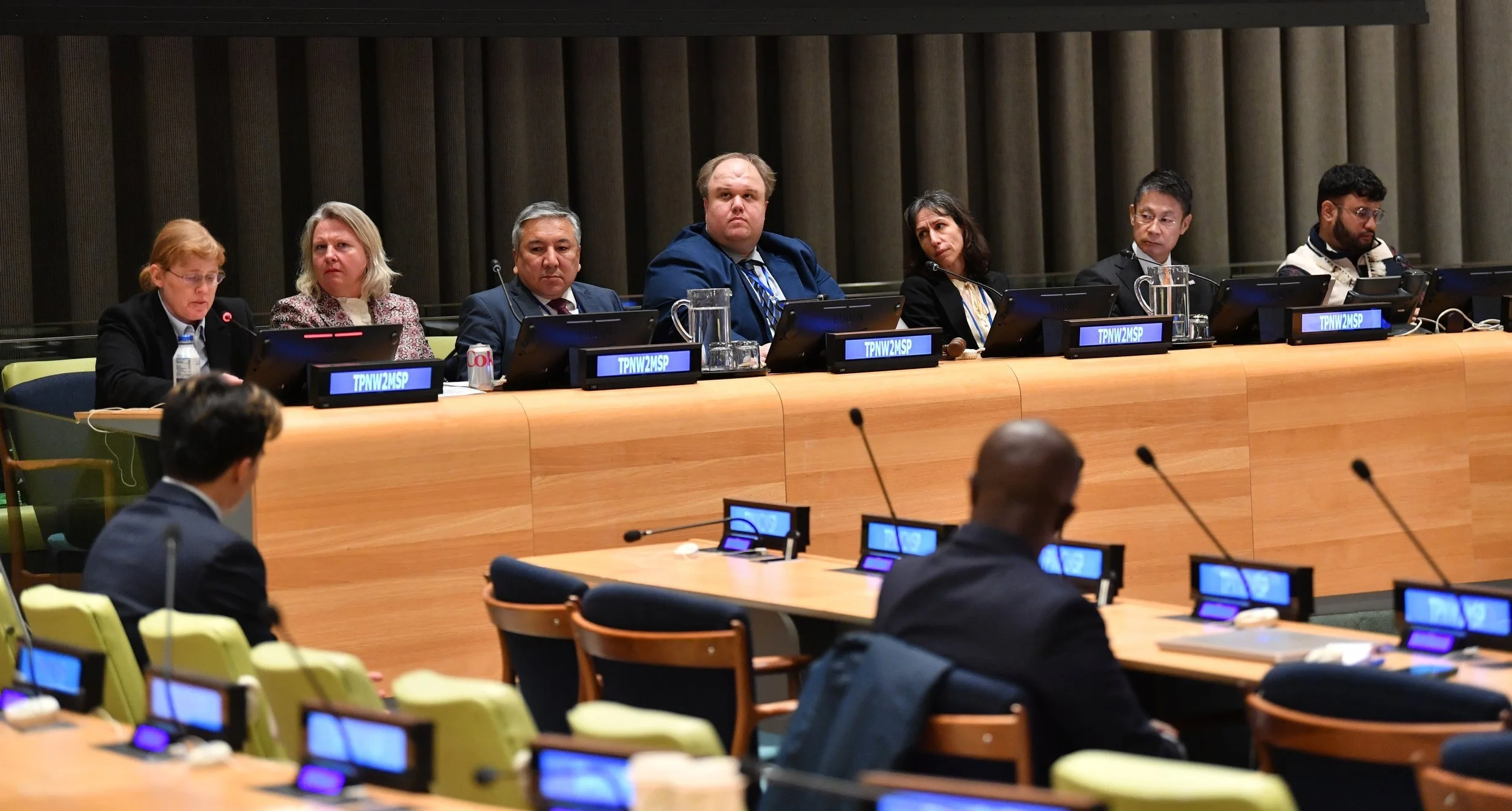
Panelists
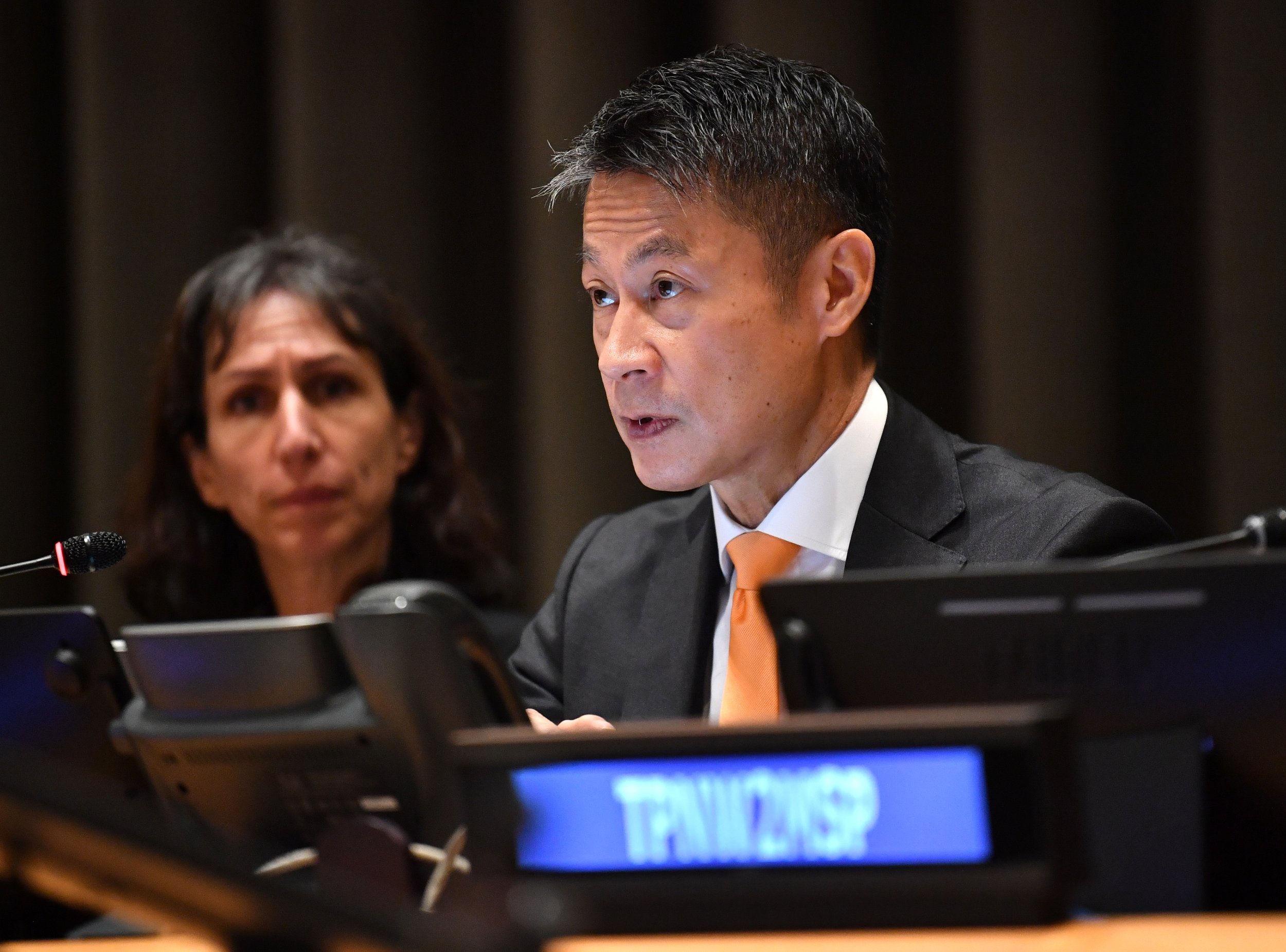
Governor Hidehiko Yuzaki of Hiroshima
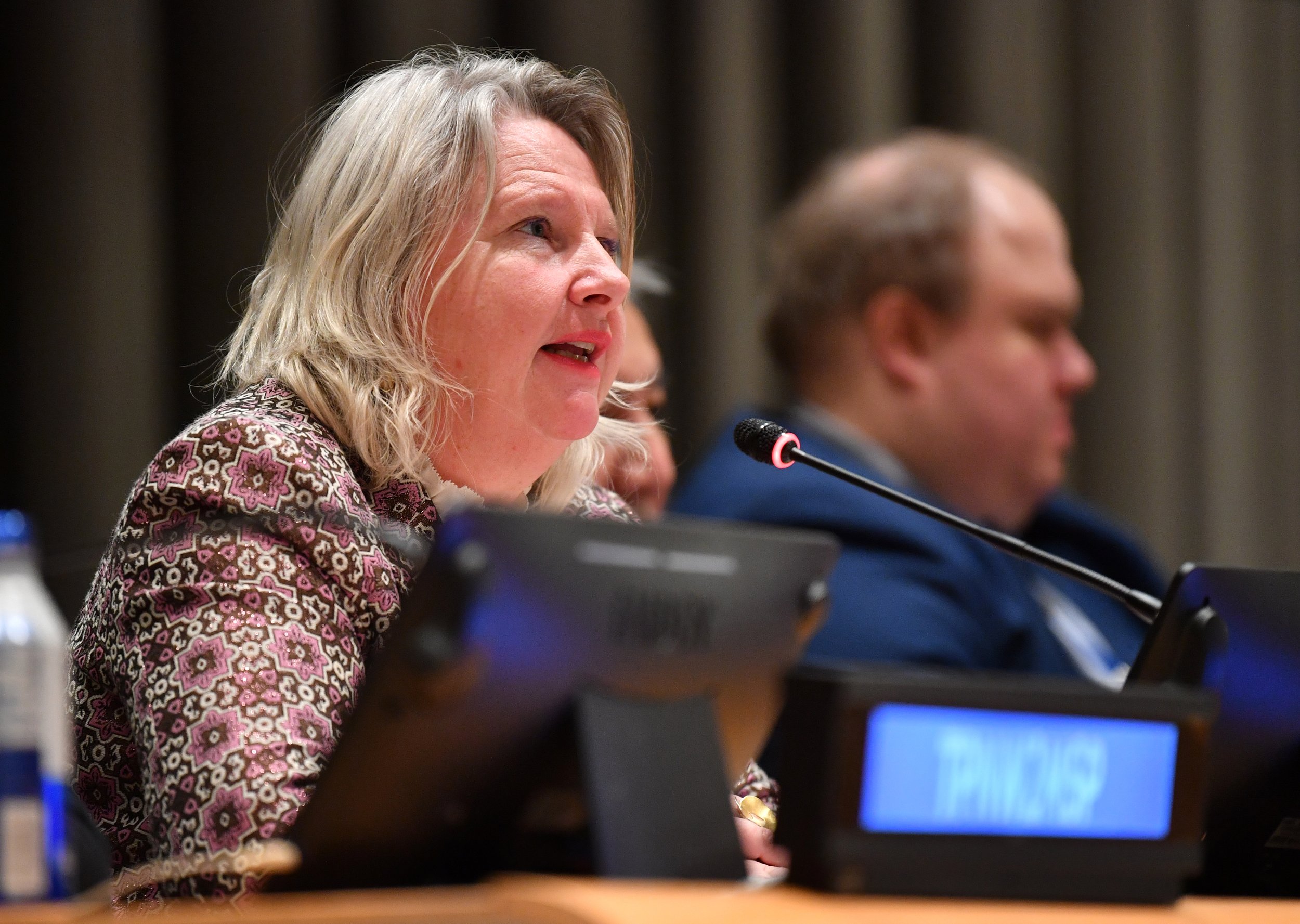
Veronique Christory, ICRC

Benetick Kabua Maddison, MEI

Bonnie Docherty, Harvard Law School
ASEAN Perspectives on the TPNW
On 15 December 1995, ASEAN Member States signed the Southeast Asian Nuclear Weapon-Free Zone Treaty (SEANWFZ Treaty) as a commitment to preserve the Southeast Asian region as a region free of nuclear and other weapons of mass destruction. The region’s history demonstrates that far more can be gained through cooperation than through conflict. As a result, it is imperative that the ASEAN region unite around the Treaty on the Prohibition of Nuclear Weapons (TPNW), which complements the Nuclear Non-Proliferation Treaty by closing the missing legal gap.
On Tuesday, 28 November, the Mission of Thailand, Nuclear Age Peace Foundation and its youth initiative, Reverse The Trend hosted a side event on ASEAN Perspectives on the TPNW. Speakers included: Vowpailin Chovichien, Counsellor, Peace, Security, and Disarmament Division, Department of International Organizations, Ministry of Foreign Affairs of Thailand; Shivanand Sivamohan, Second Secretary, Permanent Mission of Malaysia to the United Nations, Dr. Muhadi Sugiono, Lecturer at the Institute of International Studies of the Universitas Gadjah Mada; Muhammad Amir Ruzain Bin Abu Bakar, a Youth Coordinator for Reverse the Trend, ASEAN Chapter; Rungrot Tatiyawongwiwat Youth Coordinator for Reverse the Trend, ASEAN Chapter shared their perspectives on the TPNW. Ibraheem Waraich of NAPF/RTT moderated the event.

(Center Left to Right) Dr. Muhadi Sugiono of the Universitas Gadjah Mada, Vowpailin of Thailand, Ibraheem Waraich of NAPF/RTT, Amir Ruzain Bin Abu Bakar and Rungrot (Bond) Tatiyawongwiwat of RTT Southeast Asia

Dr.Muhadi Sugiono of the Universitas Gadjah Mada and Vowpailin Chovichien of Thailand listen to the other presenters
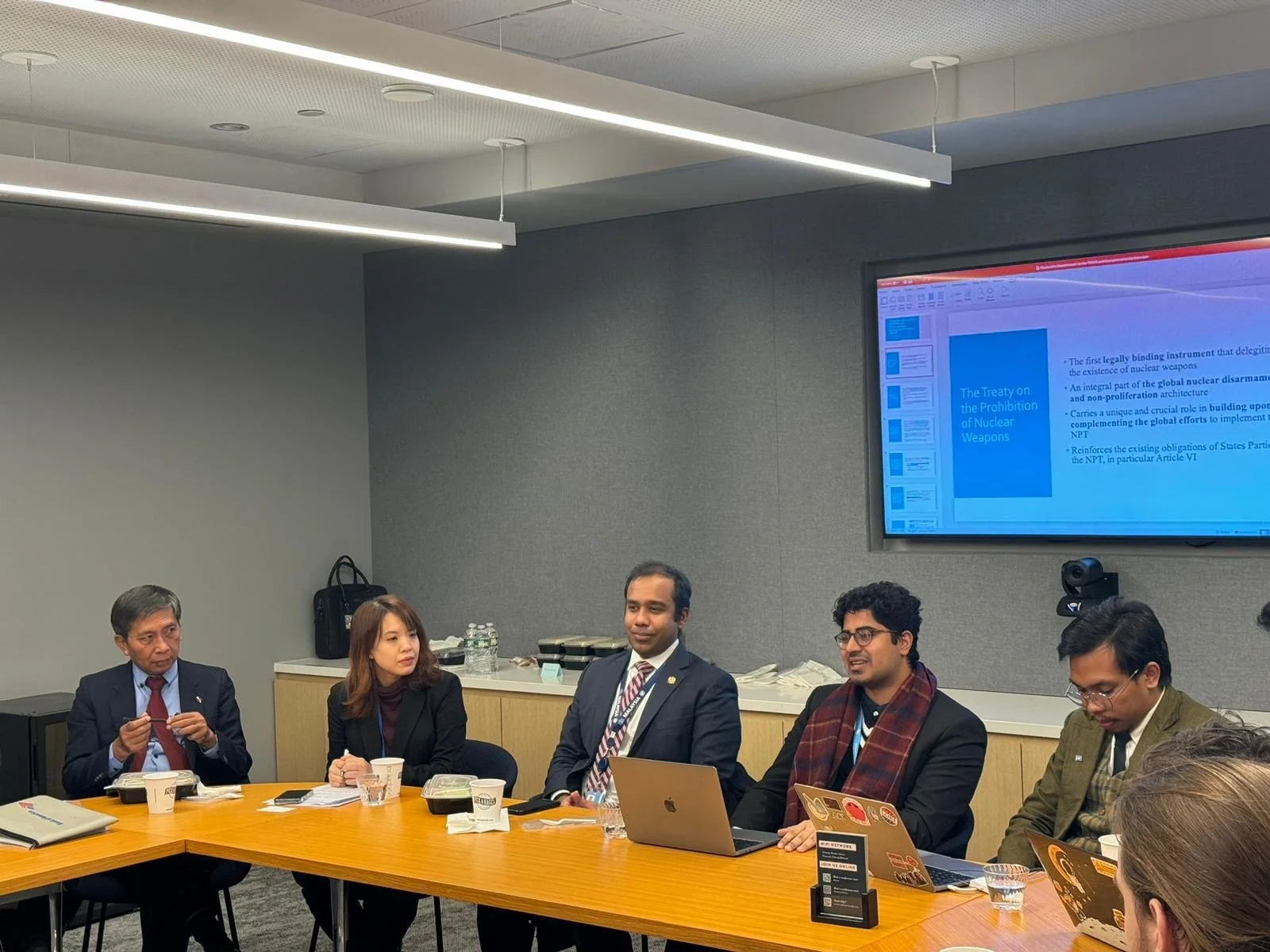
Ibraheem Waraich of RTT delivers his remarks
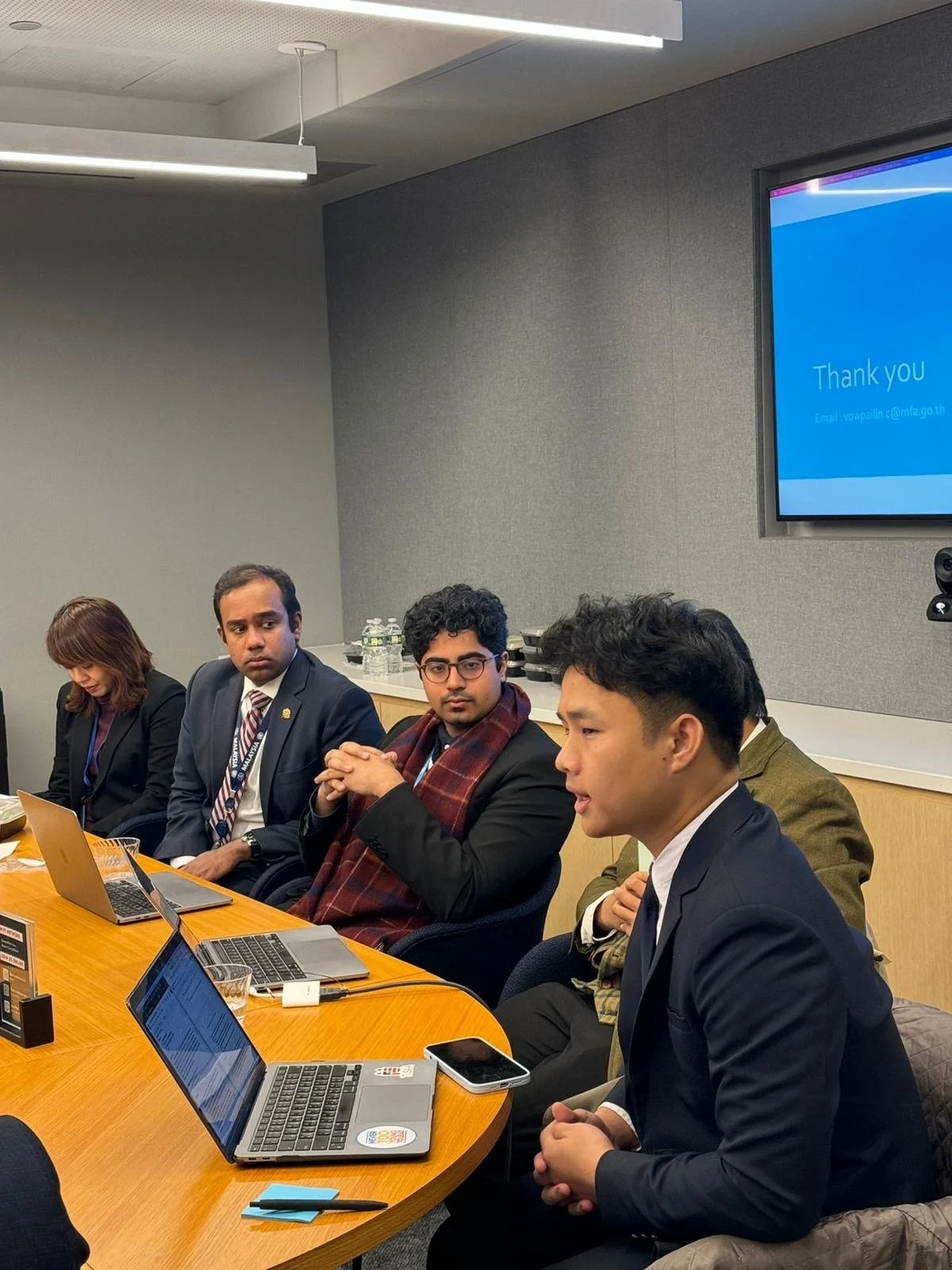
Rungrot (Bond) Tatiyawongwiwat of RTT SESA shares his perspectives
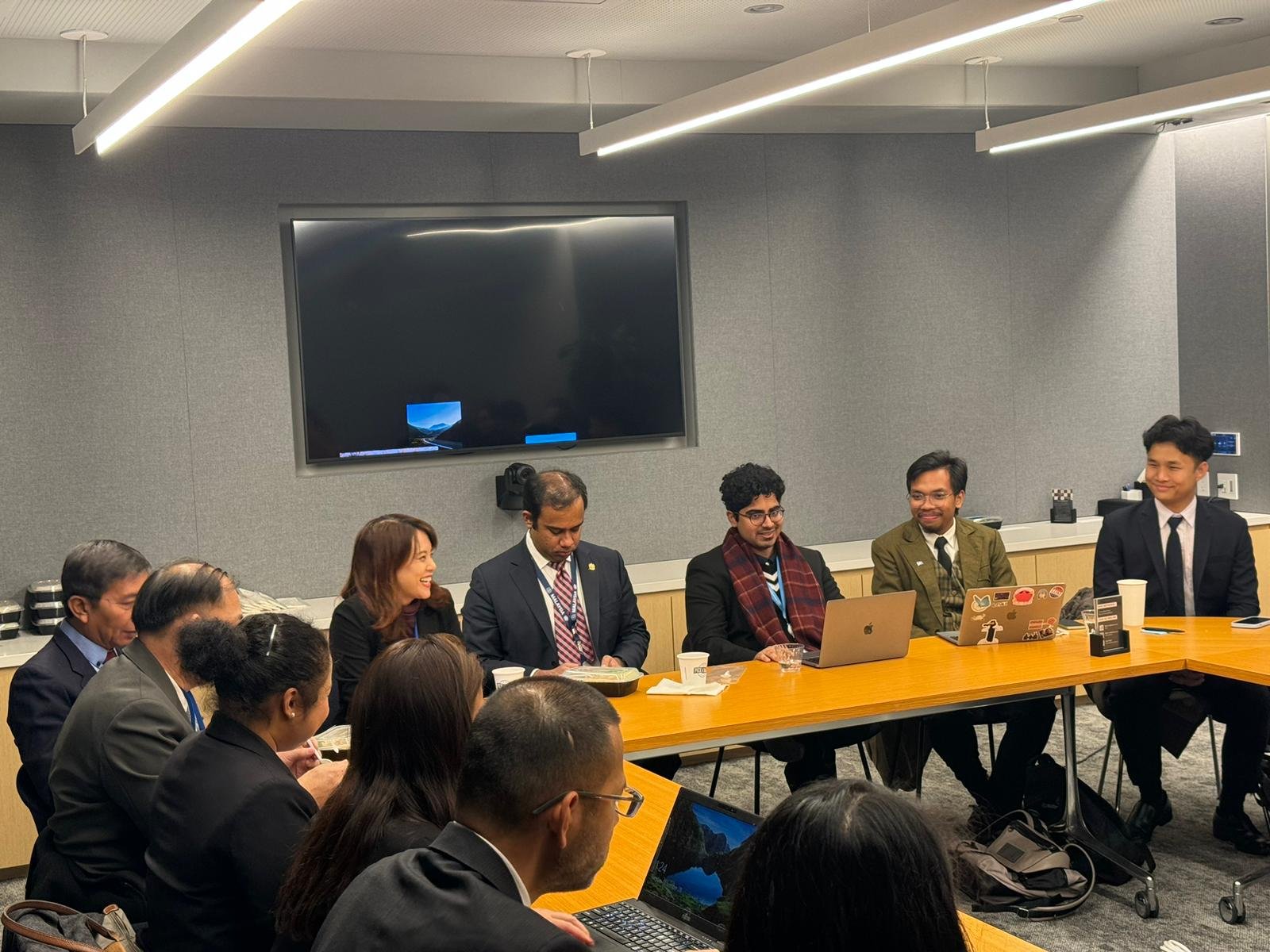
Ms Vowpailin Chovichien of Thailand shares her state's views
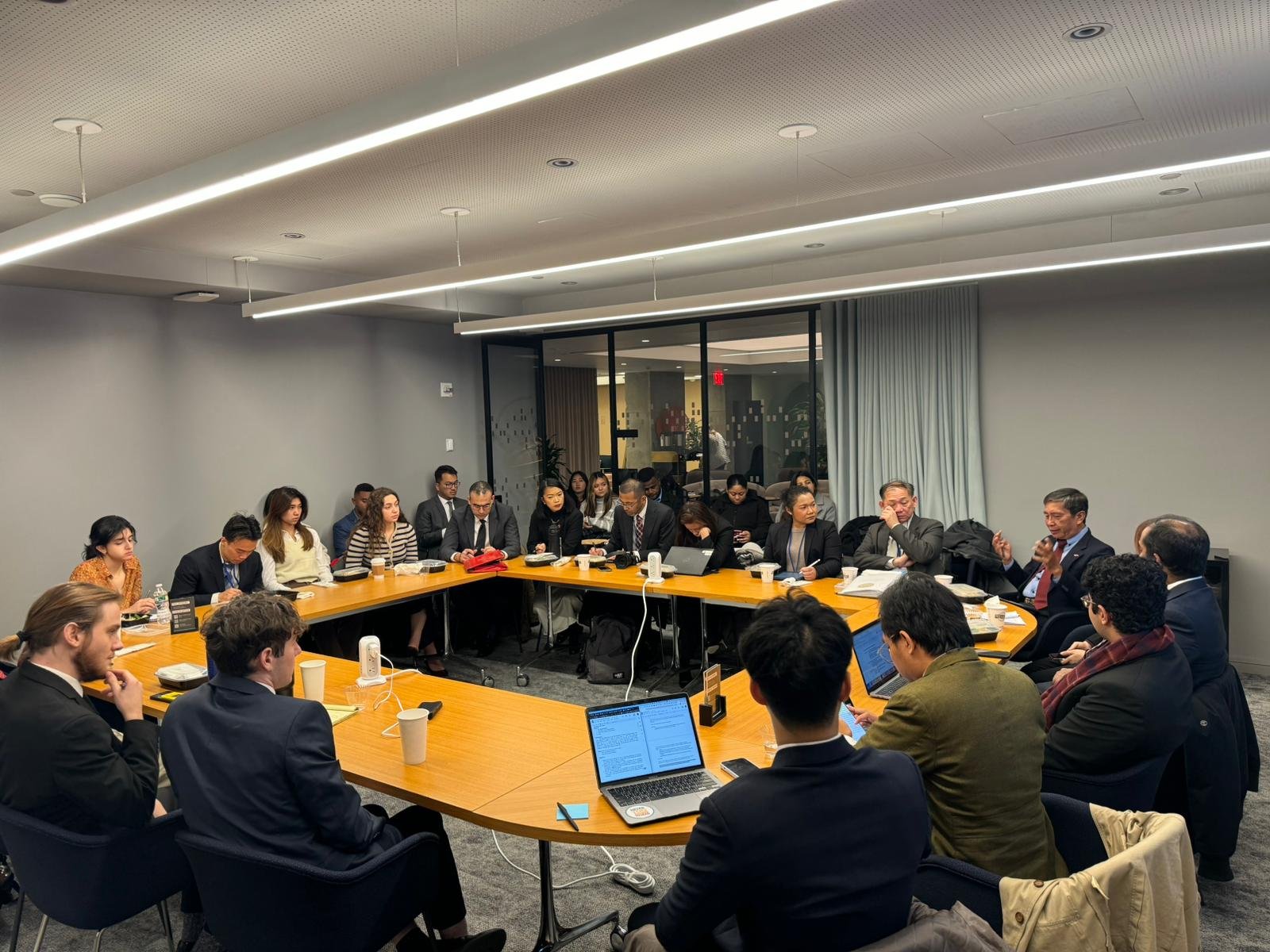
Dr. Muhadi Sugiano of the Universitas Gadjah Mada shares his perspectives

Participant presents his questions

Rungrot (Bond) Tatiyawongwiwat of RTT SESA shares his perspectives
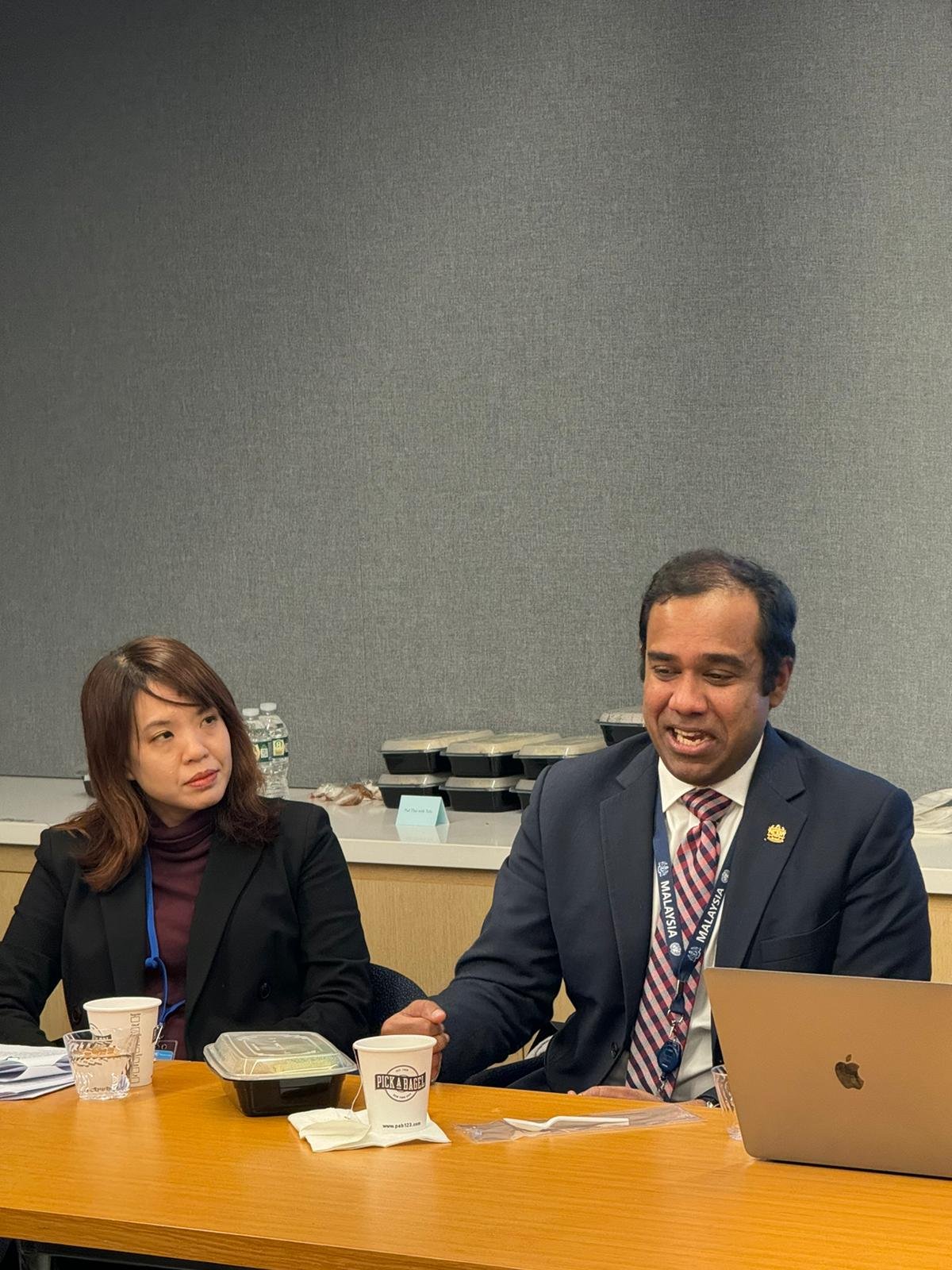
Ms Vowpailin Chovichien of Thailand and Mr. Shivanand Sivamohan of Malaysia
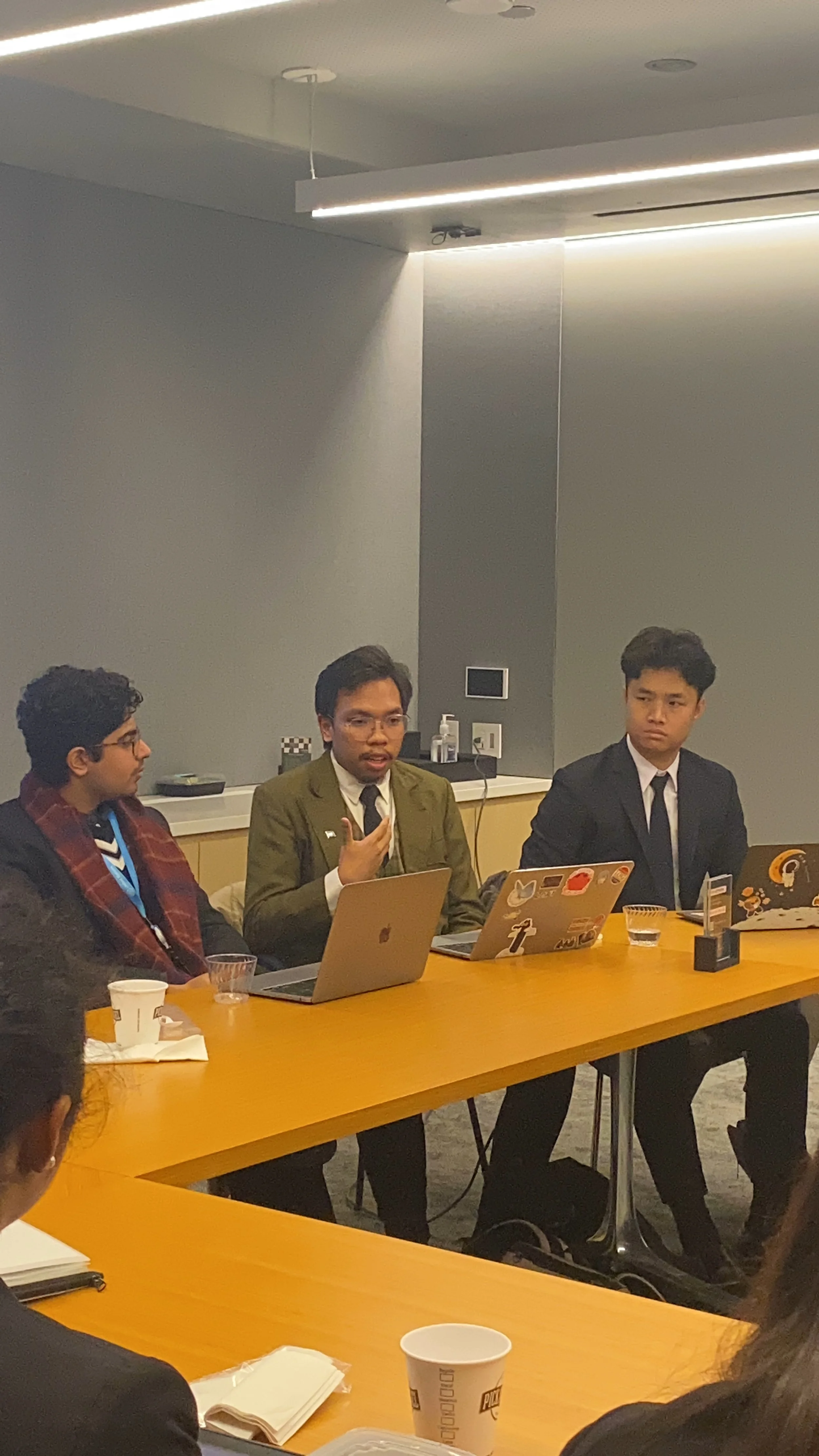
Muhammad Amir Ruzain bin Abu Bakar of RTT SESA shares his perspectives
From Hiroshima to the Pacific

(Center Left to Right):
Asuka Oka, RTT Activist; Keita Takagaki, ICRC Japan Youth; Maverick Peter Seda, Youth Coordinator for RTT Pacific, Benetick Kabua Maddison, Executive Director, Marshallese Educational Initiative and RTT Adviser; Christian N. Ciobanu, Policy and Advocacy Coordinator, NAPF and RTT Project Coordinator; Tinabora Ioane, Youth Delegate from Kiritimati; and Dr. Becky Alexis Martin, Lecturer of Peace and International Development, University of Bradford
On Thursday, 30 November, the Mission of Kiribati, Nuclear Age Peace Foundation, Reverse The Trend: Save Our People, Save Our Planet, Marshallese Educational Initiative, and The Prospect Hill Foundation convened a significant event entitled From Hiroshima to the Pacific.
Speakers included: Keita Takagaki, ICRC Japan Youth; Asuka Oka, RTT Activist; Dr. Becky Alexis Martin, Lecturer of Peace and International Development, University of Bradford; Tinabora Ionae, Youth Delegate from Kiritimati; Benetick Kabua Maddison, Executive Director, Marshallese Educational Initiative, and Maverick Peter Seda, Youth Coordinator, Reverse The Trend Pacific. H.E. Ambassador Teburoro Tito of Kiribati chaired the panel. Christian N. Ciobanu, Policy and Advocacy Coordinator of NAPF and RTT Project Coordinator; and Stella Dean Rose, NAPF intern and RTT youth campaigner co-moderated the event.
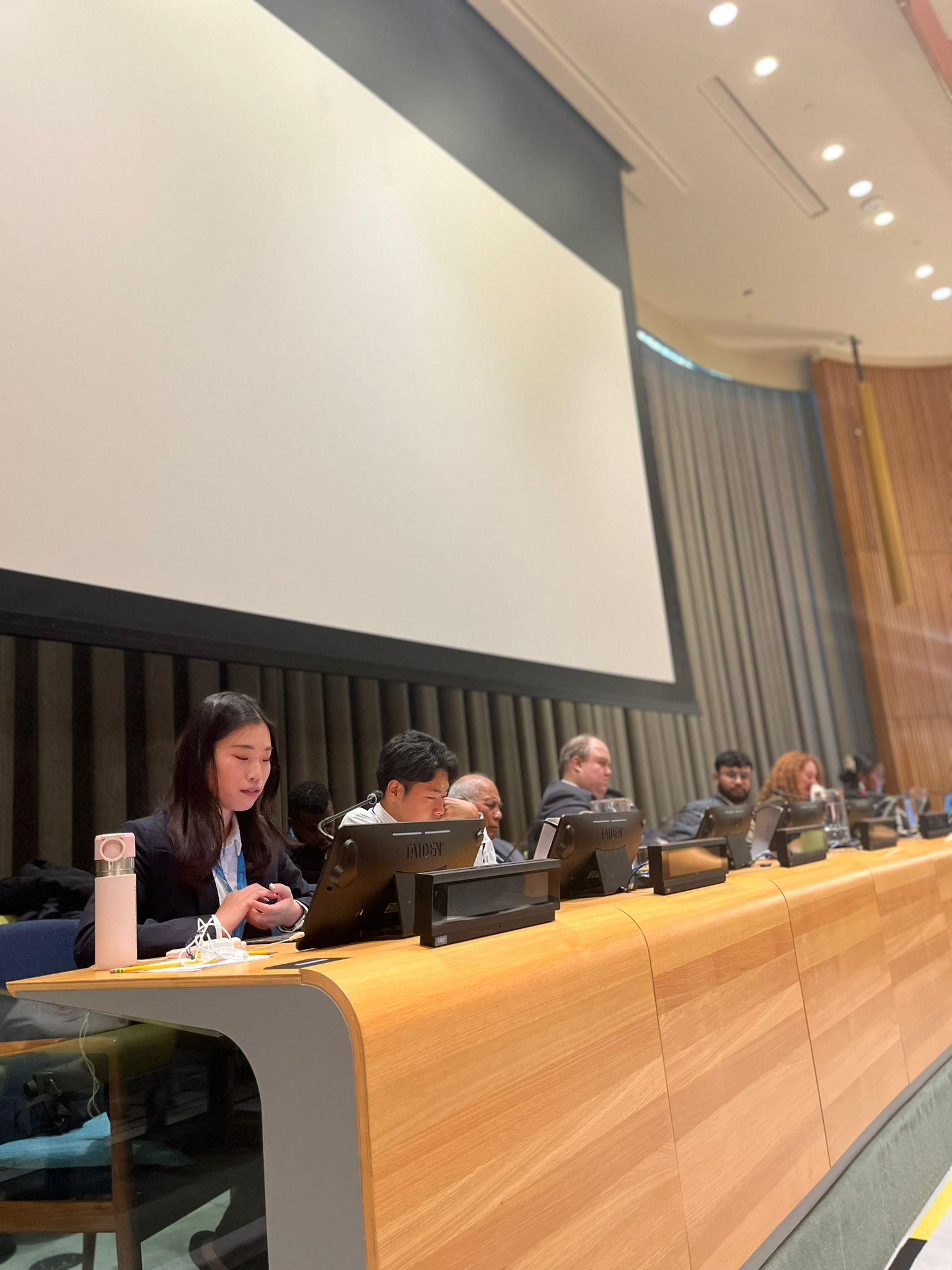
Asuka Oka presents her perspectives on Hiroshima

Panelists listen to Benetick Kabua Maddison's presentation

Keita Takagaki delivers his statement
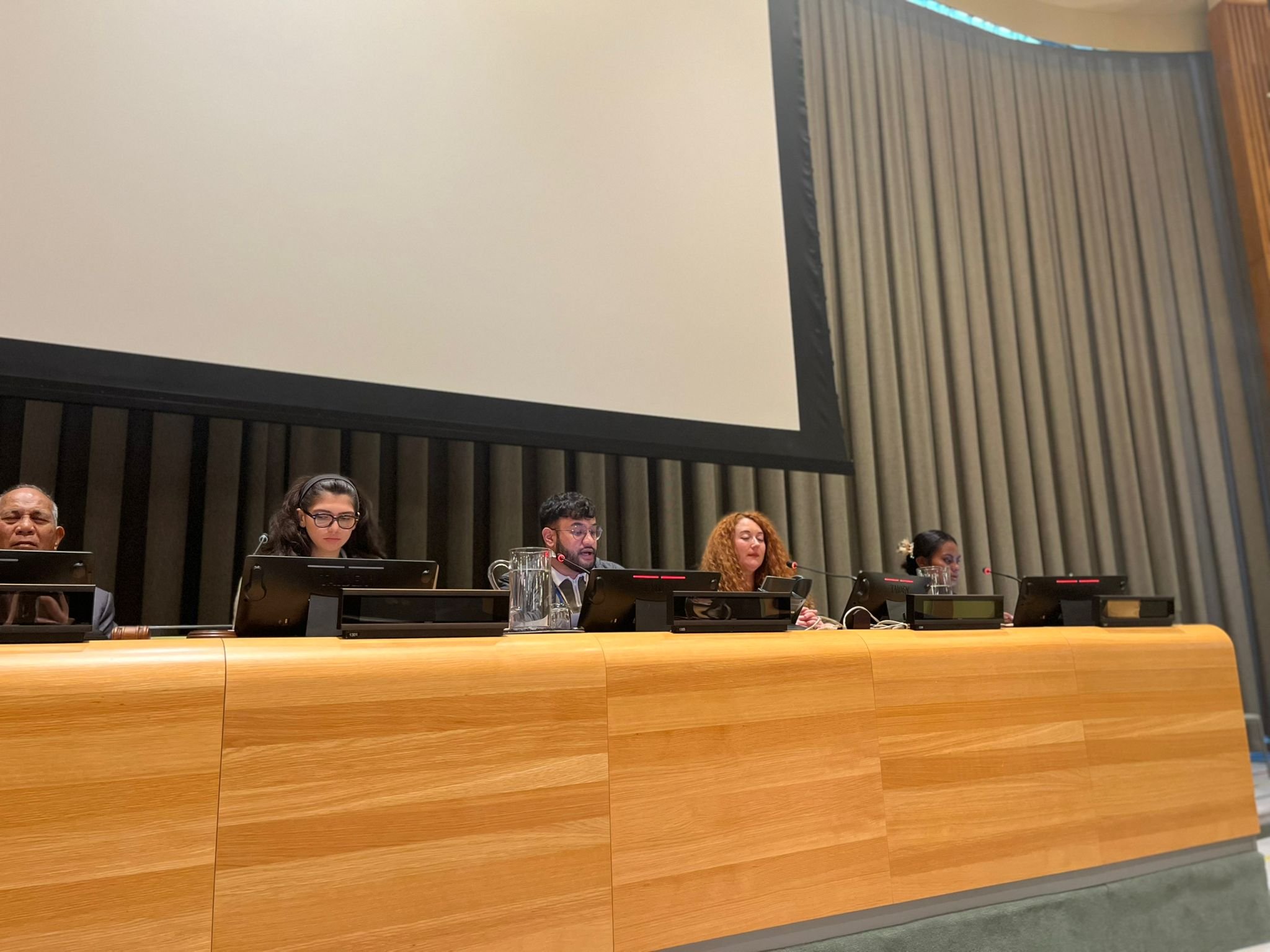
Benetick Kabua Maddison shares his perspectives about the Marshall Is
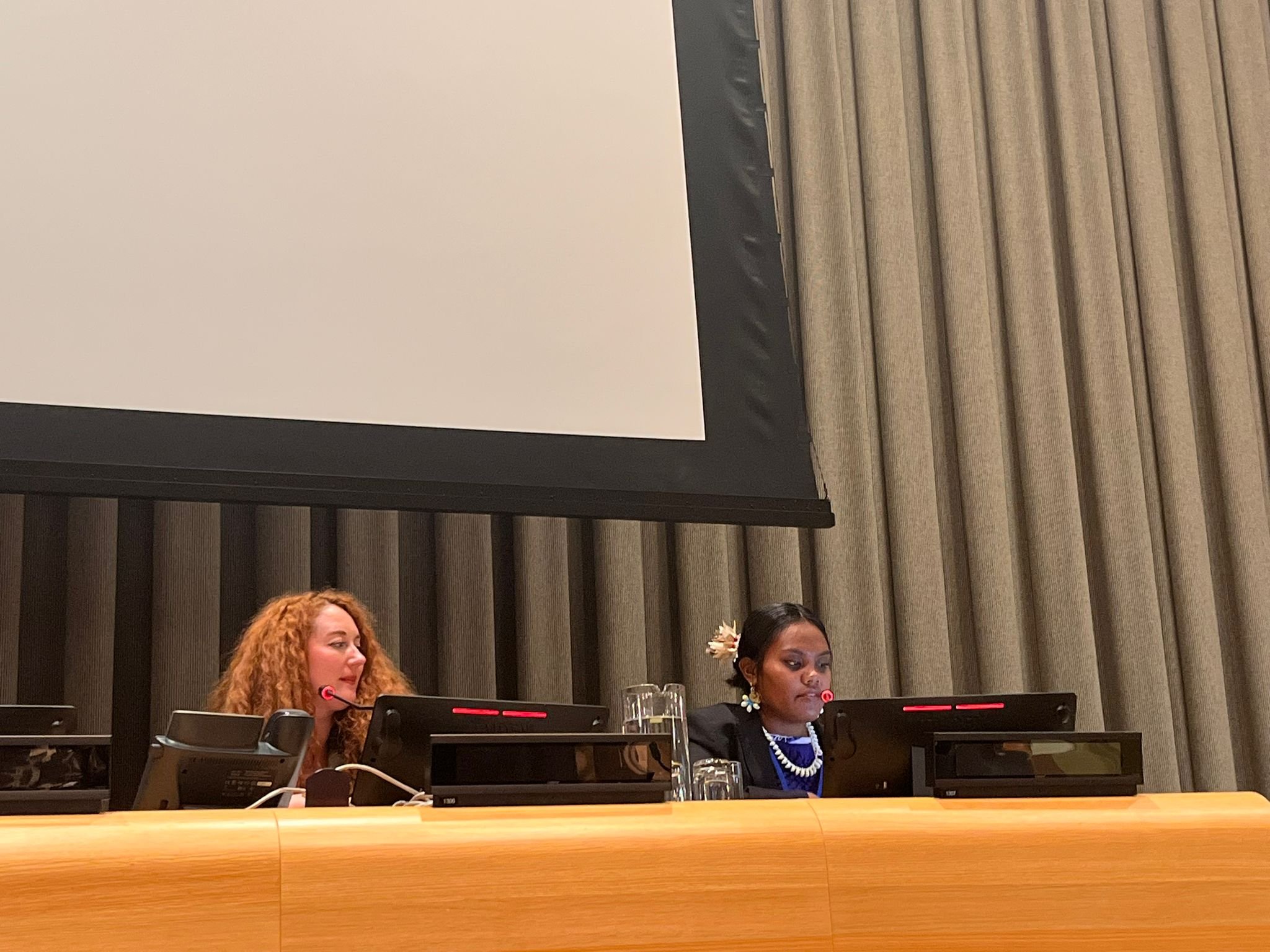
Tinabora Ioane delivers a personal statement about the impact of nuclear tests

Dr. Becky Alexis-Martin shares her experience with i-Kiribati citizens and poses for a picture with Benetick Kanabua Maddison
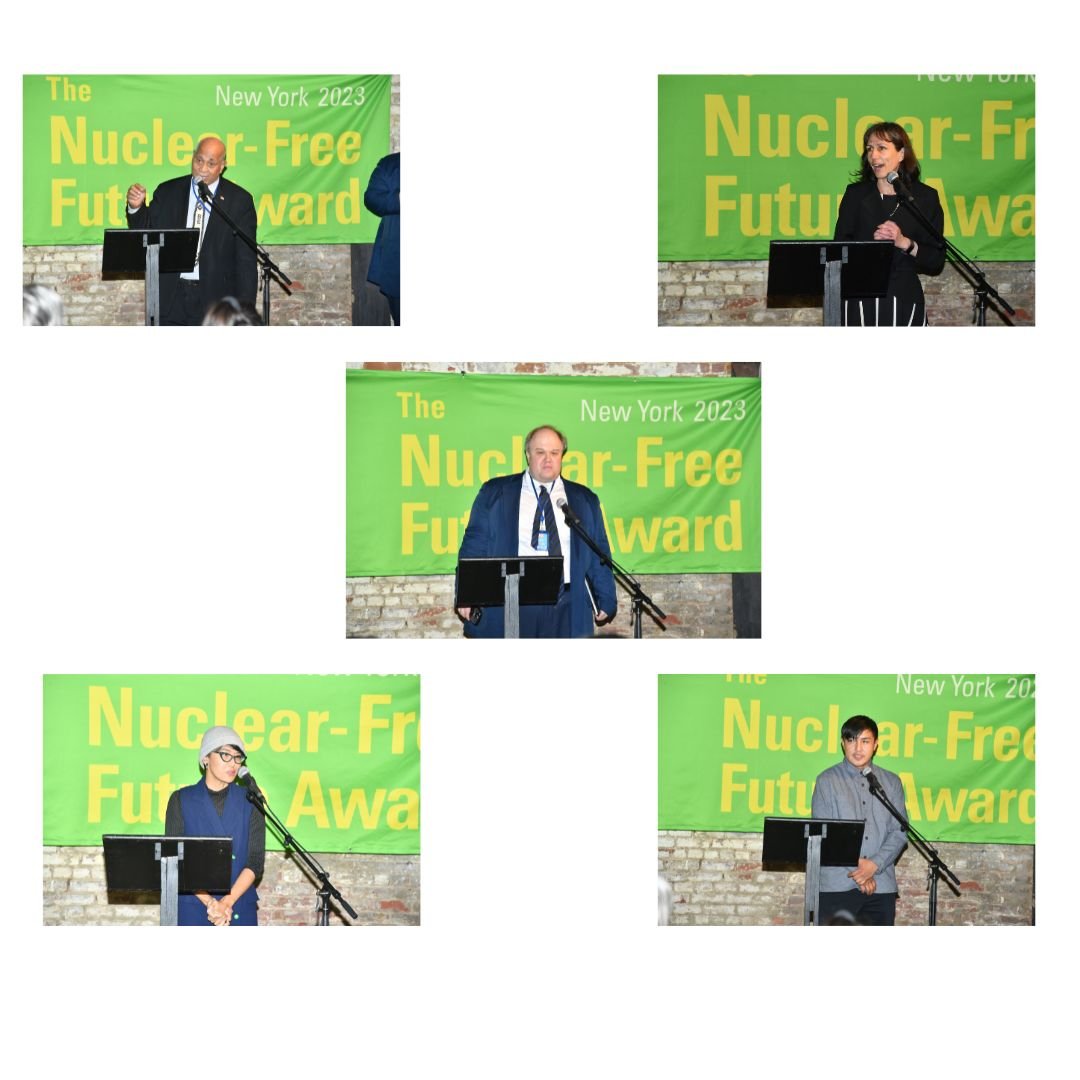
Hope for A Better Tomorrow Art Exhibit and Nuclear Free Future Awards
Sponsors: Beyond Nuclear, IPPNW, Nuclear Age Peace Foundation, Reverse The Trend, Marshallese Educational Initiative, and The Prospect Hill Foundation
Inspired by the World Uranium Hearing in 1992, the Nuclear-Free Future Awards were first presented in 1998 in Salzburg, Austria and have traveled around the world for 25 years. The Nuclear-Free Future Awards honor individuals and initiatives worldwide that have made a significant contribution toward ridding the world of uranium mining, nuclear weapons, nuclear power and uranium munitions.
Hosted this year by Beyond Nuclear and International Physicians for the Prevention of Nuclear War, Germany (IPPNW-DE) in partnership with Nuclear Age Peace Foundation (NAPF) and Reverse the Trend (RTT), the ceremony presents these awards alongside a brief yet poignant art exhibition. All works of art are original creations by youth from countries such the Marshall Islands and Kiribati. Youth from the Solomon Islands and Canada created powerful art to highlight their solidarity. This exhibit draws attention to the intergenerational effects of nuclear testing on populations across the globe, the impacts and exacerbations of these issues caused by climate change, and art’s unique ability to empower youth voices and construct a deeper sense of international solidarity.
.This year's winners are:
Tina Cordova, a seventh generation native New Mexican, cancer survivor and the co-founder of the Tularosa Basin Downwinders Consortium who has campaigned for more than 18 years to bring attention to the negative health effects suffered by the unknowing, unwilling, uncompensated, innocent victims of the first nuclear blast on Earth that took place at the Trinity site in New Mexico.
Benetick Kabua Maddison, a young US-based Marshallese activist who works to educate both US and international audiences about the terrible legacy of the 67 US atomic tests conducted in the Marshall Islands between 1946 and 1958 and the ongoing health, environmental, and cultural consequences.
Hinamoeura Morgant-Cross, a French Polynesian in her mid thirties, whose realization that her own leukemia was a legacy of the French atomic tests in the South Pacific led her into activism and to pressure the French government into both acknowledgement of responsibility and medical and financial support.
An honorary Lifetime Achievement Award will be presented posthumously to Daniel Ellsberg.
All photos are credited to Stephen Lovekin/Shutterstock, 2023.

Art Pieces by Pacific Youth

Art Pieces by i-Kiribati Youth

Guests engage with one another

Message by Youth

Performances by i-Kiribati youth
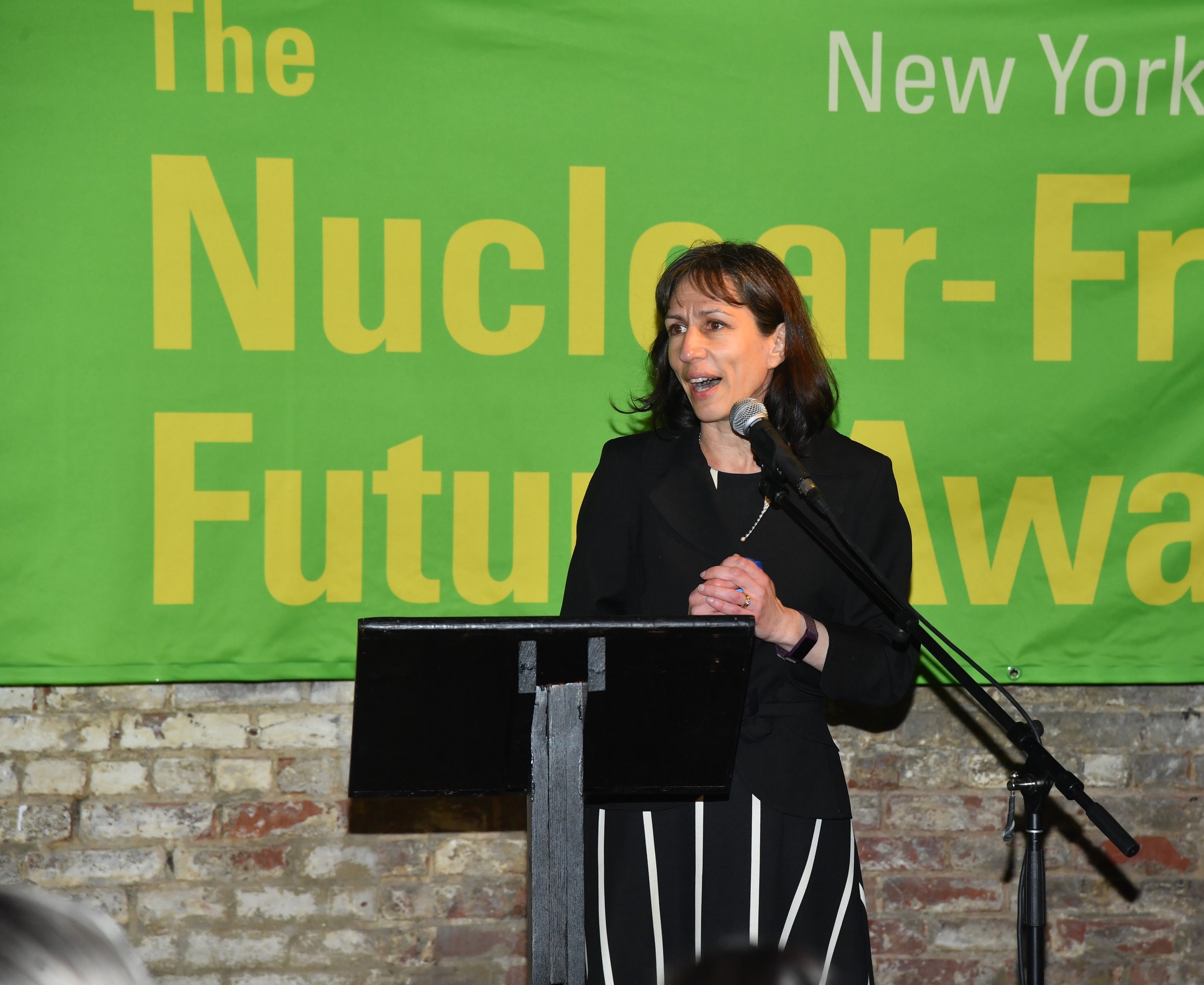
Dr. Ivana Hughes of NAPF addresses the participants

Mark Harmony performs

(Left to Right) Benetick Kabua Maddison of MEI, Hinamoeura Cross of Polynesia, Tina Cardova of Navajo First Nation, Amy Goodman of Democracy Now addresses the participants, Hnamoeura Cross engages in a conversation with Dr. Ivana Hughes, and Presentation of Award to Daniel Ellsberg posthumously
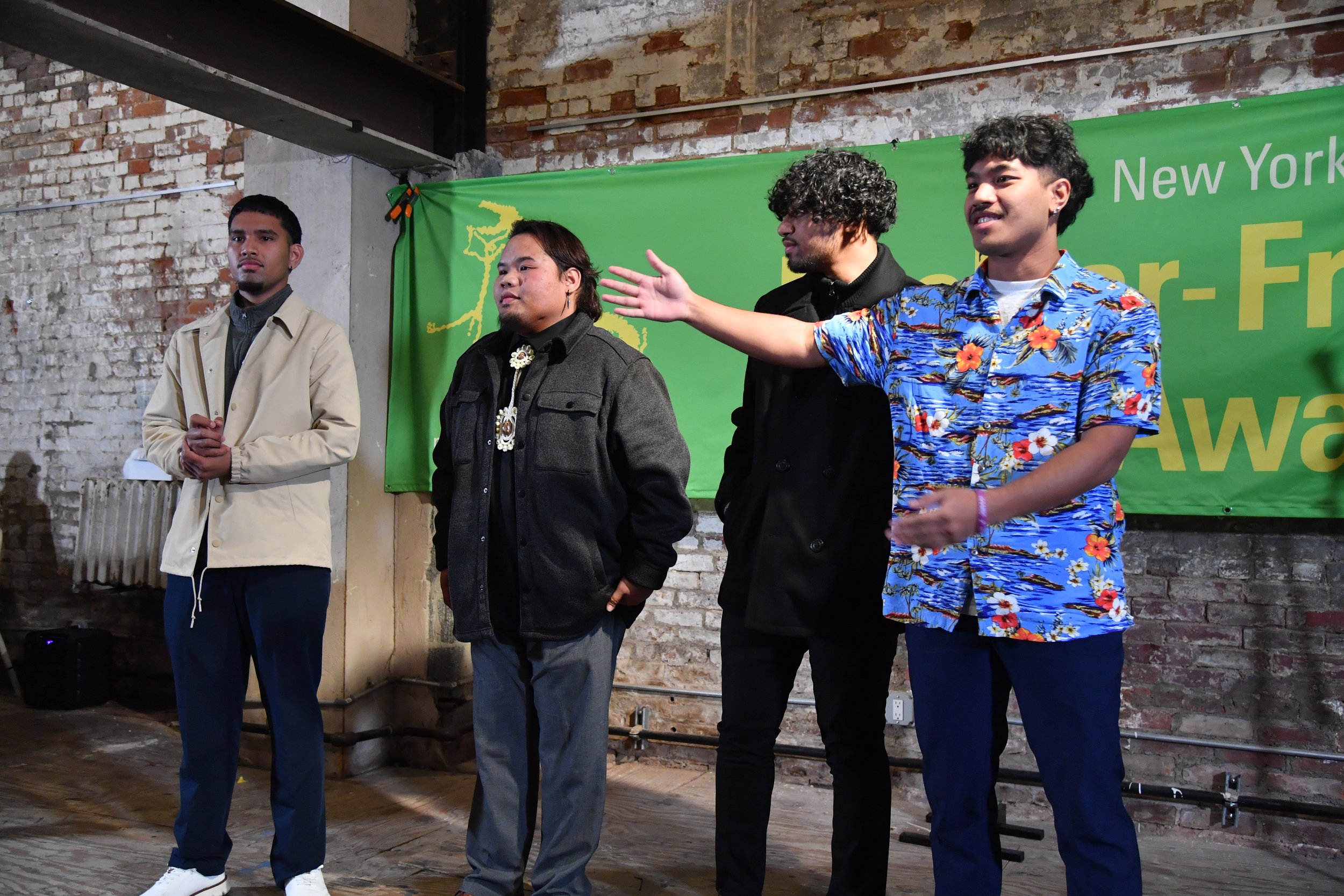
Mark Harmony delivers a performance

Powerful Message by Youth
(Left to Right) H.E. Teburoro Tito of Kiribati, Dr. Ivana Hughes of NAPF, Lovely Umayam of Bombshelltoe and RTT, Loren Nelson of Navajo First Nation, and Christian N. Ciobanu of NAPF/RTT (Center)

Alexandra Andratis and Lovely Umayam discuss the Ecology of Peace, RTT Canada's Art Project with Miss Andratis
Hope for a Better Tomorrow Art Exhibit
This art exhibition intends to shed light on the profound impact of global nuclear testing on the youth in Kazakhstan and the Pacific region. The exhibition aims to foster recognition of the long-standing implications of nuclear testing in the 20th century on intergenerational populations worldwide.
Moreover, it underscores the capacity of art to amplify the voices of young people and nurture a more profound sense of international solidarity. The display featured artworks from international youth, expressing their solidarity with frontline communities and their grave concerns regarding the ecological consequences of nuclear weapons.
The exhibit was co-sponsored by Kiribati, Kazakhstan, NAPF, RTT, MEI, and the Prospect Hill Foundation.

Frankie and Molly, the core members of NAPF-RTT’s campaign team pose in front of our exhibit. Our exhibit consists of paintings by Pacific youth.
Additional Youth Events
We also co-hosted several youth activities and discussions, including Tik Tok for Nuclear Disarmament, Shades of Disarmament, and Youth Dialogues.
Nuclear disarmament is a critical global issue that demands broad public engagement and awareness. In this age of digital communication, social media platforms play a pivotal role in disseminating information and influencing public opinion. TikTok, with its vast and diverse user base, presents a unique opportunity to advance the cause of nuclear disarmament among young changemakers. This gathering aims to bring together advocates and influencers to build a stronger TikTok community focused on nuclear disarmament.
Shades of Disarmament is an original short documentary produced by Reverse the Trend and its supporters highlighting activists of color who were present at the 1982 Rally on Nuclear Disarmament. The film sheds light on the intersectional relationship between the struggles for environmental justice, social justice, and human rights. “Shades of Disarmament” focuses on the necessity of including diverse voices - many of whom were marginalized during the march and rally - in the disarmament movement.

Panelists and Organizers of Tik Tok for Disarmament

Molly Hurley delivers introductory remarks
Shades of Disarmament

Jim Anderson addresses the participants
Shades of Disarmament is an original short documentary produced by Reverse the Trend and its supporters highlighting activists of color who were present at the 1982 Rally on Nuclear Disarmament. The film highlights the intersectional relationship between the struggles for environmental justice, social justice, and human rights. “Shades of Disarmament” focuses on the necessity of including diverse voices - many of whom were marginalized during the march and rally - in the disarmament movement.
This film screening served as both the public launch of a uniquely grassroots film about a uniquely grassroots mass movement from the 1980s and an important point of access for engaging with nuclear weapons issues today. The timing of this launch was particularly synergistic for its coordination with the United Nation’s 2nd Meeting of States Parties to the Treaty on the Prohibition of Nuclear Weapons (aka the TPNW or the “Ban Treaty”).
Following the screening of the film, a panel discussion was held. Panelists included: Dr. Vincent Intondi, author of Saving the World from Nuclear War; Jim Anderson, President of Peace Action New York State; and Jeremiah Williams, RTT Activist who conducted several of the interviews for the film. Molly Hurley, RTT’s Campaign Manager, moderated the discussion.

Dr. Vincent Intondi shares his perspectives about the 1982 March and Rally
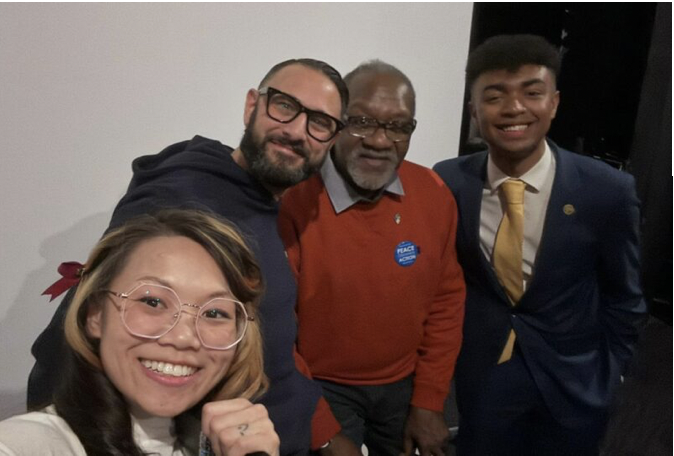
Molly Hurley, Dr. Vincent Intondi, Jim Anderson and Jeremiah Williams pose for a photo
To forge bonds of friendship with representatives from frontline communities, we organized two significant dialogues with youth from Kiribati and Kazakhstan respectively. Through these dialogues, we gained a deeper understanding of the humanitarian impact of nuclear weapons and built bonds of friendship.
International Youth Dialogues

RTT representatives meet with i-Kiribati delegates
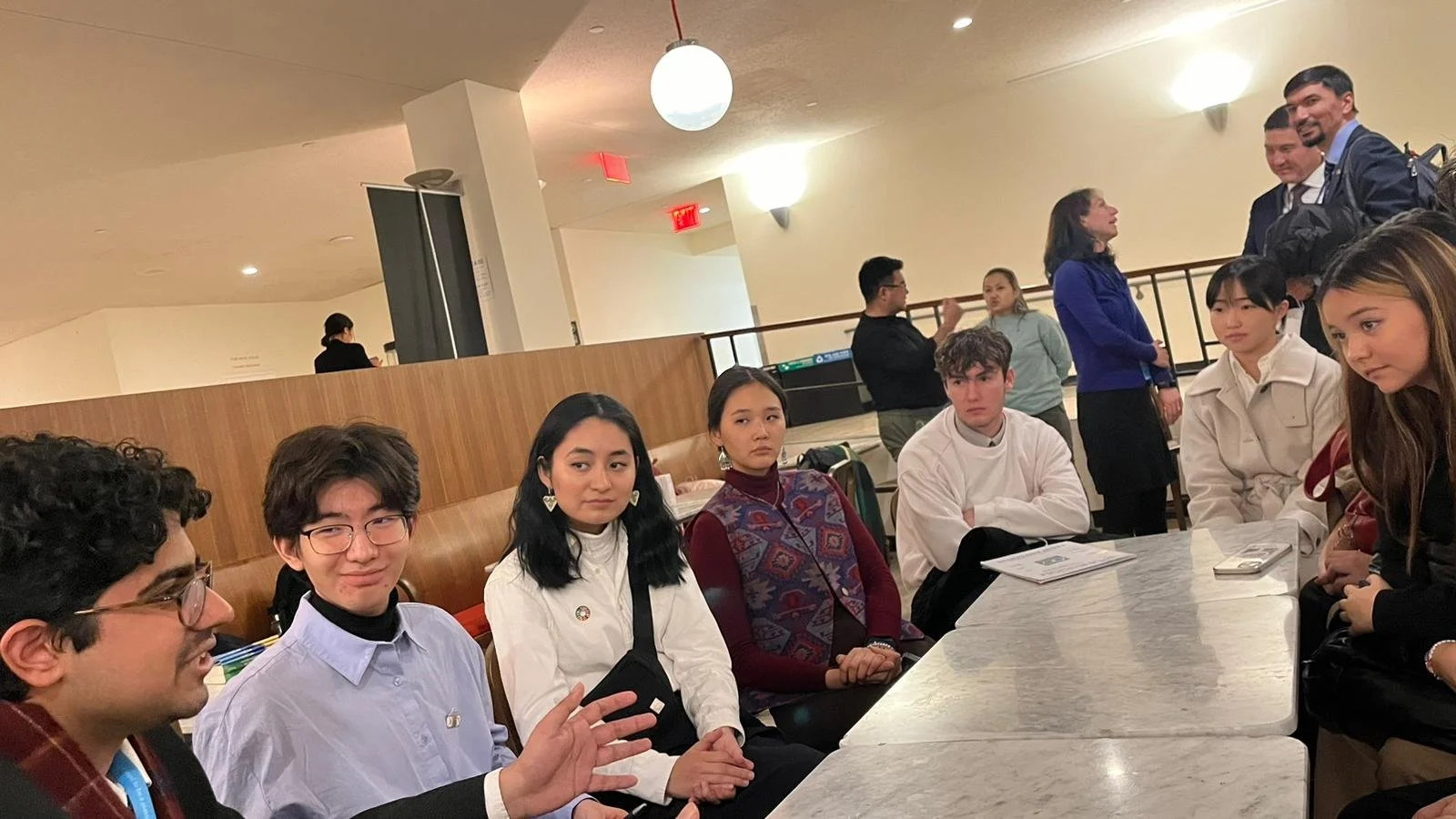
RTT representatives meet with youth delegates from Kazakhstan
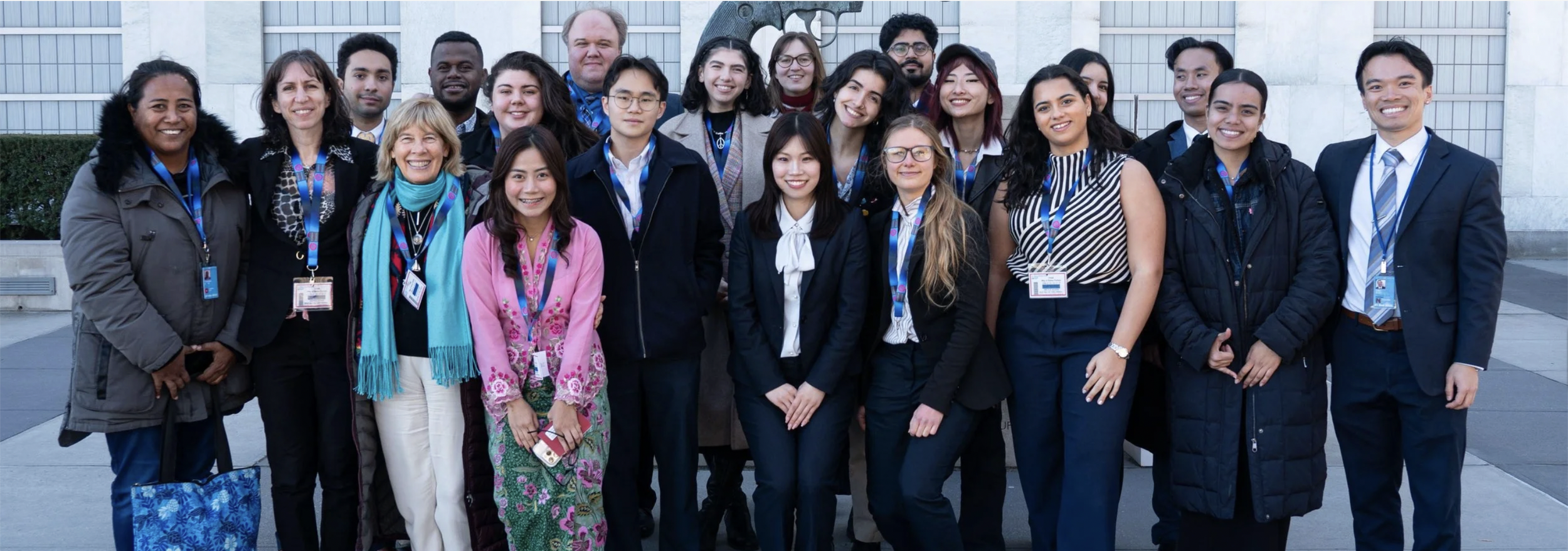
3rd Meeting of States Parties to the Treaty on the Prohibition of Nuclear Weapons
The Third Meeting of States Parties to the Treaty on the Prohibition of Nuclear Weapons (3MSP) was held from March 3 to March 7 2025, at the United Nations Headquarters in New York.
The Nuclear Age Peace Foundation and its youth initiative, Reverse The Trend brought a large youth delegation, delivered statements, organized side events, and hosted an art exhibition.
Recognition of Financial Support
We are immensely grateful for the contributions from the Telemachus Foundation to Empower the Poor and End War, Ploughshares Fund, Simons Foundation Canada, and Joanne Dufour. These contributions enabled us to organize meaningful youth events.
NAPF’s RTT Youth Campaigners Delivered Statements and Prepared a Working Paper
We are committed to empowering young people and providing opportunities to express themselves at major UN conferences. It is our belief that diplomats should listen to the voices of young people and their recommendations regarding the implementation of the Treaty on the Prohibition of Nuclear Weapons.
You can listen to their statements and read their historic working paper.
Maverick Peter Seda, Frontline Community RTT Pacific Coordinator from the Solomon Islands - Universalization
Maverick Peter Seda calls for the universalization of the Treaty on the Prohibition of Nuclear Weapons, emphasizing moral responsibility and youth-led movements.
Taraem Taukaro, Fourth Generation Survivor - High Level Statement
Taraem discusses her family’s harrowing experiences linked to the nuclear tests conducted on Christmas Island.
Oemwa Johnson, Fourth Generation Survivor- Gender Statement
Oewma Johnson explains the disproportionate impact of ionoizing radiation on women and girls from impacted communities and urges the States Parties to support and empower women and girls.
Dr. Ivana Hughes, President of NAPF, - General Remarks
Dr. Hughes underscores the global threat of nuclear weapons andthe importance of heeding warnings from affected communities. She further outlined key issues, including education, victim assistance, and verification mechanisms.
Oemwa Johnson, Fourth Generation Survivor - Positive Obligations
Oeema discusses the urgent need for States Parties to support the implementation of Articles 6 and 7, including the establishment of an international trust fund.
Yulianna Acuna, NAPF/RTT Costa Rican Youth Participant - Gender Statement
Yulianna provides an overview on the impact of nuclear weapons on women and girls.
Christian Ciobanu - NAPF/RTT - Policy and Advocacy Director and Project Coordinator - Closing Remarks
Christian provides closing remarks, where he thanks Kazakhstan for its leadership and efforts in establishing an international trust fund. He further urges the States Parties to listen to affected communities.
A hybrid press briefing was held on the Third Meeting of States Parties to the Treaty on the Prohibition of Nuclear Weapons. The speakers included H.E. Ambassador Akan Rakhmetullin, First Deputy Foreign Minister of Kazakhstan and Chair of the 3rd Meeting to Abolish Nuclear Weapons; Melissa Parke, Executive Director of the International Campaign to Abolish Nuclear Weapons; Eirini Giorgiou, Legal Advisor for the International Committee of the Red Cross; and Taraem Taukaro, a representative of Kiribati whose family experienced the tragic humanitarian impact of nuclear tests.
3MSP: Press Conference
Side Events


From March 3-7, 2025, we convened a series of events aimed to invigorate the global movement for nuclear disarmament and advance justice for communities affected by nuclear weapons. These gatherings sought to strengthen international cooperation, elevate the voices of youth and affected communities, and foster dialogue on the long-term consequences of nuclear weapons.
By raising awareness and building solidarity, the participants recommitted to helping affected communities and urged States Parties to take progressive action on issues, including the establishment of an international trust fund, empowerment of women and girls, and providing space for young people to express themselves.
Midtown Mixer
On Sunday, March 2, the Nuclear Age Peace Foundation and its youth initiative, Reverse the Trend, hosted an engaging evening of dialogue and reflection in New York. The event brought together advocates, youth leaders, and community members for a Midtown Mixer and a special screening of Shades of Disarmament.
The evening fostered a vibrant atmosphere of networking and discussion, with attendees exchanging ideas on nuclear disarmament and social justice over refreshments. The highlight of the night was the screening of Shades of Disarmament, an original short documentary produced by Reverse the Trend and its supporters. The film revisits the historic 1982 March and Rally for Nuclear Disarmament, highlighting the intersection of environmental justice, social justice, and human rights in the disarmament movement.
Following the screening, we hosted a panel discussion, featuring: Dr. Ivana Hughes, President of the Nuclear Age Peace Foundation; Annie Jacobsen, author of Nuclear War: A Scenario; Jim Anderson, President of Peace Action New York State; and Jeremiah Williams, a young activist who interviewed several experts for the film. Read More Here


International Youth Orientation
On Monday, March 3, young leaders from around the world gathered at the Church Center in New York for the International Youth Orientation, an engaging and empowering kickoff to the Third Meeting of States Parties (3MSP) to the Treaty on the Prohibition of Nuclear Weapons (TPNW). The orientation included a high-level panel and two additional panels focusing on why youth engagement matters and the humanitarian impact of nuclear weapons and the TPNW. Alei Rizvi of Reverse The Trend moderated the event. Speakers included: representatives from the UN Office for Disarmament Affairs, the International Committee of the Red Cross, the International Campaign to Abolish Nuclear Weapons, former NAPF/RTT activists, Hiroshima and Nagasaki Peace Messengers, and frontline communities and affected communities from the Solomon Islands, Kazakhstan, and Kiribati.


Nuclear Justice
In their quest for nuclear justice through the establishment of an International Trust Fund, Kiribati and Kazakhstan, in collaboration with the Solomon Islands, Nuclear Age Peace Foundation, Reverse the Trend (RTT), and Qazaq Nuclear Frontline Coalition, hosted a side event on nuclear justice on March 4, 2025. The event featured speakers such as Ambassador Rakhmetullin, Chair of the Third Meeting of States Parties (3MSP); Ambassador Tito of Kiribati; Dr. Ivana Hughes, President of the Nuclear Age Peace Foundation; Maverick Peter Seda, RTT’s Pacific Coordinator; and members of the youth cohort. This signature event focused on advancing the development of the International Trust Fund.


Youth Voices for a Sustainable, Nuclear Weapons-Free Future
On Thursday, March 6, 2025 Friedrich-Ebert-Stiftung Kazakhstan, International Physicians for the Prevention of Nuclear War (IPPNW), Marshallese Educational Initiative (MEI), Nuclear Age Peace Foundation (NAPF) and its youth initiative Reverse The Trend (RTT), Qazaq Nuclear Frontline Coalition (QNFC), and Soka Gakkai International (SGI) hosted a meaningful youth event. The event reported on the results of the Youth Peace Awareness Survey, which highlighted youth perspectives on nuclear abolition. By analyzing the findings, participants explored ways to enhance youth participation in the nuclear abolition movement.
The second part of the event featured young leaders from the Pacific Islands and international disarmament organizations who shared firsthand experiences of nuclear legacy and discussed innovative approaches to disarmament education.


Examining the Relationship between the TPNW and the Humanitarian Impact of Nuclear Weapons
On March 6, we convened a special event at New York University with the NYU's International Relations Society, Japanese Cultural Association, and Latinos Unidos Con Honor y Amistad. The event featured: Director General Arman Baissuanov of Kazakhstan; H.E. Ambassador Alexander Kmentt of Austria; H.E. Ambassador Elayne Whyte Gómez, the President of the 2017 Negotiating Conference on the TPNW; Yayoi Tsuchida, Assistant General Secretary of Gensuikyo; Masako Wada, Assistant General Secretary of Nihon Hidankyo, the 2024 Nobel Prize Winner; Hiroshima and Nagasaki Peace Messengers; Taraem Taukaro of Kiribati; Maverick Peter Seda, RTT Pacific Coordinator; Asuka Oka, RTT Japan’s coordinator; and Kenneth Chiu, the Communications and Media Coordinator at NAPF.


Showing of Silent Fallout and Panel Discussion,
Columbia University
On Wednesday, March 5, 2025, the Nuclear Age Peace Foundation (NAPF) and Reverse the Trend (RTT) hosted a powerful film screening of Silent Fallout, directed by Japanese filmmaker Hideaki Ito, at Columbia University. The film, narrated by Alec Baldwin, aimed to raise awareness about radiation poisoning and nuclear contamination in the U.S. and globally. Following the screening, Archbishop John C. Wester of Santa Fe, and engaged in a Q&A with audience members. Dr. Ivana Hughes of NAPF moderated the panel, which delved into the human cost of nuclear testing and emphasized the critical need for nuclear justice. The event aimed to shed light on the far-reaching impacts of nuclear testing, focusing on the exposure of U.S. communities to fallout from American nuclear tests in the 1950s and 1960s, particularly in the Southwest U.S.

Gender and Nuclear Weapons
On March 6, 2025, Kiribati, Mexico, NAPF, RTT, and the Simons Foundation Canada co-convened an event focusing on how gender intersects with the impact of nuclear weapons. The discussion raised awareness about the disproportionate effects of nuclear weapons on women and girls. The event also addressed Kiribati's role as Co-Chair of the Informal Working Group on Articles 6 and 7 and Mexico's role as the TPNW Gender Focal Point. The event featured Dr. Ivana Hughes of NAPF; Rooj Ali, RTT’s Canada Coordinator; Senator Marilou McPhedran of Manitoba; and Dr. Jennifer Simons, Founder and President of the Simons Foundation Canada, who delivered the keynote presentation. Oemwa Johnson, a youth delegate of Kiribati; and Sylvia Paola Mendoza, Economic and Social Affairs Coordinator of Mexico served as additional speakers. Stella Dean Rose, a former NAPF intern and youth advisor, moderated the discussion.
The Power of Art as a Form of Nuclear Justice
Reception


On March 7, 2025, NAPF, RTT South and Southeast Asia, and Youth for TPNW hosted a side event focused on the psychological and long-term effects of nuclear weapons, particularly on vulnerable groups such as children and the elderly. The event fostered dialogue and cooperation to create pathways for justice and reconciliation within the ASEAN region.
Given the growing proliferation of nuclear weapons near the ASEAN region—including countries such as India, Pakistan, China, and North Korea—the event highlighted ASEAN as a model for non-proliferation efforts and emphasized its importance in advancing nuclear disarmament.
Lasting Physical and Psychological Effects
of Nuclear Weapons


This brief yet poignant art exhibition aims to center the difficult realities of many youth in the Asia Pacific region and Kazakhstan, as a result of the use and testing of nuclear weapons throughout the 20th century. This exhibit draws attention to the intergenerational effects of nuclear weapons on populations across the globe and art’s unique ability to empower youth voices and construct a deeper sense of international kinship. It also features a series of paintings that are part of Wakana Yamaguchiʼs exhibition “Two Suns.” Yamguchi’s paintings are focused on the Japanese fishing boats that were exposed to US nuclear testing on Bikini Atoll, Marshall Islands.

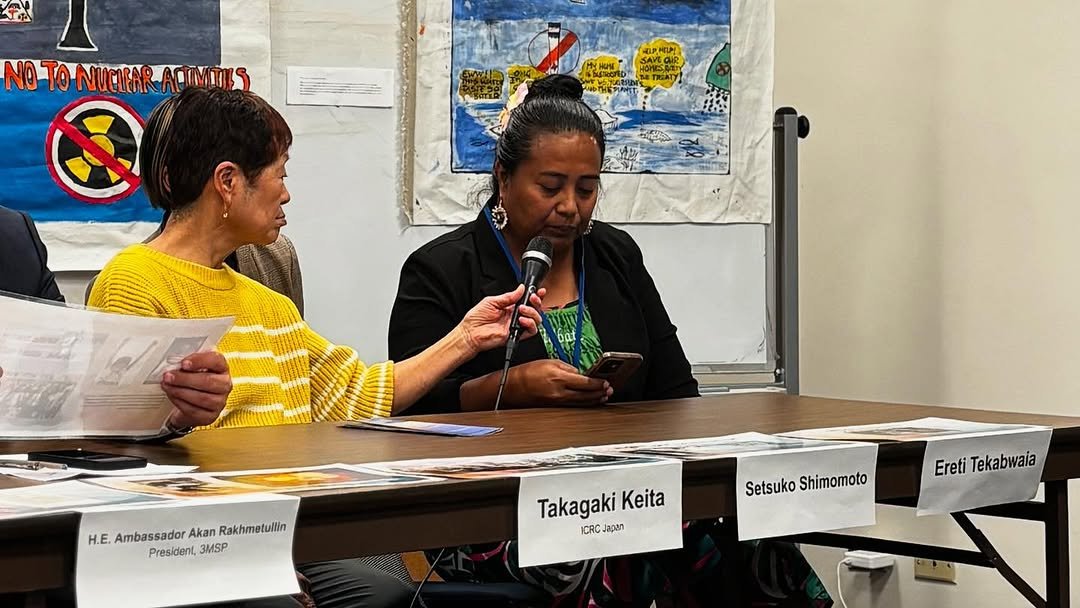
On March 4, 2025, the Nuclear Age Peace Foundation (NAPF) and Reverse the Trend (RTT) hosted a special art reception entitled From the Pacific to the Steppes: Solidarity, Reconciliation, and Nuclear Justice at the Church Center in New York. This impactful event brought together speakers and advocates from various regions affected by nuclear testing to share their personal stories and efforts toward nuclear justice. Speakers included: Christian N. Ciobanu, the Policy and Advocacy Director of NAPF and RTT Project Coordinator; H.E. Ambassador Akan Rakhmetullin, Chair of the 3MSP and Deputy Minister of Kazakhstan; Karipbek Kuyukov, the honorary ambassador of the ATOM Project who also experienced the tragic impact of Soviet testing in Kazakhstan. Keita Takagaki, a youth representative of ICRC Japan; Setsuko Shimomoto, whose family was exposed to fallout; and Ereti Tekabwaia the Principal Officer of the Line and Phoneix Islands of Kiribati.

Youth Perspectives on the 3MSP
During the 3MSP, our amazing youth participants shared their expectations and perspectives about the meeting. Check out their recordings below.
Stella and Ibraheem, two former NAPF interns and RTT activists, discuss their expectations for the 3MSP.
Jonathan , a participant from Cornell University, shares his views about the Treaty on the Prohibition of Nuclear Weapons and the 3MSP.
Representatives of RTT Canada (Linda, Rooj, Naya, and Sarah) share their thoughts about the 3MSP.
Izzah, a participant from Malaysia, presents her views about the TPNW and the 3MSP.
YOUTH TESTIMONIALS
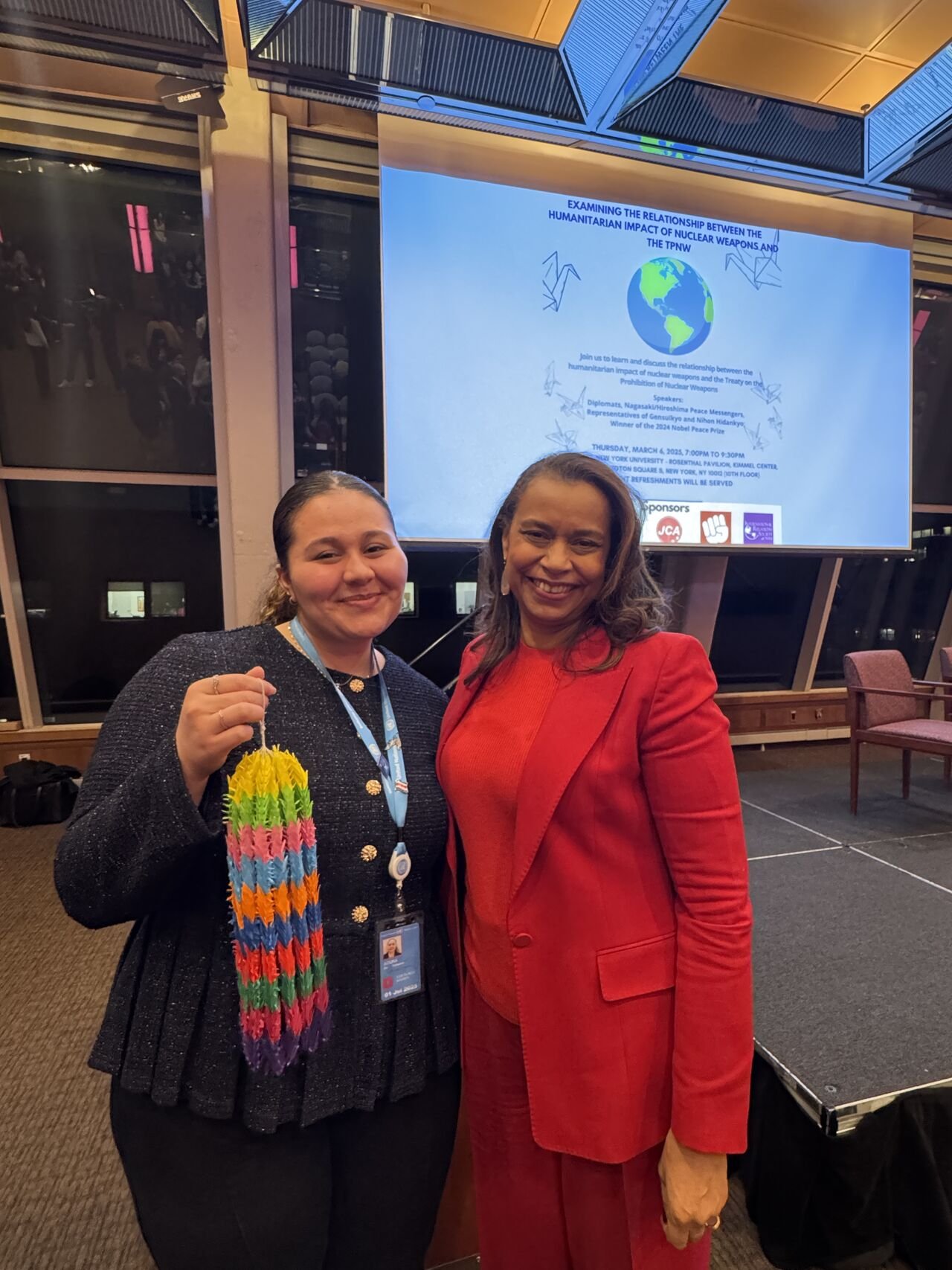
“I had the honor of delivering a civil society statement for the Gender Focal Point at the Third Meeting of States Parties to the TPNW, addressing how nuclear weapons have inflicted lasting harm on women—through radiation exposure, generational health consequences, and systemic marginalization. Too often, these voices have been ignored in the name of ‘security.’
As a young Costa Rican-American woman pursuing a career in diplomacy, international security, and disarmament, I felt it was crucial to emphasize one truth: women and young people aren't just 'tomorrow's leaders'—we are stepping up and speaking out today. I am deeply grateful to NAPF and RTT for giving me the platform to amplify these essential voices in disarmament forums where they have too often been overlooked. This opportunity has left me more inspired than ever to continue advocating for a world free of nuclear weapons!
I also moderated our event at New York University on the humanitarian impacts of nuclear weapons. Bringing together Ambassador Alexander Kmentt of Austria (President of the 1MSP), Ambassador Elayne Whyte of Costa Rica (President of the 2017 Negotiation Conference), 2024 Nobel Peace Prize winner, Masako Wada, (Secretary General of Nihon Hidankyo), and Hiroshima and Nagasaki Peace Messengers, who reinforced why youth involvement in this movement is critical. Seeing everyone engage deeply with these powerful voices reminded me that we are not just the next generation of leaders—we are leading now.”
- Yulianna Acuna, New York University

“During the week of March 3rd to 7th, I had the opportunity to be at the United Nations Headquarters for the Third Meeting of States Parties to the Treaty on the Prohibition of Nuclear Weapons (TPNW)! A huge thank you to the Nuclear Age Peace Foundation and Reverse The Trend for having me as part of the youth delegation.
A special highlight was getting to spend my 21st birthday, March 4th, at the UN—an amazing way to celebrate! From getting interviewed by a Japanese news station to hearing from diplomats and amazing global leaders and experts, each moment was eye-opening and inspiring. My favorite moments included hearing from the delegations of Kiribati and Kazakhstan and meeting 2024 Nobel Peace Prize winner Masako Wada (Under-Secretary General of Nihon Hidankyo).
I’m beyond grateful to have had the chance to support the TPNW and its peacekeeping efforts. Thank you again to Christian Ciobanu and Yulianna Acuña for your incredible support. The TPNW and the work we've done over the past few months have deepened my passion for nuclear disarmament, and I’m excited to keep contributing to this important cause!”
- Julia da Silva Roberto, NYU
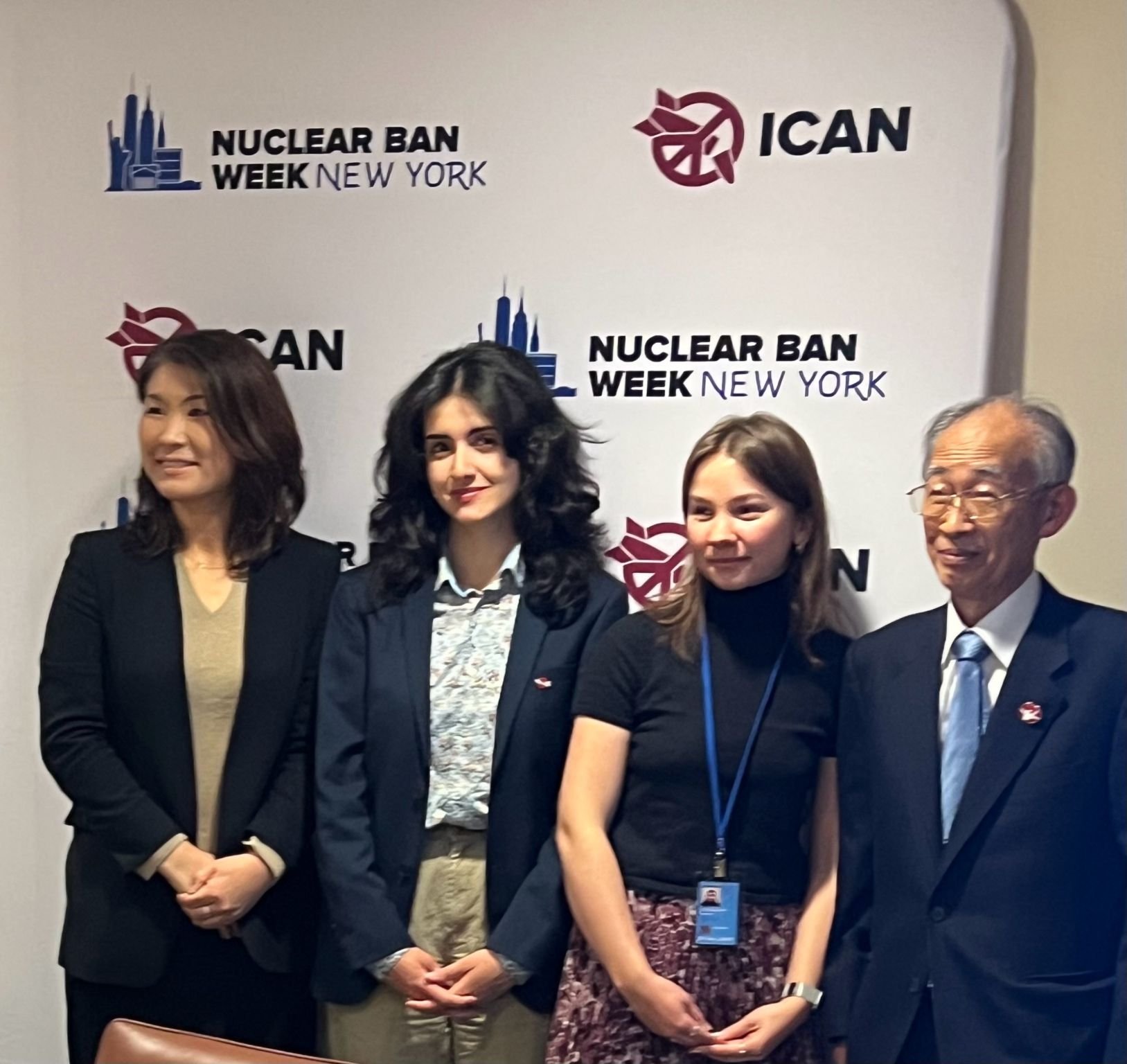
”I am honored to have participated as a civil society delegate at the Third Meeting of States Parties (MSP) to the United Nations Treaty on the Prohibition of Nuclear Weapons!
Serving as an event organizer and head of press and media management for Reverse The Trend throughout the week was an invaluable experience. I had the privilege of engaging in dialogue with international parliamentarians, academics, community leaders, and youth, highlighting key efforts toward total disarmament. It was especially meaningful to reflect on the progress made since attending the first and second MSP and to witness the remarkable growth of this movement.
I was also grateful for the opportunity to speak on two panels, sharing insights on my work and background in disarmament efforts alongside distinguished leaders, civil society representatives, and renowned experts.”
- Rooj Ali, University of Toronto and RTT Canada Coordinator (need permission)

“I’m incredibly grateful to have had the opportunity to serve as a Youth Delegate for Reverse The Trend and Nuclear Age Peace Foundation at the Third Meeting of States Parties (3MSP) for the Treaty on the Prohibition of Nuclear Weapons (TPNW). It was inspiring to witness firsthand the global commitment to nuclear disarmament and to participate in key discussions shaping the future of a world free from nuclear weapons.
Attending plenary sessions and engaging in impactful side events deepened my understanding of the diverse strategies needed to advance this cause. One standout was Artists Against the Bomb, where panellists — including co-founder of Ben & Jerry's Ben Cohen, artist Pedro Reyes, and Mr. Eduardo Alcibiades Sanchez Kiesslich (Permanent Mission of Mexico) — discussed how media, pop culture, and art can mobilize public support and pressure governments to take action against nuclear weapons. The session, mediated by Melissa Parke, Executive Director of the International Campaign to Abolish Nuclear Weapons (ICAN), emphasised the power of creative activism in shaping policy and public opinion.
Another crucial conversation took place at the Gender and Nuclear Weapons side event, featuring an insightful panel including Rooj Ali (RTT Canada Coordinator), Dr Jennifer Simons (The Simons Foundation Canada), H.E. Ambassador Alicia Buenrostro (Permanent Mission of Mexico), Dr Ivana Nikolic Hughes (NAPF President), and Senator Marilou McPhedran. Moderated by Stella Rose, the discussion highlighted the disproportionate impact of nuclear testing on women in affected communities and the historic exclusion of women from nuclear policy-making — an erasure that must be addressed to achieve a truly equitable and effective disarmament movement.”
- Zein Blanks, New York University

From the Pacific to the Steppes: Addressing the Nuclear Sins of the Past and Advancing Justice
August 29th, 2024
Astana, Kazakhstan

Our Financial Sponsors:
The Telemachus Foundation to Empower the Poor and End War, The Prospect Hill Foundation, Walden Foundation, Joanne Dufour, and James Manista
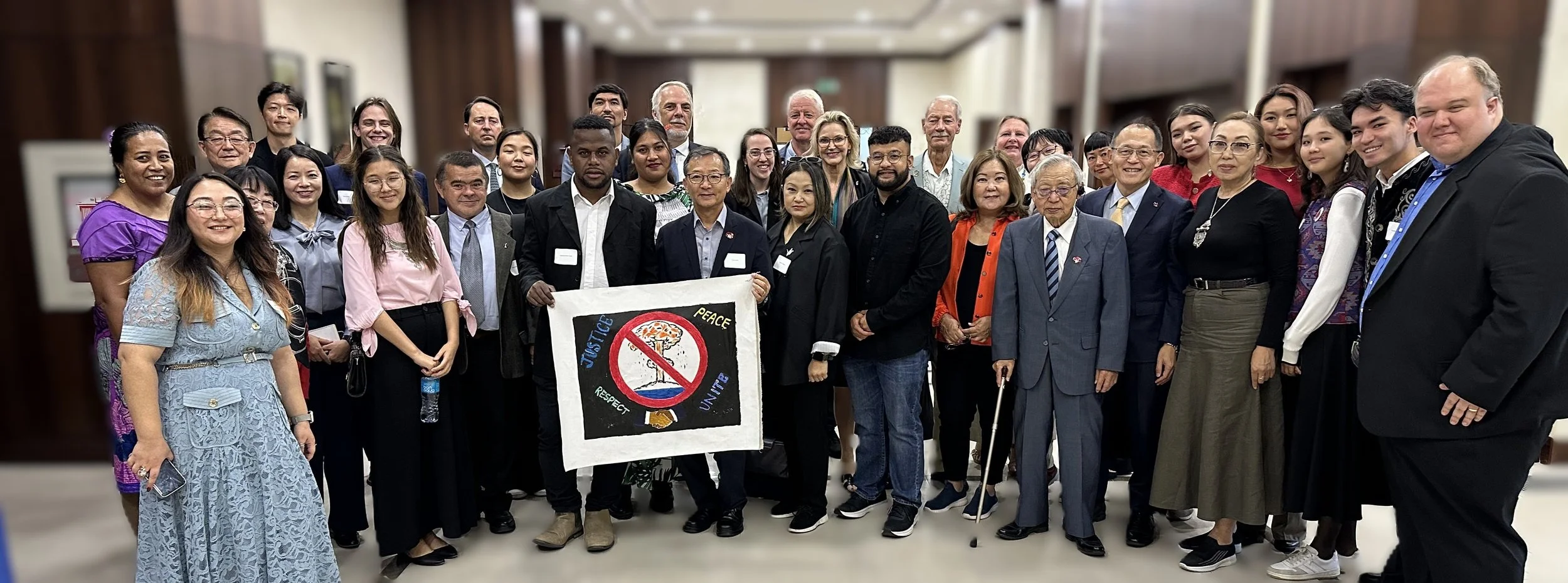

Youth Forum Kazakhstan 2024
The Youth Forum on Nuclear Justice convened a diverse array of global stakeholders to address the enduring effects of nuclear weapons testing and use. This platform emphasized the importance of international collaboration, empowering frontline communities, and promoting youth-led initiatives.
The event unfolded in three primary segments. The High-Level Segment in the morning gathered leaders in nuclear disarmament, including notable figures, such as Dr. Ivana Hughes, Christian N. Ciobanu, and H.E. Ambassador Alexander Kmentt. These experts engaged in discussions about existing pathways to justice, reflecting on historical and contemporary efforts aimed at rectifying the legacies of nuclear weapons within the framework of the Treaty on the Prohibition of Nuclear Weapons (TPNW).
Following this segment, the Youth Forum provided a platform for personal testimonies from individuals belonging to affected and frontline communities. This led to a crucial dialogue on the support needed for the proposed TPNW International Trust Fund. Advocacy efforts were showcased, including movements like the Nevada-Semey Initiative and artistic contributions from Kiribati and the Solomon Islands.
The day culminated with an Evening Press Event and Joint Panel featuring members from the Nuclear Survivors Forum and the TPNW Coordination Committee, fostering an intergenerational connection between youth, survivors, and policymakers. Key outcomes of the forum included the formal adoption of a compelling Youth Declaration aimed at the members of the Coordination Committee and the establishment of a sustained Youth Network dedicated to advancing nuclear justice.
Youth Declaration
The Youth Declaration emphasizes the need for a collective approach to ensure justice and disarmament regarding nuclear weapons, highlighting the responsibilities that current generations hold towards future ones. Central to its objectives is the proposal for an International Trust Fund that would financially assist victims and support environmental remediation efforts in affected areas.
Inclusivity is a significant theme within the recommendations. It underscores the necessity for the involvement of affected communities—particularly youth, Indigenous peoples, and women—in the decision-making processes that influence their lives. This inclusive approach aims to foster transparency and accountability, ensuring that resources are allocated equitably. Additionally, the declaration advocates for capacity building within communities to facilitate access to necessary services and the provision of translation services to enhance engagement and understanding among diverse groups.
By prioritizing these elements, the Youth Declaration seeks to lay a foundation for meaningful progress in addressing the legacies of nuclear weapons and promoting sustainable futures for all affected communities.

Adiya Akhmer (left), Member of STOP and Yerdaulet Rakhmatulla (right), Co-Founder of STOP, deliver the Youth Statement at the Joint Panel.
Adiya Akhmer and Yerdaulet Rakhmatulla deliver the Youth Statement at the Joint Panel.

Contributors: Aigerim Seitenova, Steppe Organization for Peace, Republic of Kazakhstan; Adiya Akhmer, Steppe Organization for Peace, Republic of Kazakhstan; Benetick Kabua Maddison, Marshallese Educational Initiative, Republic of Marshall Islands; Brock Walker, Nuclear Age Peace Foundation / Reverse The Trend, United States of America; Christian Ciobanu, Nuclear Age Peace Foundation / Reverse The Trend, United States of America; Ereti Tekabaia, Advisor, Reverse The Trend, Kiritimati Island, Republic of Kiribati; Maverick-Peter Seda, Coordinator, Reverse The Trend Pacific Chapter, Solomon Islands; Tinabora Ioane, i-Kiribati Youth Activist, Kiritimati Island, Republic of Kiribati; Yerdaulet Rakhmatulla, Steppe Organization for Peace, Republic of Kazakhstan.
Adiya Akhmer, Yerdaulet Rakhmatulla, Benetick Kabua Maddison, and Dr. Kaisha Atakhanova present the Youth Statement and Nuclear Survivors Forum outcome document to H.E. Ambassador Teburo Tito and Director Arman Baissuanov.
High-Level Segment:
Engaging Leaders and Experts
Key leaders and diplomats in nuclear disarmament spoke during this segment on the importance of addressing the legacy of nuclear weapons through the TPNW’s International Trust Fund.
The participants included: Christian Ciobanu, NAPF Policy and Advocacy Director, RTT Project Coordinator, TPNW Advisor; Director Arman Baissuanov of the Kazakh Foreign Ministry; President Dr. Ivana Hughes of NAPF; Aigerim Seitenova, Co-Founder of STOP; Chris King, Chief of the Weapons of Mass Destruction Branch, UN ODA; Melissa Parke, Executive Director of ICAN; Veronique Christory, Senior Arms Adviser to the ICRC; Ambassador Alexander Kmentt of Austria; and Counsellor Alonso Martinez Ruiz of Mexico.
One central theme during this discussion was the important role of frontline and affected communities in advancing the framework for an inclusive, effective, and just International Trust Fund.
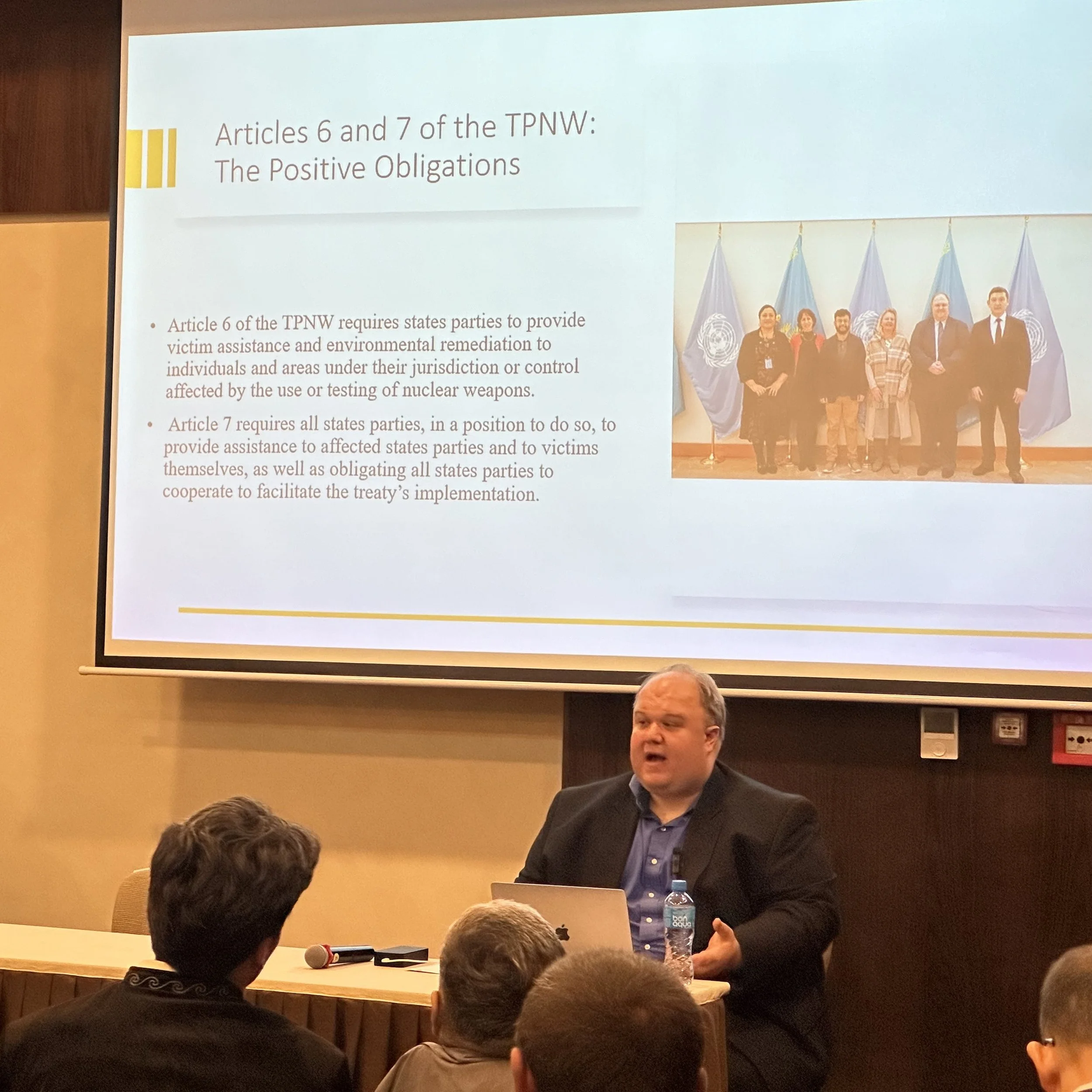


Ambassador Alexander Kmentt of Austria and Counsellor Alonso Martinez Ruiz of Mexico engage in dialogue about the successes of their States’ respective presidencies of the First and Second Meeting of States Parties respectively.

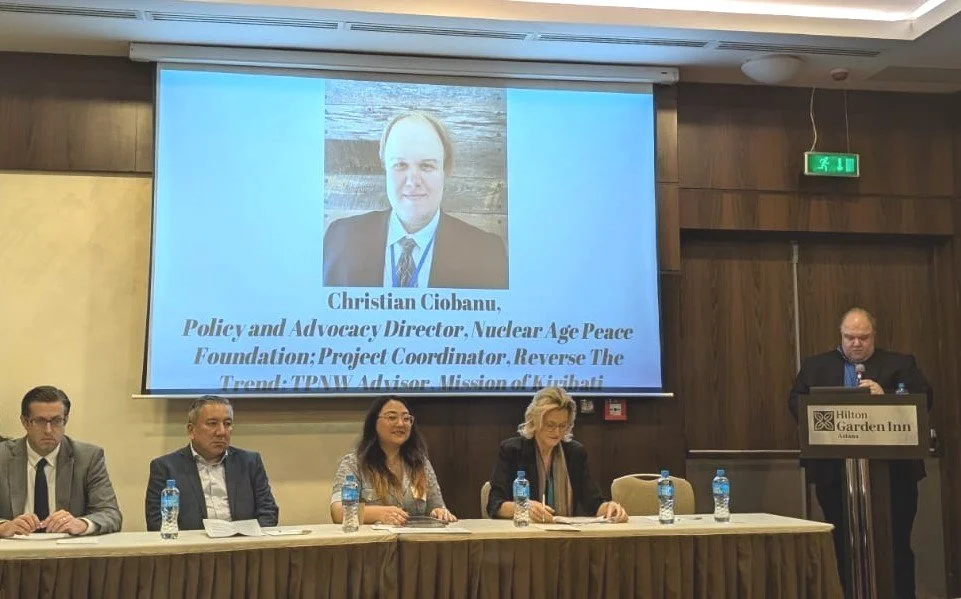
Cristian Ciobanu (right) begins the Youth Forum with welcoming remarks next to first panel of participants (in order from right to left): Melissa Parke, Aigerim Seitenova, Arman Baissuanov, and Chris King.

Audience included members of the TPNW Coordination Committee, members of the ICAN-Peace Boat Nuclear Survivors Forum, and youth from Kiribati, the Solomon Islands, and Kazakhstan.
Click on any icon below to hear these experts’ speeches


Veronique Christory (left) highlights the historical role of the ICRC in addressing the humanitarian consequences of the use of nuclear weapons.

Dr. Ivana Hughes addresses the audience in a recorded statement underscoring the consequences of nuclear war.
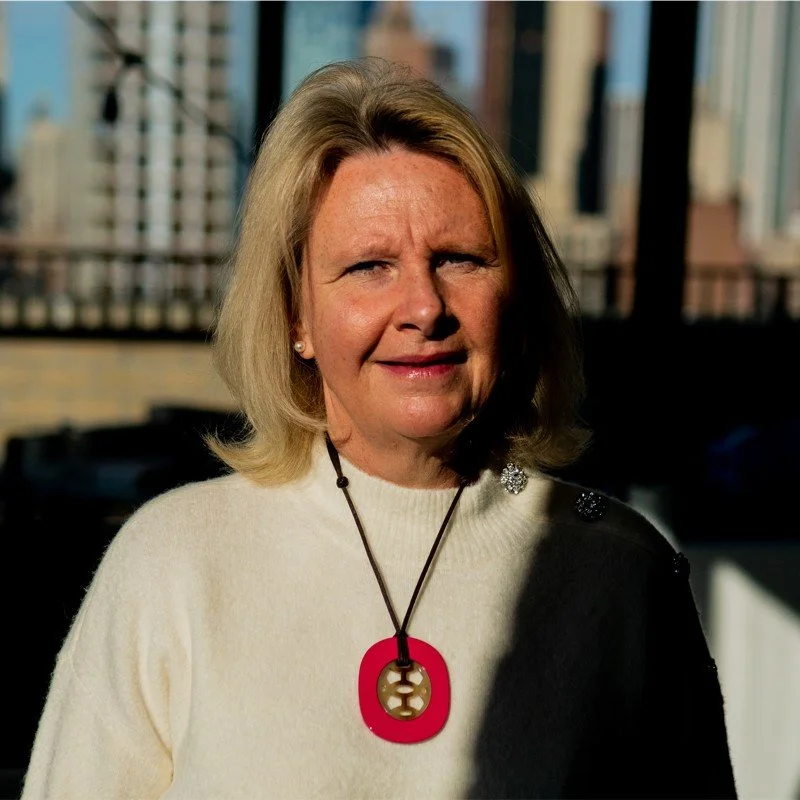

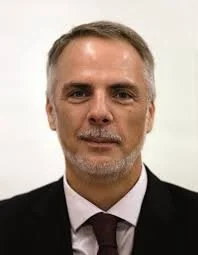

Voices from the Pacific

Tinabora Ioane, i-Kiribati Youth
Tinabora Ioane is a 24-year-old from Tabkea Village on Kiritimati Island. Growing up in a village that was designated for coconut planters and cutters during British colonization, she has a rich familial and cultural history that is deeply intertwined with the island's past. Kiritimati Island has been significantly affected by the British and American nuclear testing programs, which have left lasting impacts on its environment and its people.
Maverick Peter Seda, RTT Pacific
Maverick Peter Seda, an indigenous Pacific Islander from the Solomon Islands, debuted in Kazakhstan with disarmament art from his community, aimed at engaging Kazakh youth and promoting discussions on art’s role in peace advocacy. During his visit, Seda joined a Joint Panel with the Coordination Committee, emphasizing the importance of youth participation in international decisions regarding the International Trust Fund.
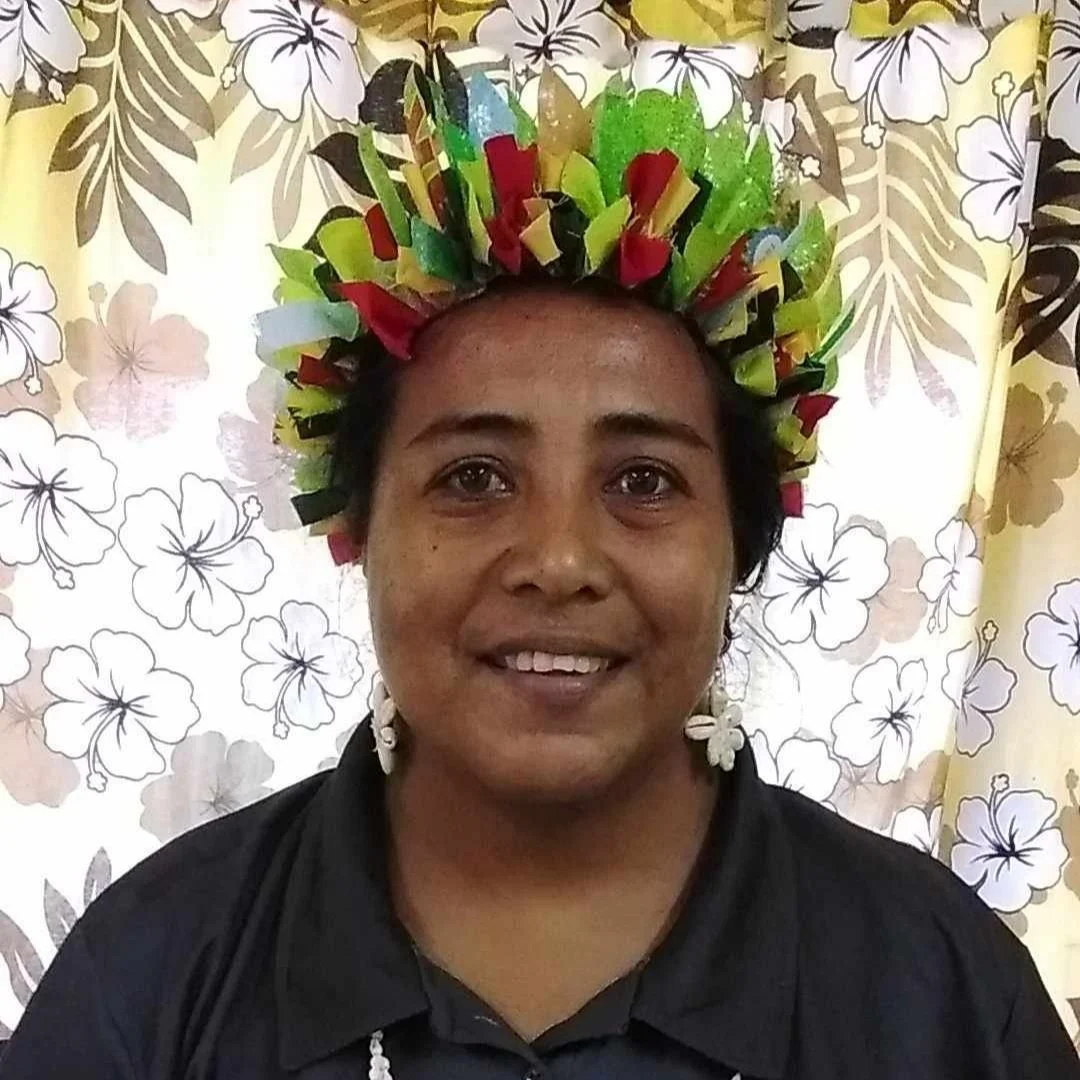
“My message to the international community, and especially for the Pacific States, is to support the TPNW and ratify the TPNW.”
- Maverick Peter Seda
“It has been four generations now and nothing has been done for the affected communities in Kiribati.”
- Ereti Tekabaia
“My message to young people is to not be afraid to raise your voices and concerns to the whole world so that justice can be achieved.”
- Tinabora Ioane
This journey marked a pivotal moment for Pacific nuclear activists, highlighting the importance of cross-cultural solidarity and shared experiences in addressing the legacy of nuclear testing. Engaging directly with Kazakh affected individuals allowed activists to gain firsthand insight into the long-lasting repercussions of these tests on communities, health, and the environment.
The testimonies illuminated not only the personal trauma endured but also the broader socio-economic consequences faced by these communities. Many described the profound loss of land, health issues, and the struggle for recognition and justice. The emotional weight of these stories underscored the necessity of amplifying local voices in discussions about nuclear policy and activism.
Through this initiative, a foundation for ongoing dialogue and collaboration was established, aiming to enhance awareness and drive advocacy efforts against nuclear testing worldwide. This experience reinforced the notion that the fight against nuclear injustice transcends geographical boundaries, bringing together diverse communities affected by similar legacies of harm.

Maverick Peter Seda (left), Christian Ciobau (center left), Brock Walker (center right), and Tinabora Ioane (right) pose for a photo.
Ereti Tekabaia was born and raised in Kiritimati Island. This was her first time in Kazakhstan. She is passionate about community projects, especially for youth. Tekabaia displayed art during the Youth Forum that she collected from her local community’s youth to support disarmament causes and bring attention to the nuclear legacy. Tekabaia is passionate about uncovering the forgotten history of British and American nuclear testing in Kiribati.
Interviews with Our Pacific Participants

Ereti Tekabaia, RTT Advisor
The Heart of the Event: Youth Panels
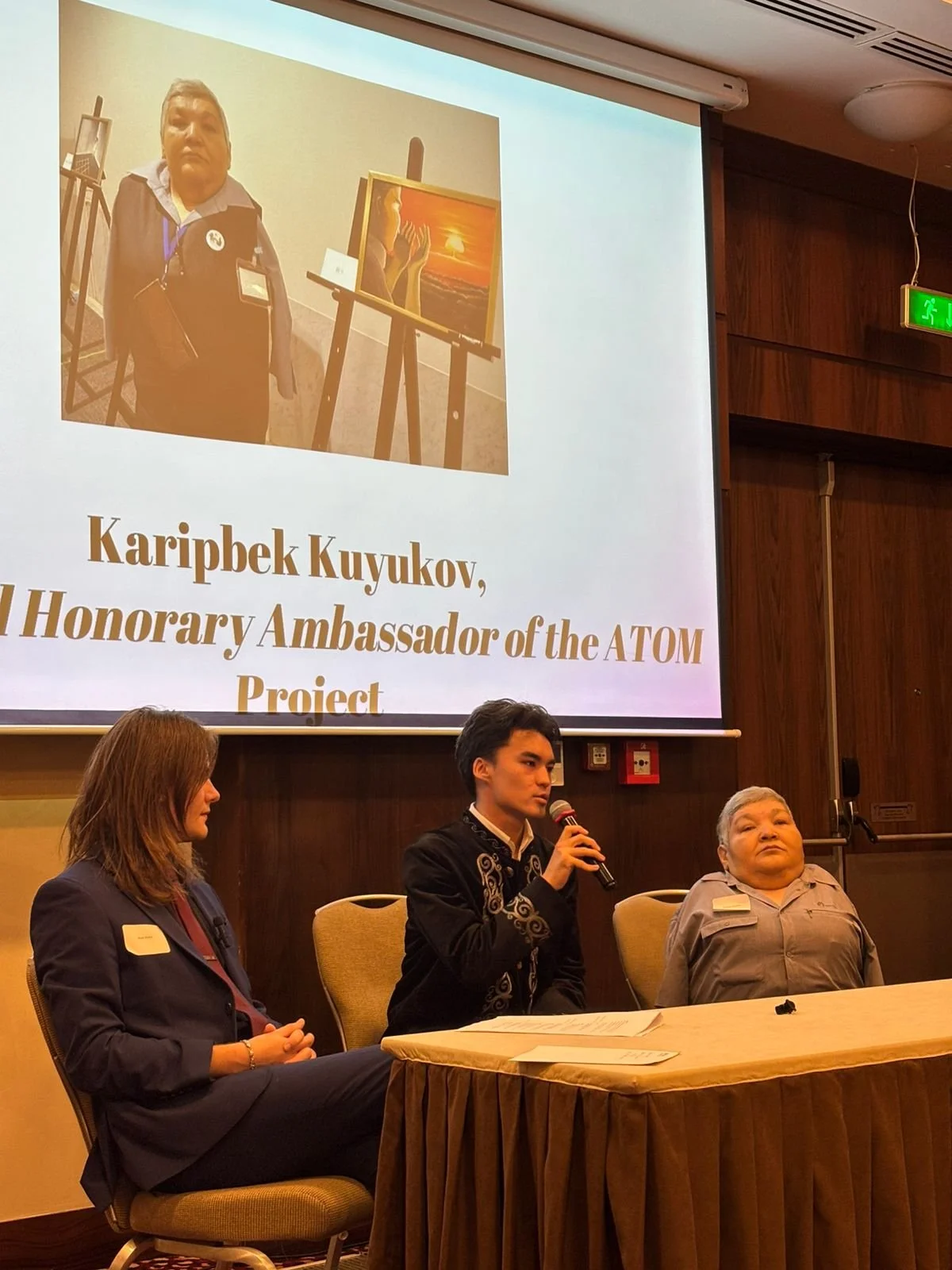
Yerdaulet Rakhmatulla (middle) translates for Karipbek Kuyukov (right) as he answers a question posed by Brock Walker (left).
The first panel of the Youth Forum centered on the historical legacy of the Nevada-Semey movement, aiming to inspire youth in their advocacy for nuclear justice. Brock Walker, Nuclear Justice Campaign Manager at NAPF/RTT, initiated a dialogue with Karipbek Kuyukov, exploring his leadership role in the movement and his collaborations with American activists.
The subsequent panel featured personal testimonies from youth belonging to frontline and affected communities, sharing their aspirations for a Treaty on the Prohibition of Nuclear Weapons (TPNW) International Trust Fund. Moderated by Yerdaulet Rakhmatulla, Co-Founder of the Steppe Organization for Peace (STOP), the discussion included perspectives from Benetick Kabua Maddison, Executive Director of the Marshallese Educational Initiative, Adiya Akhmer of STOP, and youth activist Tinabora Ioane from Kiribati. Insights regarding the impact of nuclear weapons in Kiribati, Kazakhstan, and the Marshall Islands shaped the recommendations for the Youth Declaration.
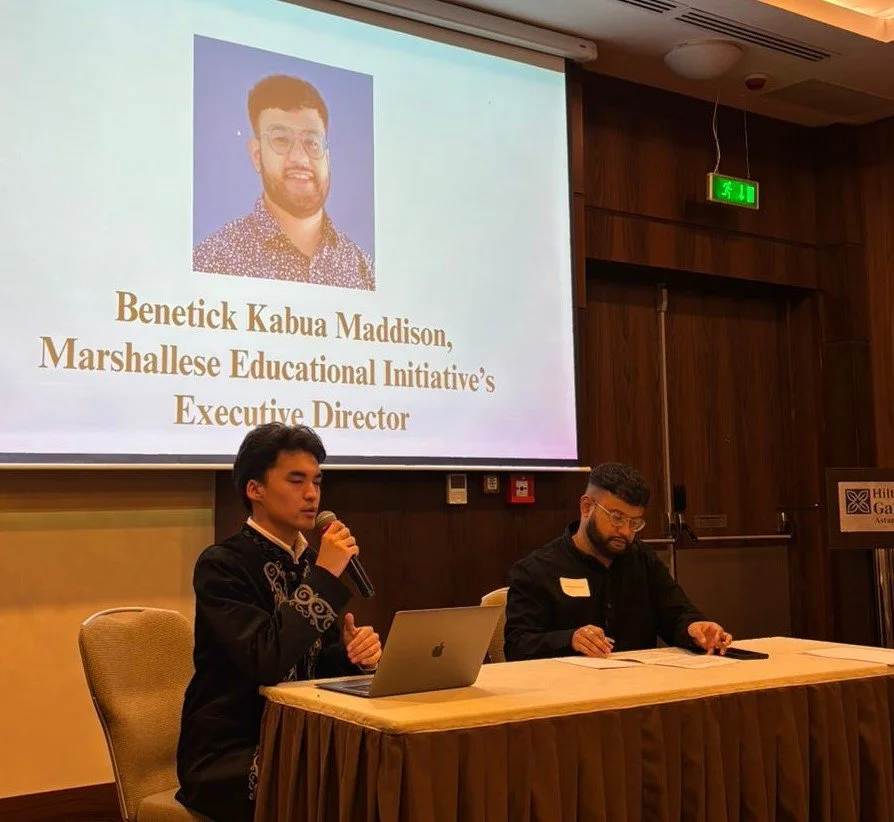
Yerdaulet Rakhmatulla (left) introduces Benetick Kabua Maddison (right) as he shares his family’s personal history with the American nuclear testing program.
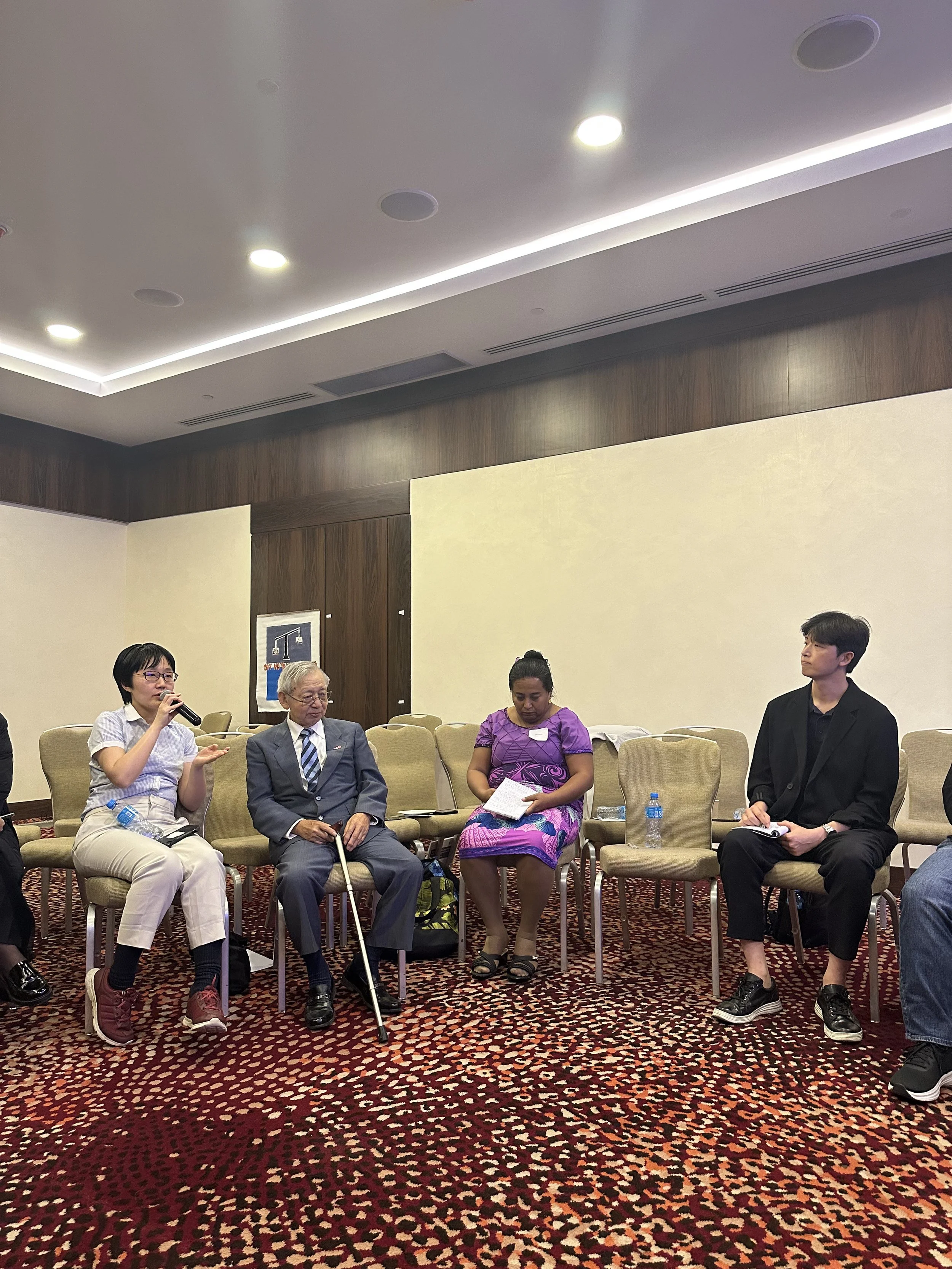
Sueichi Kido (center left) shares his solidarity with third-generation Korean Hibakusha Keunwoo Lee (right).
The Forum concluded with Maverick Peter Seda and Ereti Tekabaia presenting the outcomes of their community collaborations aimed at creating meaningful disarmament art. They emphasized the importance of utilizing artistic expression within the anti-nuclear movement, highlighting its ability to bridge national boundaries.

Interview with Christian N. Ciobanu about Kazakhstan Youth Forum
Adiya Akhmer (right) shares her vision for civil society’s involvement in the management of the trust fund.
Following the panels, participants engaged in an intimate discussion session to express their individual aspirations for nuclear justice and reflect on notable moments from earlier discussions. A significant intergenerational exchange took place when Mr. Sueichi Kido, a Hibakusha who survived the atomic bombing of Nagasaki, shared his experiences. He expressed his happiness in witnessing the ongoing fight for justice carried on by the assembled youth activists.

Benetick Kabua Maddison (left), Tinabora Ioane (middle), and Maverick Peter Seda (right) present art from the Solomon Islands.


RTT’s Nuclear Justice Campaign Manager Brock Walker was instrumental in coordinating and facilitating the panels throughout the day.
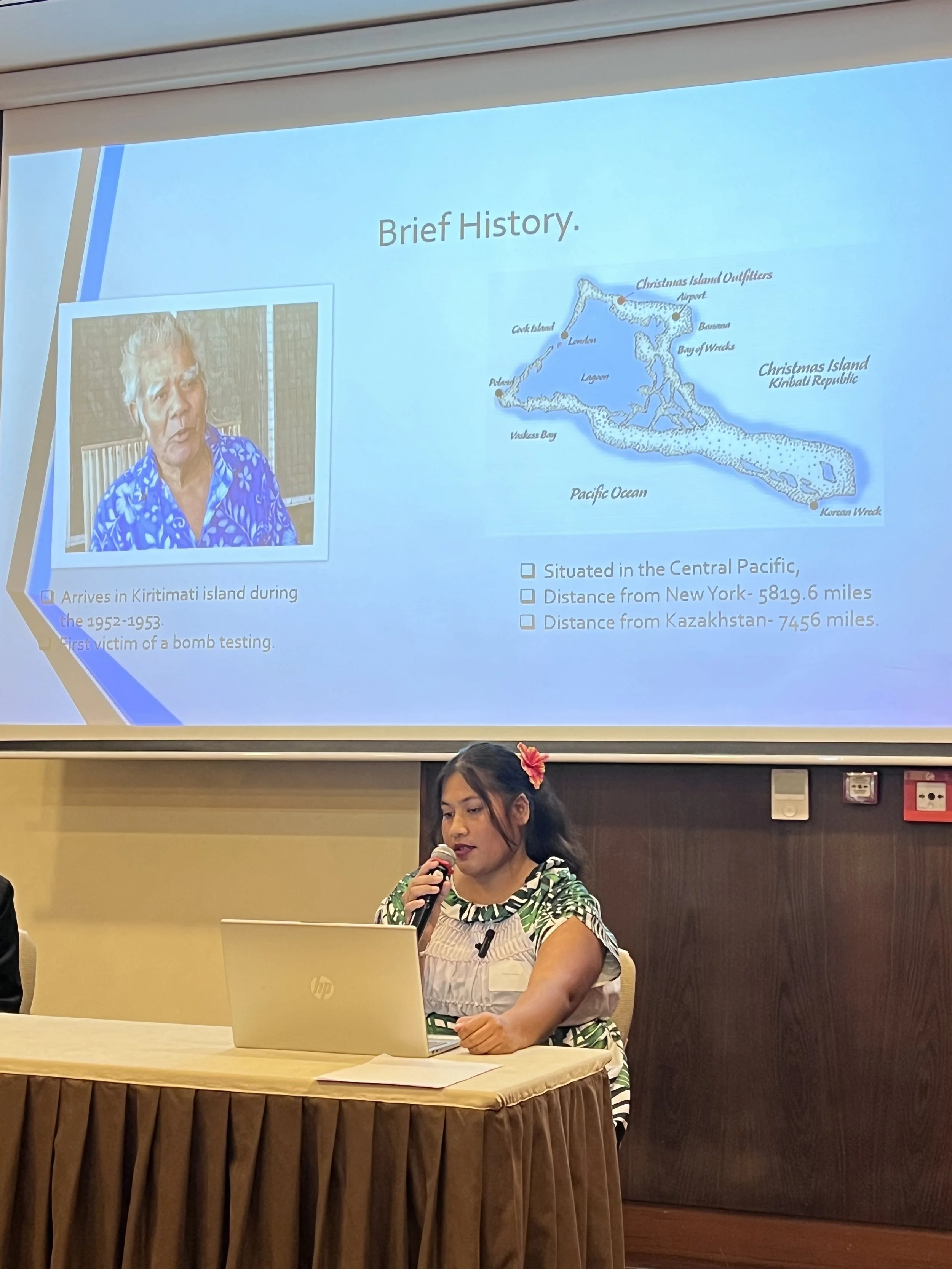
Tinabora Ioane shares the history of British and American nuclear testing in Kiribati.
Participants of the Youth Forum pose for a photo.

Maverick Peter Seda (left), Ereti Tekabaia (center left), Tinabora Ioane (center right), and Christian Ciobanu (right) pose for a photo at the Palace of Peace and Reconciliation.
Interviews with Youth Participants
Interview with Brock Walker about the Youth Forum
Interview with Yerdaulet Rakhmatulla about the the UN Office for Disarmament Affairs’ N.O.N.E. Campaign
Interview with Keunwoo Lee, a third-generation Korean Hibakusha, about his participation in the youth forum.

Press Event and Joint Panel with Coordination Committee

Christian Ciobanu (right) moderates the Press Event by posing questions to the panelists.
The day concluded with two events. The first was a Press Event with speakers from the ICAN - Peace Boat Nuclear Survivors Forum and the Youth Form. The Astana Times reported on the Youth Forum in an article found here.
The second event was the Joint Panel Discussion with members of the TPNW, Coordination Committee, the ICAN - Peace Boat Nuclear Survivors Forum and the Youth Forum.
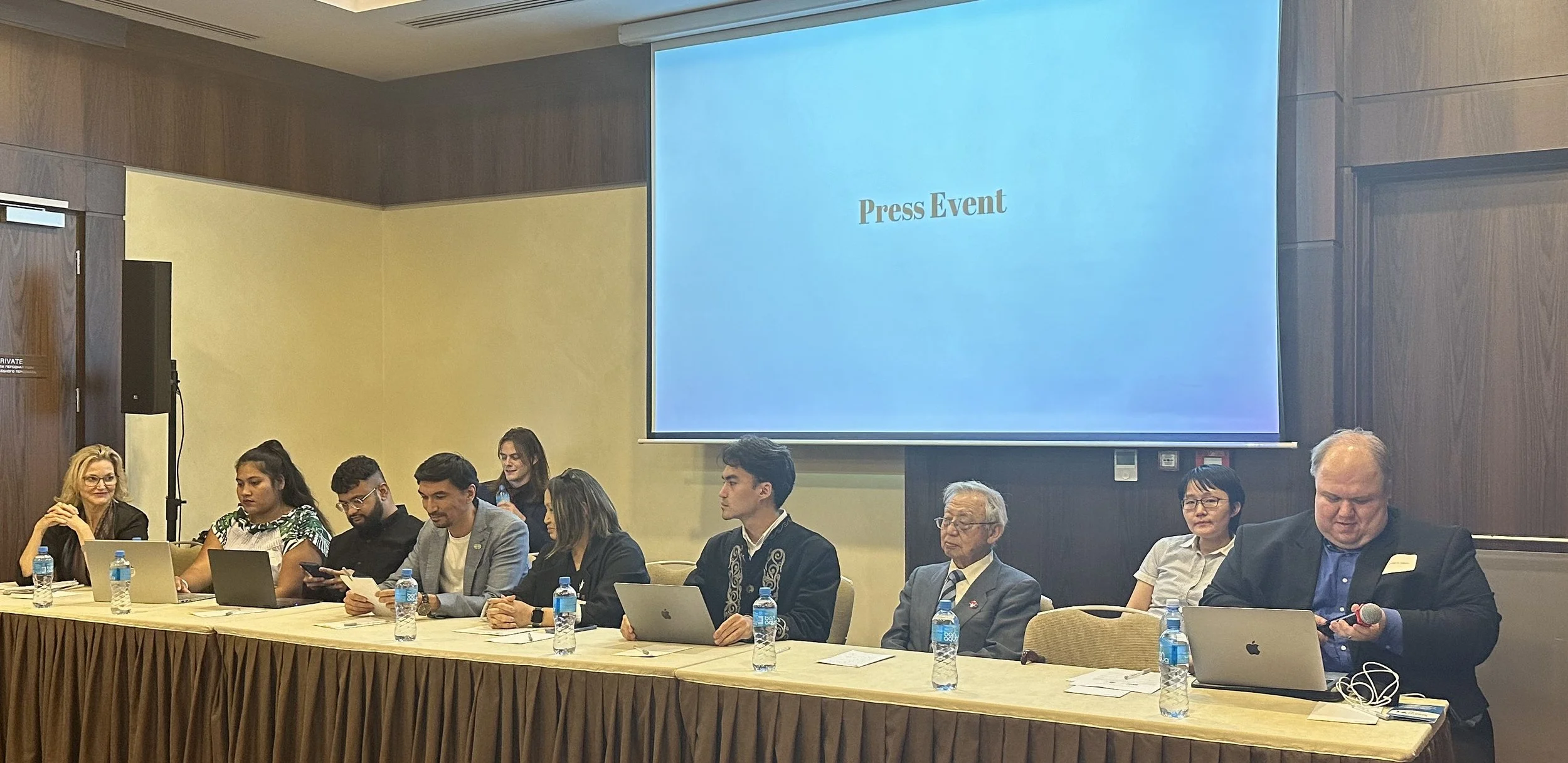
From left to right: Melissa Parke, Tinabora Ioane, Benetick Peter Seda, Alimzhan, Aigerim, Yerdaulet, Sueichi Kido, and Christian Ciobanu gather at the panel to answer questions.
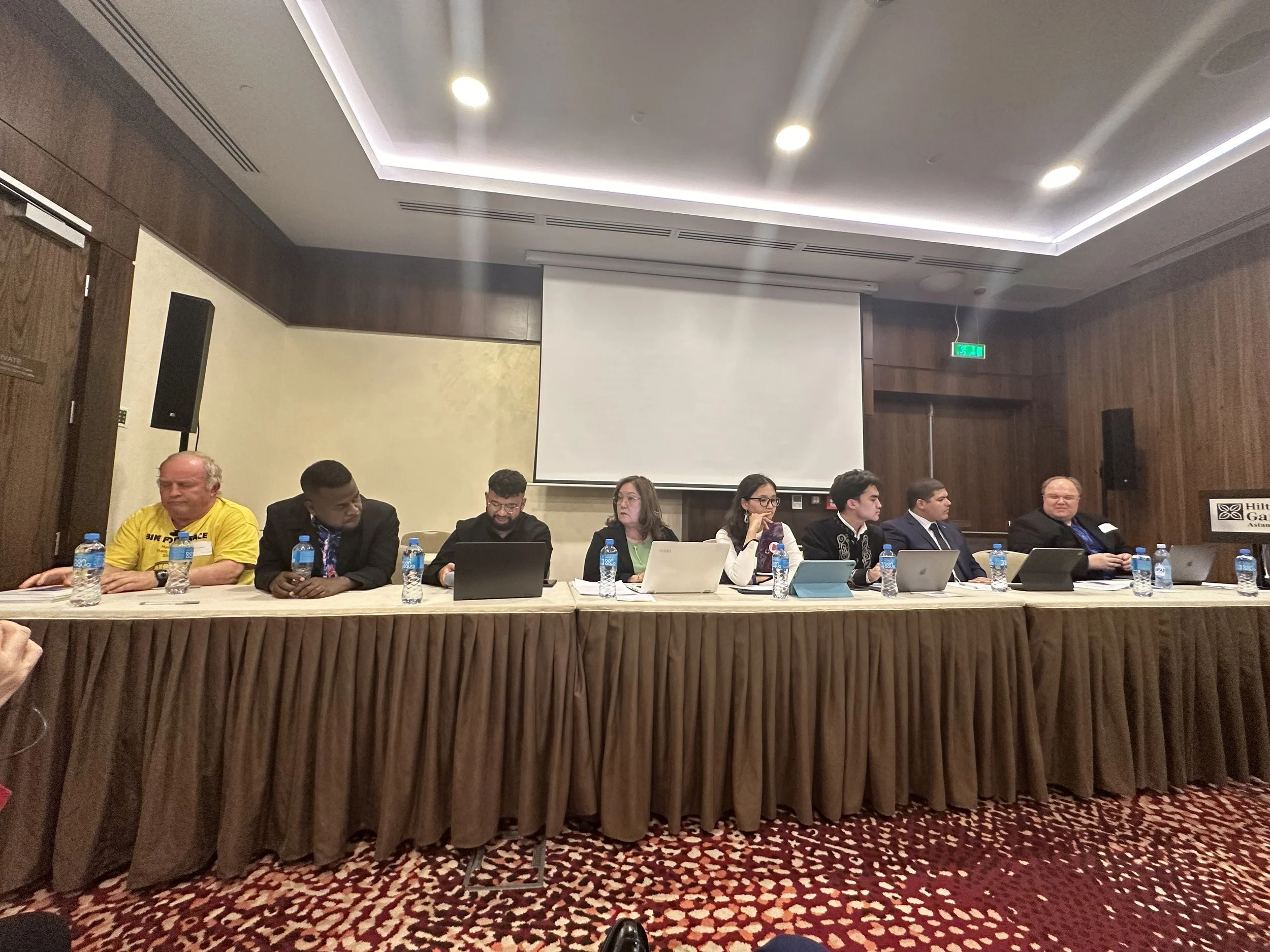
From Left to Right: Tore Nærland, Founder and President, Bike for Peace; Maverick Peter-Seda, Coordinator, Reverse The Trend (RTT) Pacific, Benetick Kabua Maddison, Executive Director, Marshallese Educational Initiative (MEI), Dr. Kaisha Atakhanova, Kazakh Biologist; Social Activist, Adiya Akhmer, Member, Steppe Organization for Peace (STOP), Yerdaulet Rakhmatullah, Co-Founder, Steppe Organization for Peace (STOP), Matías Andrés Eustathiou de los Santos, Second Secretary, Mission of Uruguay, Christian Ciobanu, Policy and Advocacy Director, Nuclear Age Peace Foundation (NAPF); Project Coordinator, Reverse The Trend (RTT); TPNW Advisor, Mission of Kiribati
At the joint panel, Matias Andres Eustathiou de los Santos, Second Secretary of the Mission of Uruguay and Co-Chair of the Universalization Working Group of the TPNW provided a summary about the meeting of the TPNW coordination committee. He focused on the discussions regarding the International Trust Fund (Articles 6 and 7), and dismantlement of nuclear weapons (Article 4)

Yerdaulet Rakhmatulla (center) responds to a question regarding the International Trust Fund.

Melissa Parke (left) answers question regarding the humanitarian implications of nuclear war.
At the joint panel, Dr. Kaisha Atakhanova, a Kazakh biologist and Social activist, provides recommendations about the International Trust Fund