
Kiribati Nuclear Justice Center
Coming soon to Kiritimati, Kiribati
Part of the NAPF-RTT Nuclear Justice Campaign
Overview
The United States and the United Kingdom conducted 33 nuclear tests in the Republic of Kiribati, which caused severe humanitarian and medical problems for the citizens living near the test site. These citizens have yet to receive adequate compensation, and there are also lingering questions about what areas are still contaminated.
To help the citizens of Kiribati, we are planning to establish a Nuclear Justice Center in Kiribati in collaboration with the government and affected communities.
The center will serve as a focal point for the community to gather, discuss, and organize events related to the nuclear legacy and share information about developments linked to victim assistance and environmental remediation efforts, including the Trust Fund. The stories shared by survivors and their descendants will be placed in an archive accessible to the citizens and the general public. The Nuclear Justice Center will serve as a meeting place, where survivors and their families will also receive information from the Ministry of Foreign Affairs (MFA) on developments related to the trust fund and engage in dialogue with representatives of the Kiribati government.
On this page, we will present a brief overview of Kiribati, the legacy of nuclear testing, and more information about the proposed nuclear justice center.
Kiribati’s Background
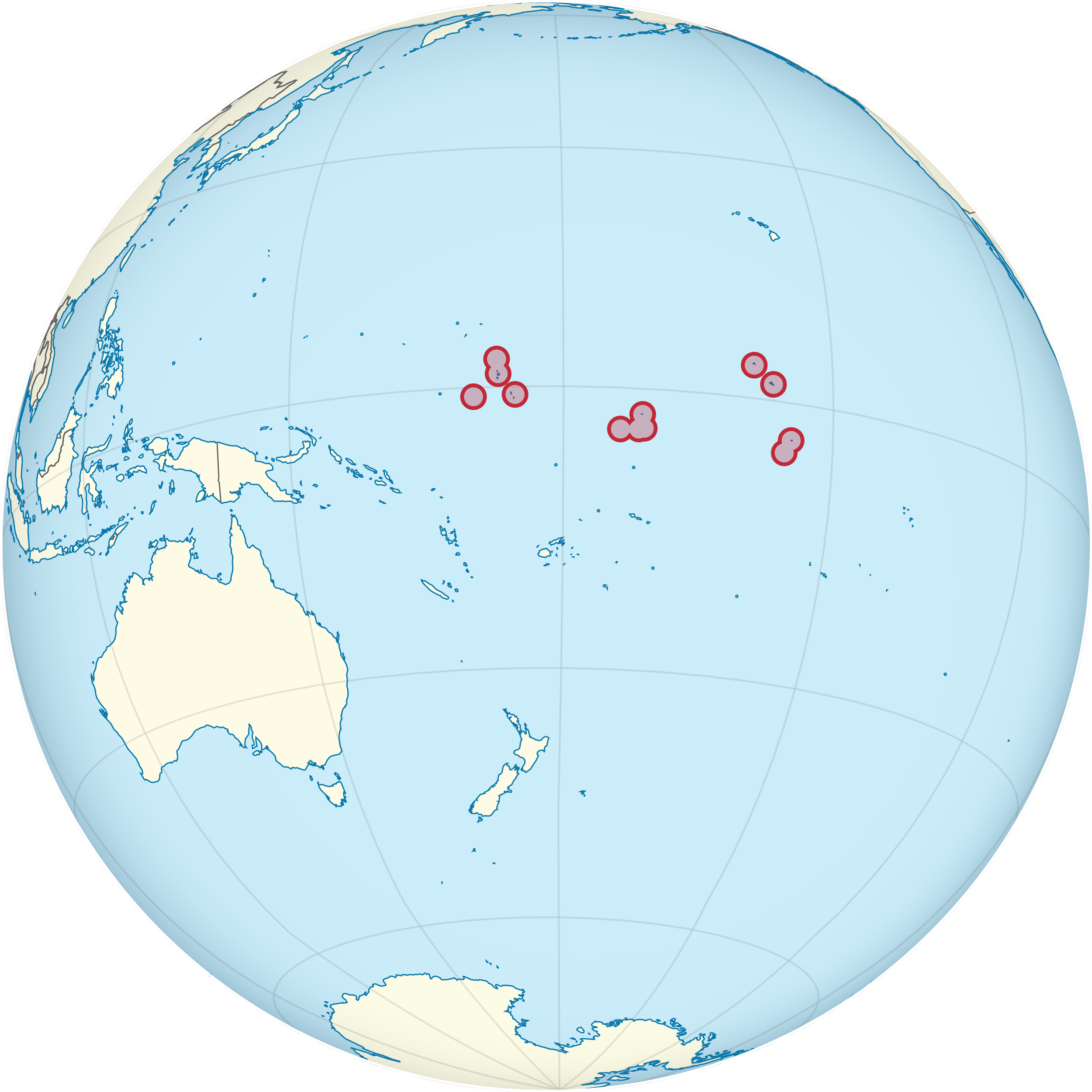
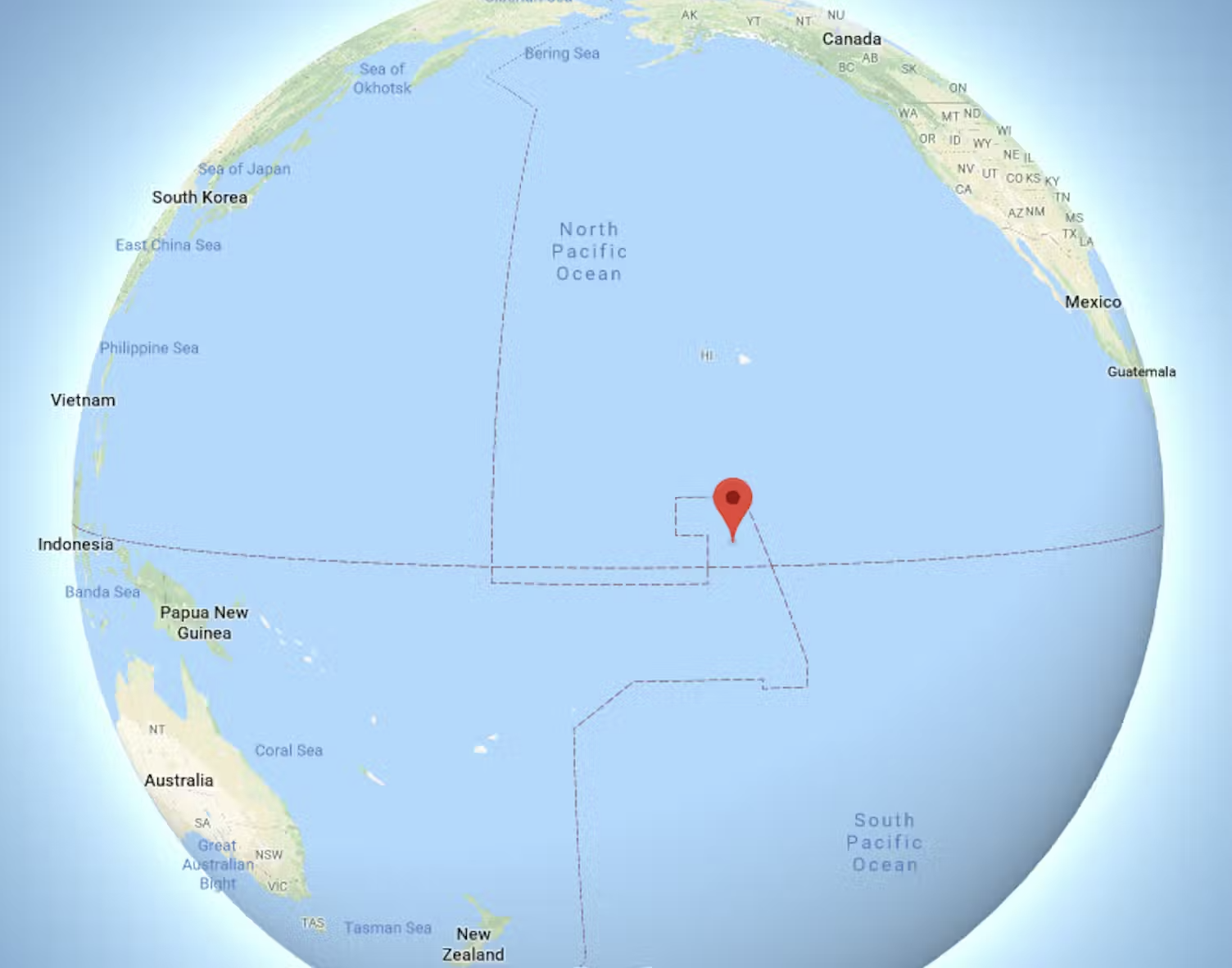
The Republic of Kiribati is an island country in the Micronesia subregion of Oceania, located in the central Pacific Ocean. Its permanent population is over 119,000 as of the 2020 census, with more than half of the citizens living in the capital Tarawa. The state comprises 32 atolls and one remote raised coral island, Banaba. Its total land area is 811 km2 (313 sq mi) dispersed over 3,441,810 km (1,328,890 sq mi) of ocean.
Kiribati gained its independence from the United Kingdom (UK), becoming a sovereign state in 1979. The capital, South Tarawa, now the most populated area, consists of a number of islets connected by a series of causeways. These islets comprise about half the area of Tarawa Atoll. Fisheries and the export of copra drive much of the economy. Kiribati is one of the least developed countries in the world and is highly dependent on international aid for its economy.
Kiritimati’s Background
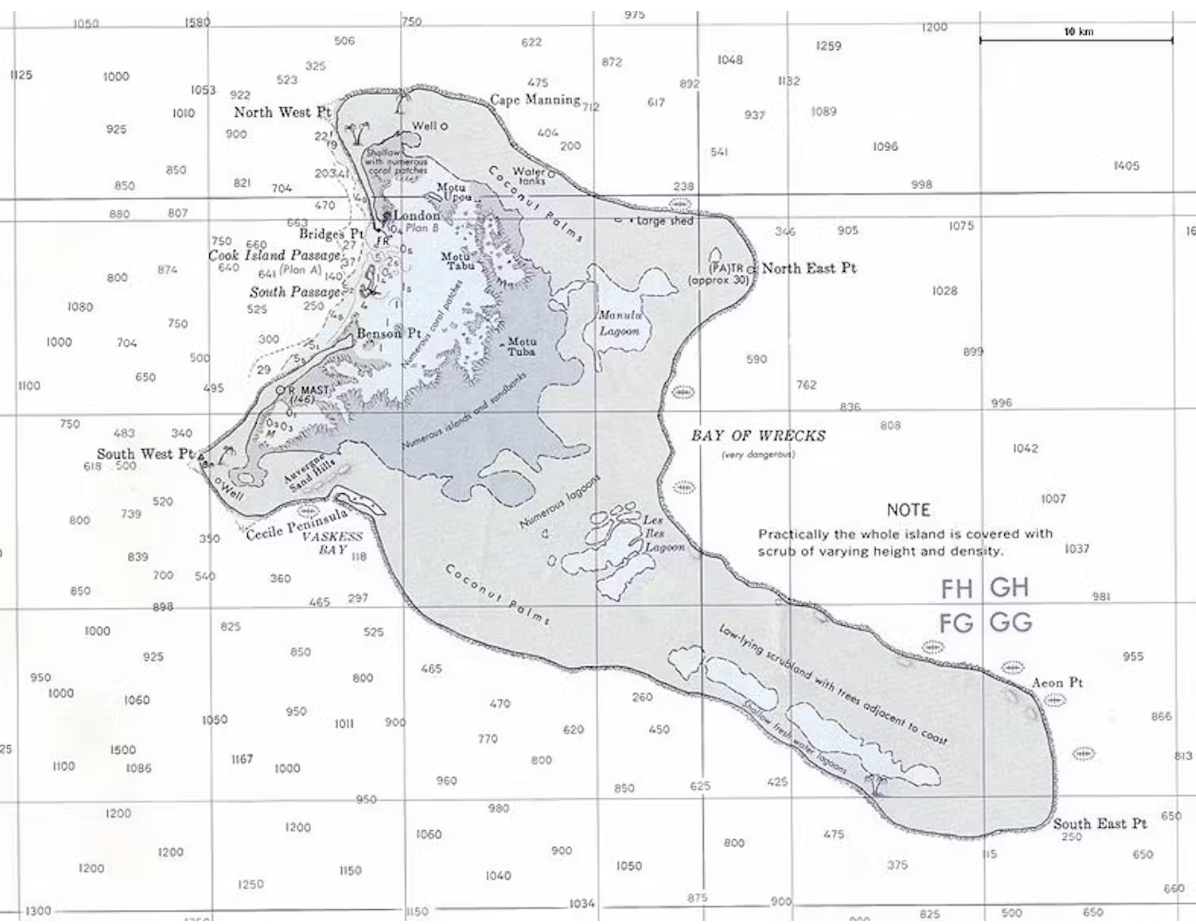
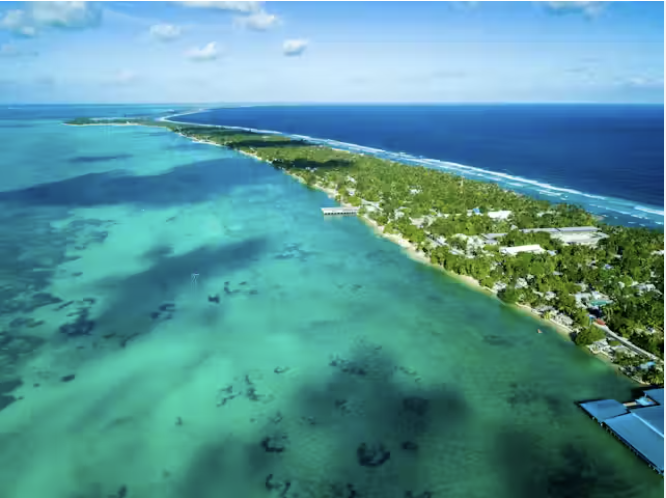
Kiritimati Island, also known as Christmas Island, is a Pacific Ocean atoll in the northern Line Islands of the Republic of Kiribati. Kiritimati is one of the world's largest atolls in terms of land area, consisting of about 312.38 km2 (120.61 sq mi) of land area and a 328 km2 (127 sq mi) network of lagoons. The atoll is about 150 km (93 mi) in perimeter, while the lagoon shoreline extends for over 48 km (30 mi). Kiritimati comprises over 70% of the total land area of Kiribati, a country encompassing 33 Pacific atolls and islands.
Kiribati’s Nuclear History
Atomic History
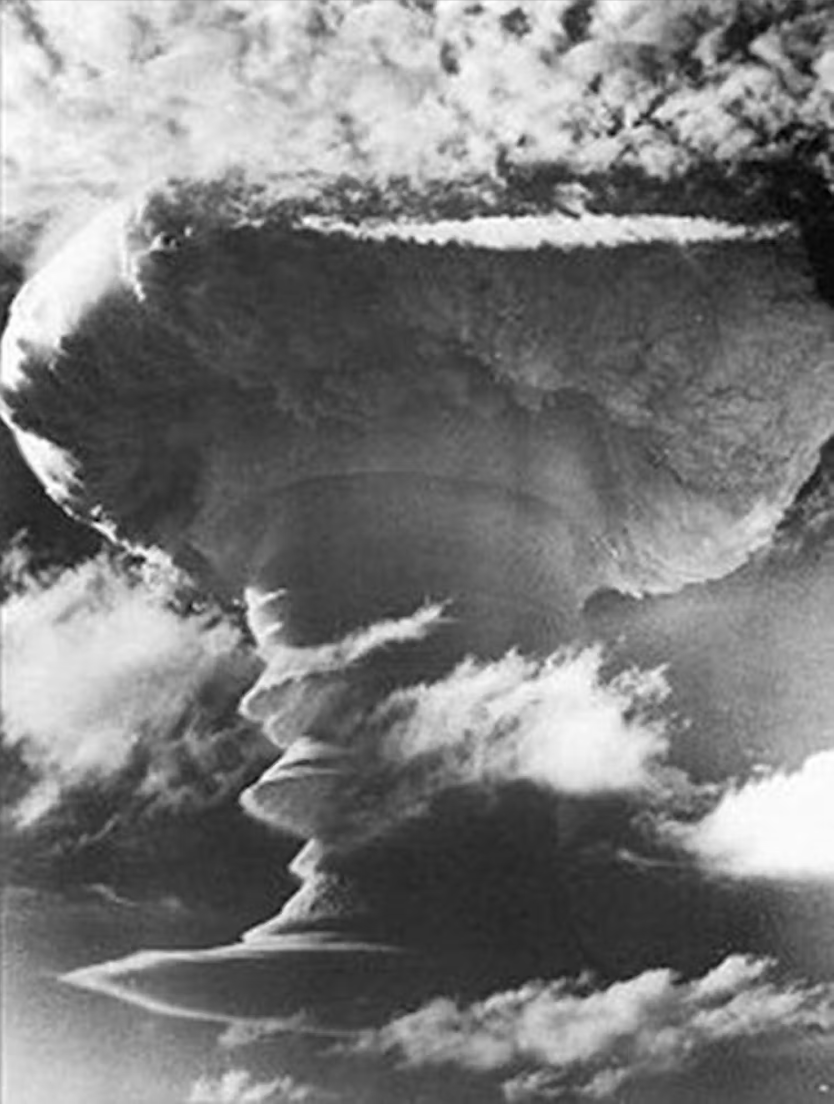
Kiribati was used as a nuclear weapons testing ground at the height of the Cold War. During Operation Grapple, between May 1957 and September 1958, the UK tested nine thermonuclear weapons in Kiribati, six of them on Kiritimati Island. At the time, a population of about 500 people was living in Kiritimati. In 1962, the UK cooperated with the United States (US) on Operation Dominic, undertaking a further 24 detonations on Kiritimati. As a result of the nuclear testing, the people of Kiribati, including children and grandchildren of the victims, continue to suffer from the lingering effects of nuclear testing. This is also true of the veterans who were stationed in Kiribati to monitor the nuclear tests.
Humanitarian Impact of Nuclear Testing
Exposure to Citizens of Kiribati
The 500 i-Kiribati residents living on Kiritimati Island were exposed to radioactive fallout from the 30 tests launched from the island or conducted over or near it. Most of the inhabitants, if not all, had a limited understanding of the harmful effects that nuclear explosions could have on the environment and human health, including radiation impacts. In a series of interviews conducted by Dr. Becky Alexis-Martin, one of the participants recalled that “the islanders were taken to a boat to watch a Disney film to distract them during one test, and that they were also told to gather on a tennis court covered by a tarpaulin for another. The locals were terrified.”
Exposure to Veterans
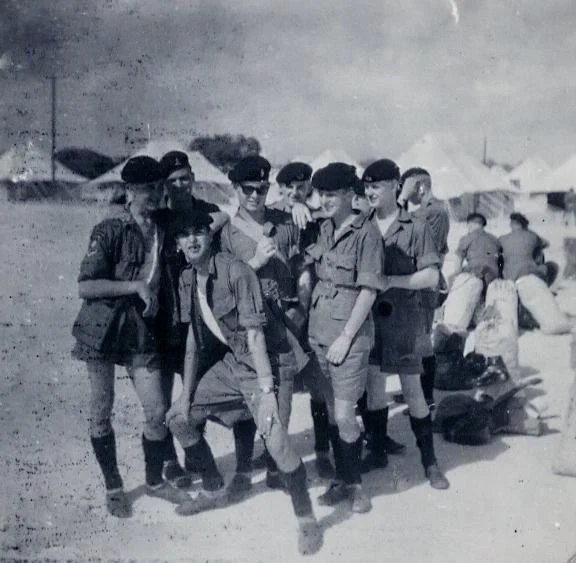
The United Kingdom and the United States stationed around 43,000 personnel to monitor the UK and US nuclear weapons tests in and around Kiribati. Some of them were Pacific Islanders (Fijians and New Zealanders), while others were UK and US nationals. Many veterans developed cancers and suffered from post-traumatic harm.
UK’s Alleged Reconnaissance and Assessment
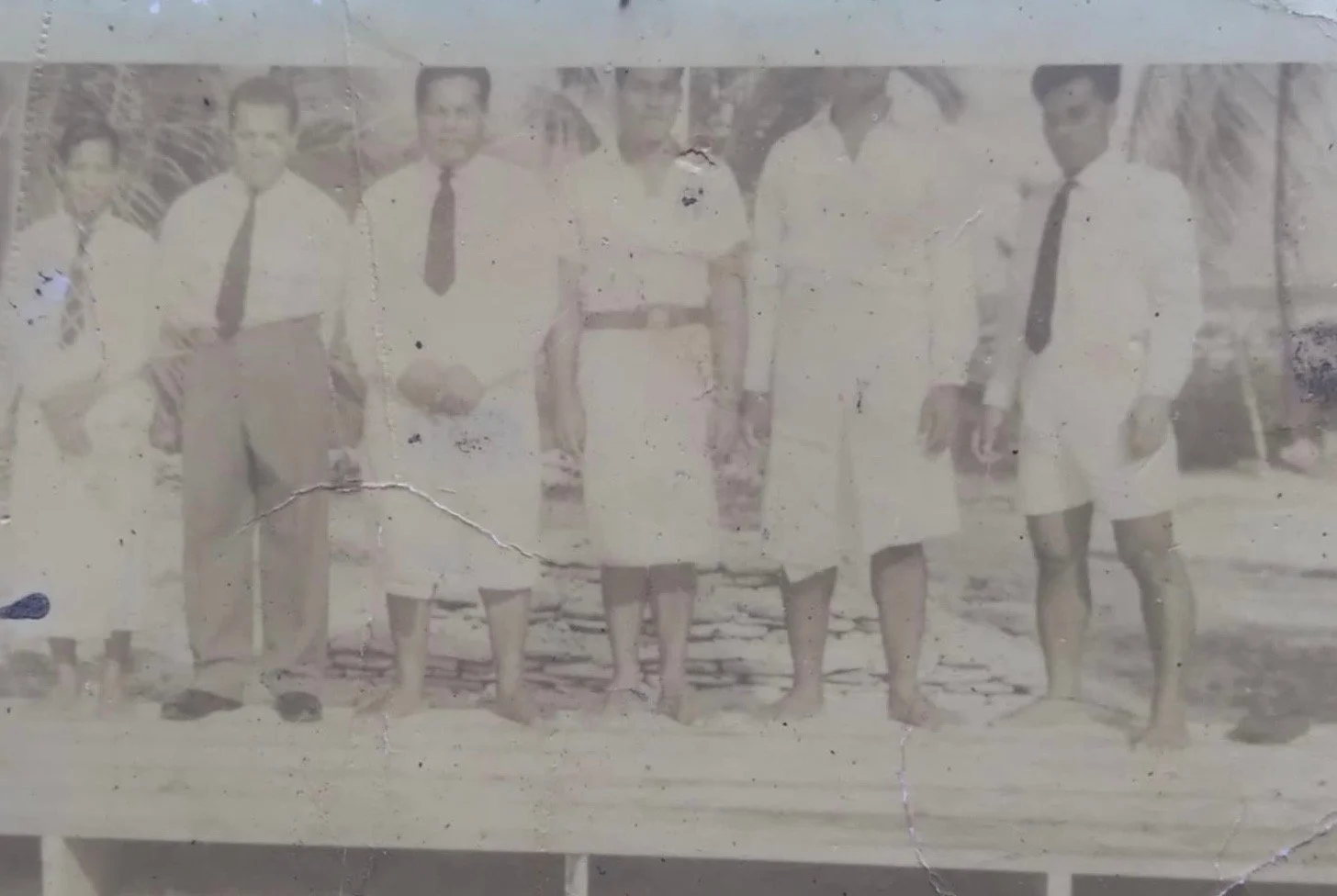
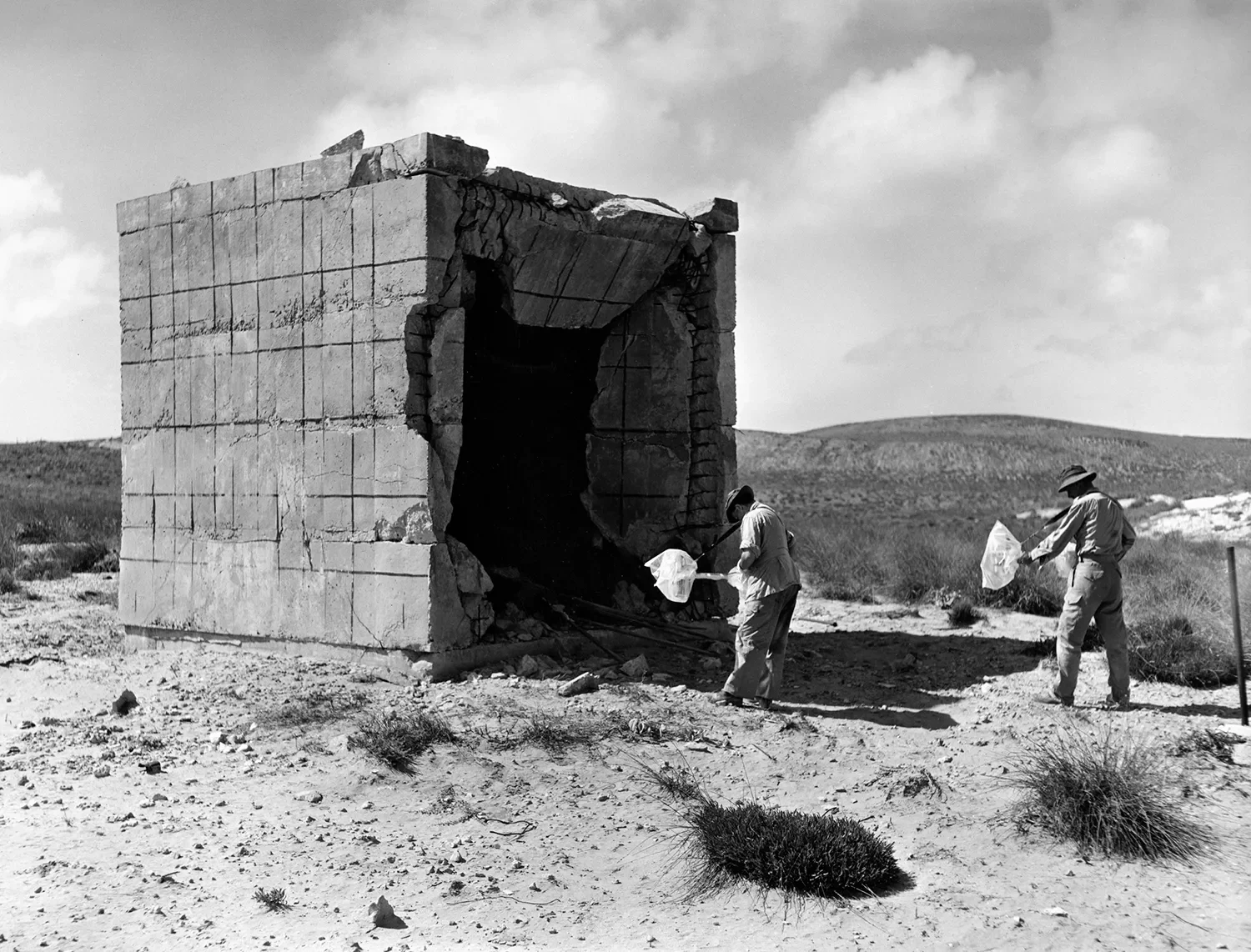
In 2023, alongside the Republic of Kazakhstan, another state impacted by nuclear weapons testing by the former Soviet Union, Kiribati spearheaded a resolution in the United Nations General Assembly (UNGA) on addressing the legacy of nuclear weapons. The 2023 version of the resolution called on states to share their views on this resolution. The UK did so, discussing specifically its engagement on addressing the nuclear legacy of Kiribati. As explained in the United Kingdom’s response to the 2023 UNGA Resolution on Addressing the Legacy of Nuclear Weapons, the UK Ministry of Defense conducted a specialist reconnaissance survey on Kiritimati Island in September of 1998 to identify the types and quantities of contamination. The survey included an assessment of environmental risks arising from the island’s use as a base for the United Kingdom’s nuclear test programme in the late 1950s and early 1960s. Moreover, between 2005 and 2008, radioactive and non-radioactive materials were removed. However, the details of the survey and the removal of the materials remain classified. Thus, it has been nearly impossible for Kiribati to independently verify the UK’s claims.
Kiribati Nuclear Justice Center
Implementation Stages
Given the refusal of the UK and the US to address the dark legacy of nuclear testing in Kiribati and the lack of attention by the media, there is a strong need to raise and amplify the voices of affected communities from Kiritimati and educate the general public about this history and the current status. We seek to do this by establishing a Nuclear Justice Center on Kiritimati Island.
-
We will conduct preliminary interviews with the first-generation survivors, descendants, and local leaders in Kiritimati.
We will hold dialogue sessions to listen to community needs and gather consent for oral history collection.
We will strive to develop trust with local families, churches, and schools to ensure deep cultural sensitivity and inclusion.
An agreement will be created between the community and NAPF and RTT to ensure that the community's views are respected and provide safeguards to avoid any type of exploitation.
The community will select a Kiribati youth to serve as a young spokesperson for the project. The spokesperson will work directly with Maverick-Peter Seda.
-
We will establish formal connections with veteran organizations in the UK, US, New Zealand, and the Pacific.
We will also identify Pacific Islanders who served in military units and have been affected and collaborate with them on joint advocacy and education programs.
-
We will request the local communityto select the site for the nuclear justice center.
-
To raise awareness about the legacy of nuclear weapons in Kiribati, there will be a coordinated campaign between survivors of nuclear tests in the U.S., Kiribati, and youth from States that have historically supported victim assistance provisions.
In solidarity, a social media campaign will be launched, which will be initiated by young people from the Pacific, Kazakhstan, Nevada, Utah, and Canada to underscore the urgent need for the international community to address the legacy of nuclear weapons with the goal of developing an International Trust Fund for victim assistance.
-
Once the site is secured, Maverick-Peter Seda, a youth coordinator of RTT Pacific, and Christian N. Ciobanu, who serves as Director of Policy and Advocacy of NAPF, TPNW Advisor of Kiribati, and RTT Project Coordinator, will travel to Kiritimati, Kiribati.
In Kiritimati, they will convene a special commemorative event in collaboration and closely guided by the local community of Kiritimati. The event will include: veterans organizations, nuclear test survivors and key governmental officials from across the Pacific whose States have been impacted by the nuclear testing.
-
Immediately following this event, there will be a focused discussion facilitated by the MFA of Kiribati, NAPF and its youth initiative, RTT on the need for Pacific states to support the TPNW and the International Trust Fund. An agreed upon location for the event will be decided upon by all partners involved as well as the date for the event. It is foreseen that this event may take place while the team is in Kiribati.
-
In the lead-up to the commemorative event, a PR team will be established to begin raising awareness about Kiribati’s legacy of nuclear weapons. A local task force in Kiribati will be established. In addition, a young activist named Rooj Ali who is affiliated with both NAPF and RTT will help advise the taskforce on utilizing social media and help disseminate information through international media outlets.
Representatives of the Pacific media will be invited to the commemorative event and a special press conference. At the press conference, both local community officials, the MFA of Kiribati, and Maverick-Peter Seda will deliver remarks on the urgent need for Pacific states to unite on the legacy of nuclear testing by supporting the international trust fund.
The media will also be invited to interview the survivors and their families. Ereti will be the designated individual to handle media requests to the local community to ensure that the voices of the local community members are heard and avoid any type of tokenism or exploitation.
-
To ensure the sustainability of the effort, NAPF, RTT, the local community members, and the MFA will collaborate to establish a nuclear task force that would be in charge of the center and continue to disseminate information about the survivors and the trust fund.
● The committee will provide periodic updates to NAPF and RTT.
● NAPF and RTT will invite members of the committee to international conferences relating to nuclear justice at the United Nations and help organize side events in New York for them to share their information with diplomats.
-
After several months of operation, the potential task force will be in charge of selecting a group of i-Kiribati youth and survivors to travel to New York to the International Meeting on Victim Assistance and Environmental Remediation to share their testimonies and hold the Nuclear Weapon States accountable for their actions.
Nuclear Justice Center Events
Events at the Nuclear Justice Center will be displayed here when available.
Events coming soon!
Our Team
-
Maverick Peter Seda
Principal Lead
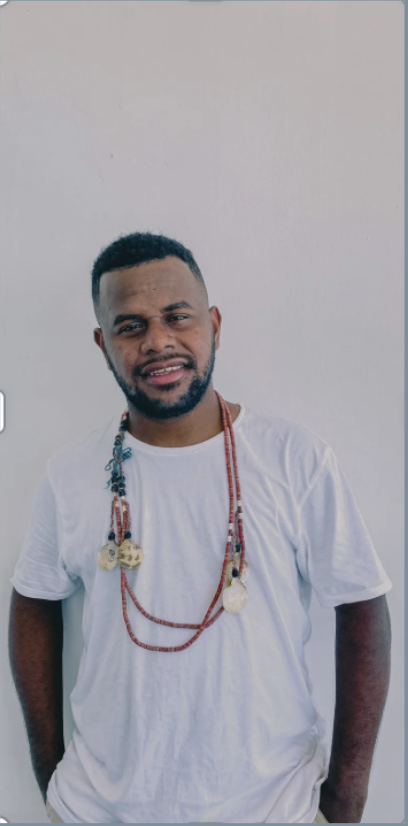
RTT Pacific Chapter Coordinator, Maverick Peter Seda, is an indigenous Pacific Islander from the Solomon Islands pursuing his studies at the University of the South Pacific, Solomon Islands campus. In addition to Maverick’s academic endeavors, he is actively involved with youth groups and Civil Society Organizations. His work primarily focuses on advocating for and lobbying the Solomon Islands Government on issues that are significant to the people of the Solomon Islands and the broader Pacific Island community. Maverick is the recipient of the Ploughshares Nuclear Futures Fellowship Program.
-

Christian N. Ciobanu
Supervisor/Lead Adviser
To ensure that Kiribati’s MFA is involved in this project, the lead advisor will be Christian N. Ciobanu, the Policy and Advocacy Director of NAPF and the Project Coordinator of RTT, who serves as the TPNW Advisor for the Mission of Kiribati. He was appointed as the TPNW Advisor by the President of Kiribati after consultations with key members of Kiribati’s government. In this capacity, Christian provides guidance to the Permanent Representative of Kiribati to the United Nations on the implementation of Articles 6 and 7 of the TPNW, including the establishment of a trust fund and nuclear disarmament provisions in the Nuclear Non-Proliferation Treaty. He is also a co-penholder of the First Committee resolution on addressing the legacy of nuclear weapons with Kazakhstan. He has over a decade of experience in the field of nuclear disarmament and nonproliferation. Ciobanu holds a MA in Nonproliferation and Terrorism from the Middlebury Institute of International Studies and a MA in Political Science from the Geneva Graduate Institute of International and Development Studies.
-
Ivana Nikolić Hughes
Adviser
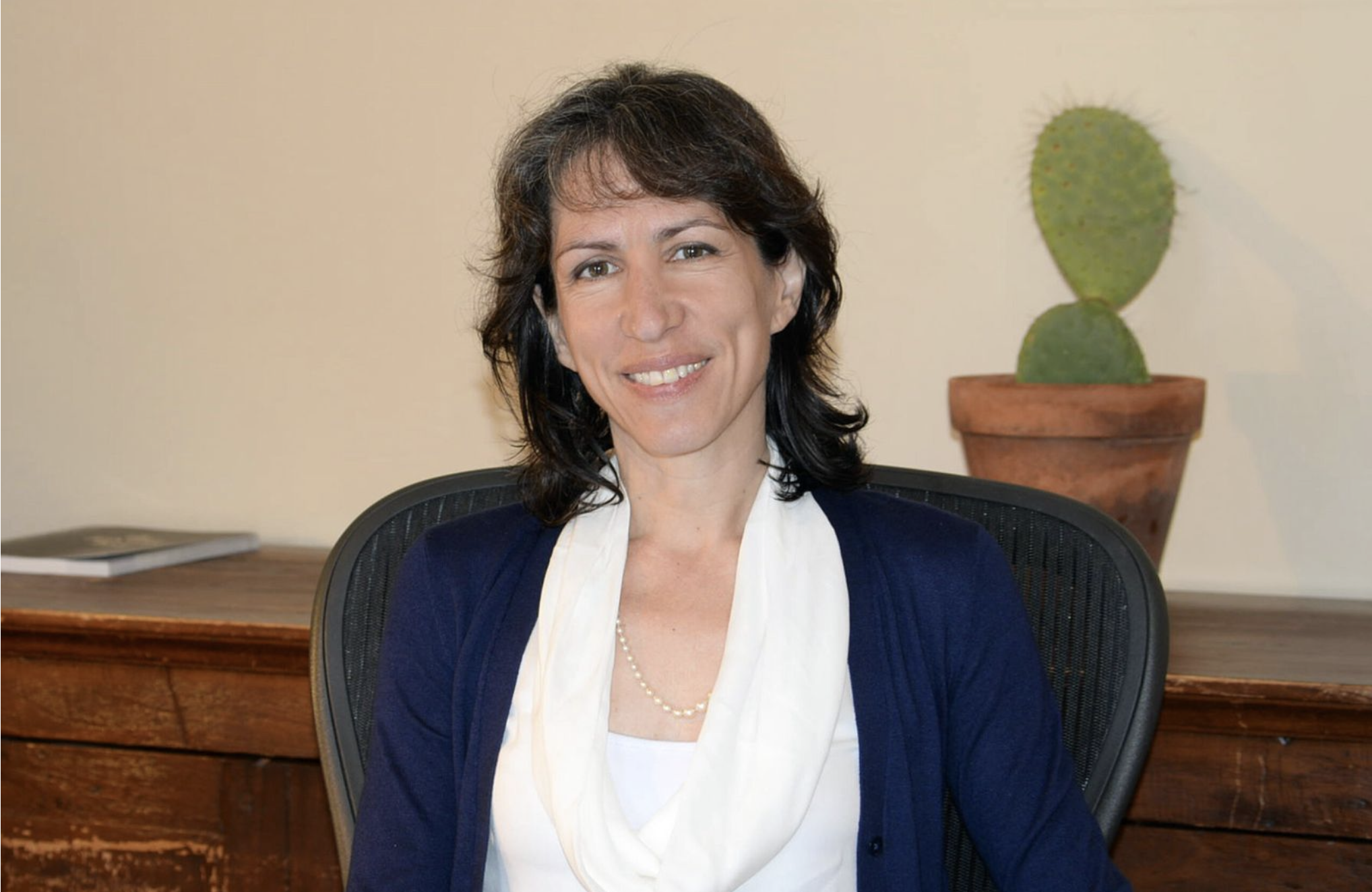
Dr. Ivana Nikolić Hughes is President of the Nuclear Age Peace Foundation and a Senior Lecturer in the Discipline of Chemistry at Columbia University. She holds a BS with Honors from Caltech, where she studied chemical engineering and completed her Senior Thesis with Prof. Frances Arnold, the first American woman to win a Nobel Prize in Chemistry. Dr. Hughes obtained her PhD from Stanford University, where she was an American Heart Association Predoctoral Fellow. She has been a faculty member at Columbia University since 2008 and was awarded the Lenfest Distinguished Columbia Faculty Award for 2020. Her work on ascertaining the radiological conditions in the Marshall Islands has been covered widely. Dr. Hughes currently serves as a member of the Scientific Advisory Group to the Treaty on the Prohibition of Nuclear Weapons, a committee consisting of 15 experts from around the world who advise the states parties on scientific issues as they pertain to the treaty. Her writing has appeared in The Nation, Bulletin of the Atomic Scientists, The Hill, Scientific American, Truthout, Common Dreams, Transcend Media Service, The Diplomat, and elsewhere.
-
Ereti Tekabaia
Tourism Authority of Kiribati, Kiritimati Island Head
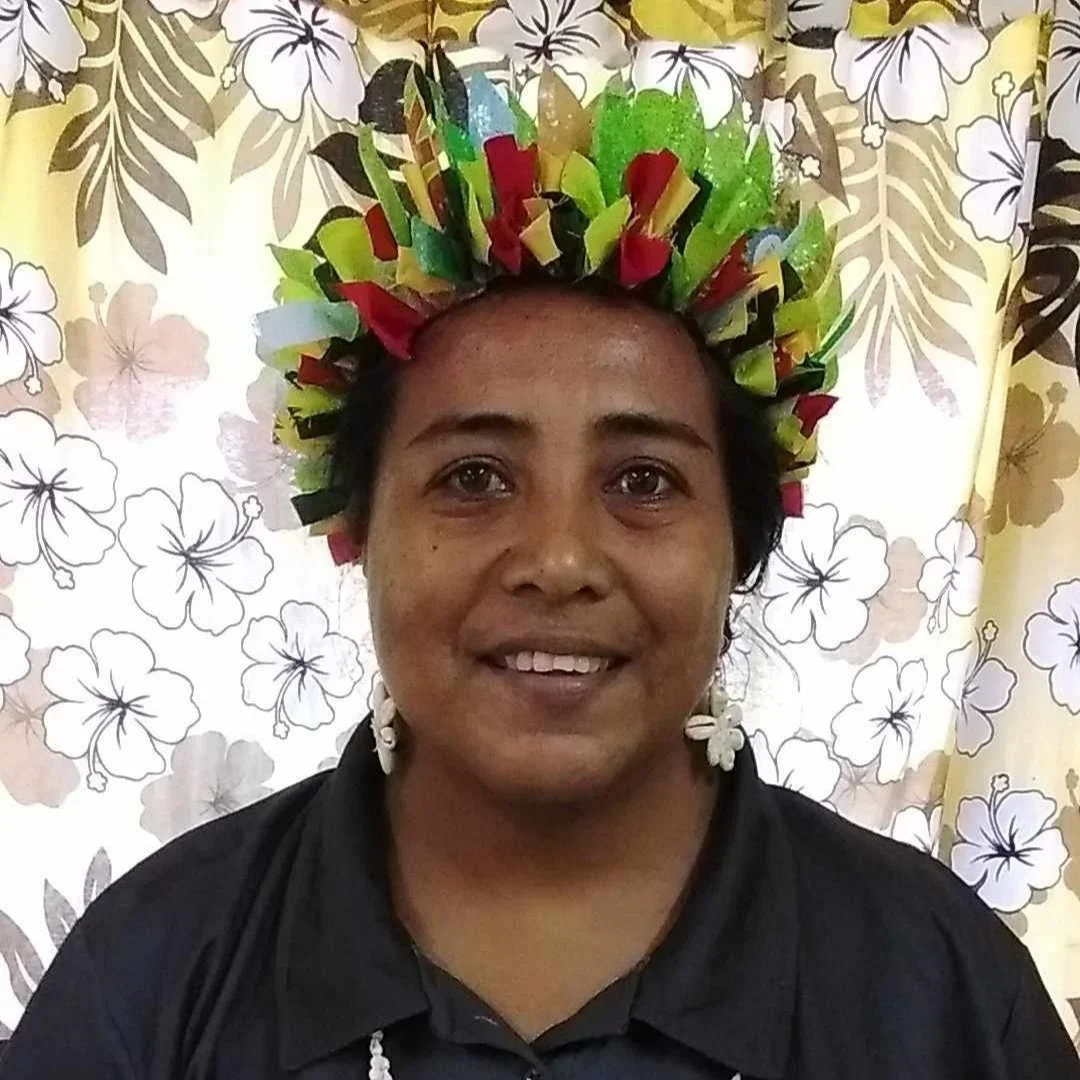
Ereti Tekabaia was born and raised in Kiritimati Island. She is currently working at the Tourism Authority of Kiribati as the head of its subdivision based in Kiritimati Island and looks after tourism development and management in the Line & Phoenix Islands. Ereti loves working with the communities and on community projects, especially with the youth. Ereti played a significant role in the establishment of the Environment Youth Club in Kiritimati in 2009, a sister organization of the Environment Youth Club based in Tarawa, the capital of Kiribati.
-

Tyler Barrett
RTT Policy and Advocacy Assistant
Tyler Barrett is a rising junior at Columbia University studying Political Science. He serves as the Advocacy and Development Assistant for the Nuclear Age Peace Foundation’s youth initiative, Reverse the Trend. Tyler has attended the 2025 Third Meeting of States Parties and the 2025 NPT Preparatory Committee.
-

Rooj Ali
RTT Youth Mentor and RTT Canada Youth Coordinator
Rooj Ali is currently a third-year undergraduate student at the University of Toronto, studying Peace Conflict & Justice as well as History. She is a youth co-chair of the Youth Nuclear Peace Summit and a youth coordinator for Reverse the Trend Canada (RTTC). She has taken part in various events and projects including the launch of Reverse the Trend: Save Our Planet, Save Our People, where she is a coordinator. Rooj is a member of the Canadian Council of Young Feminists and previously held an internship as a Manitoba High School Liaison in Senator Marilou McPhedran’s office, where both projects overlap. She co-led her city’s successful Campaign for the ICAN Cities Appeal in 2021 and completed a summer internship with the International Physicians for the Prevention of Nuclear War Canada. Rooj attended the Hiroshima G7 Youth Summit as a Canadian delegate and will be continuing her activities on the Cities Appeal and youth engagement with RTTC following the youth summit. She seeks to create positive contributions toward the advancement of nuclear disarmament and youth-led initiatives.
Our Advisers
-
Dr. Becky Alexis-Martin
Adviser
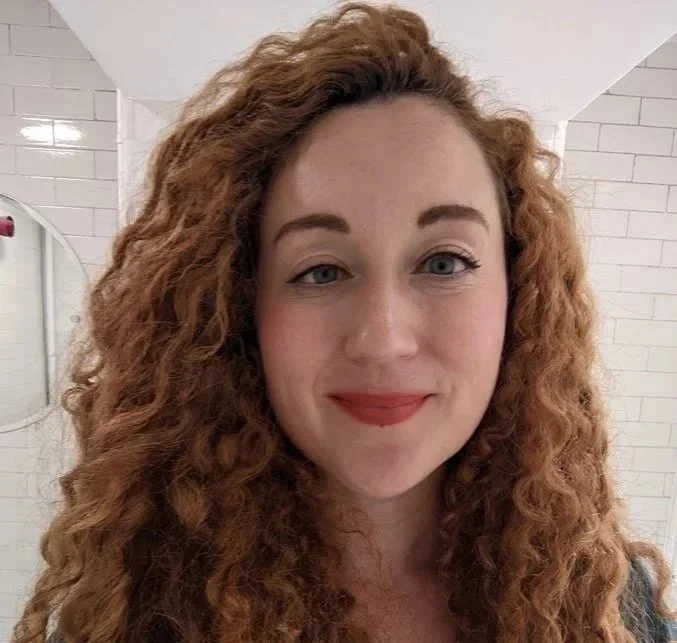
Dr Becky Alexis-Martin is a University of Bradford Lecturer. She joined academia after a successful prior career in emergency management. Her research arises at the point where peace, science and technology, humanitarian aid, justice, and human rights coalesce. Her research has tackled challenges including: modelling the behaviours of city-dwellers during nuclear events, understanding the lives of nuclear test veterans and their families, exploring the afterlives of nuclear bunkers, writing on the lived experiences of those scarred by nuclear accident and warfare, sharing the aesthetics of 1950s atomic America, and identifying the humanitarian and environmental needs of local nuclear weapons test affected communities worldwide. Her first monograph, "Disarming Doomsday: The Human Impacts of Nuclear Warfare", was the recipient of the L.H.M. Ling Outstanding First Book Prize.
-
Joshua Cooper
Adviser
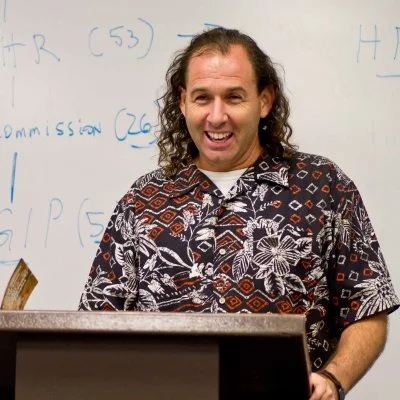
Joshua Cooper has been serving as a trainer at DTP for over a decade. Joshua teaches at the University of Hawaii and is currently the Director of the Hawaii Institute for Human Rights and CEO of the GOOD Group. He also served as the co-Chair for the Universal Periodic Review (UPR) Task Force at the US Human Rights Network and a steering committee member at the U.S. Human Rights Cities Alliance. Joshua teaches for DTP on Indigenous peoples' rights; UN Human Rights Mechanisms (including the UPR); the UN Sustainable Development Goals (SDGs) and their Voluntary National Review process; climate change and the Nationally Determined Contribution process; and Business and Human Rights.
-

Mary Dickson
Adviser
Award-winning writer/playwright Mary Dickson is an American downwinder and thyroid cancer survivor from Salt Lake City, Utah who is an internationally recognized advocate for radiation-exposed individuals who have suffered due to harms they endured from nuclear weapons testing in the U.S. She has written and spoken widely about the human toll of nuclear weapons testing at conferences, symposia, and forums in the U.S. as well as in Japan. Exposed, her play combining her own experience with powerful documentation, received critical acclaim when it premiered in Salt Lake City, Utah.
-
Ben Donaldson
Adviser
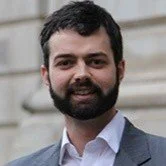
Ben Donaldson is a freelance researcher and advocacy expert with an extensive background in nuclear disarmament advocacy and successful campaigns to strengthen UN processes. He is the coordinator of 1 for 8 Billion - the campaign widely credited with transforming the Secretary-General selection process, an editor of Blue Smoke - the civil society watchdog on UN senior appointment practices, a reporter for Lex International on nuclear security issues and the lead researcher for a Saferworld project on the financing of UN counterterrorism activities. He was formerly the Head of Campaigns at UNA-UK and received a distinction for his Masters dissertation on the environmental and human cost of Britain’s nuclear testing in Kiribati.
-
Alan Owen
Adviser
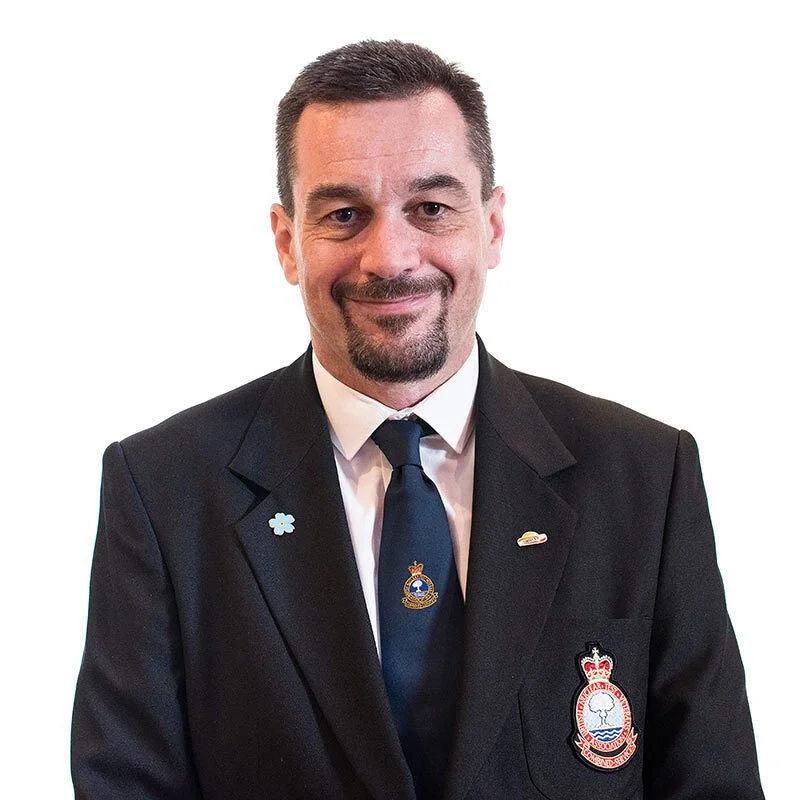
Alan Owen is a descendant of nuclear veteran James Ronald Owen, who served during Operation Dominic in 1962 at Christmas Island. He is the founder of LABRATS, an international organization representing nuclear veterans, scientists, civilians, and their families across the world who have been affected by the nuclear testing program. LABRATS works to educate the public about the history and consequences of nuclear testing while fostering a global community for those impacted. As the former Chair of the British Nuclear Testing Veterans Association (BNTVA), Alan has collaborated with experts, advocates, and policymakers to document the experiences of veterans and affected communities, promote recognition, and advance justice initiatives.
Our Partners
-
UNA-UK
Founded in 1945, United Nations Association – UK, or UNA-UK, is a charity that builds movements, provides expert insight, and designs campaigns dedicated to promoting human rights, peace and security, and UN reform. Our work links the local, the national, and the global and centres grassroots power at the heart of all we do.
-
LABRATS
LABRATS represents nuclear veterans, atomic veterans, scientists, civilians, and their families across the world who have been affected by the Atomic / Nuclear Testing program. We are one big family, connected with one common bond. Through our Associate membership and Annual reunion, we offer comradeship to our Atomic Family.
-
Association of Cancer Patients Affected by British and American Nuclear Bomb Testing
The Association of Cancer Patients Affected by the British and American Bomb Tests is a group formed by survivors of nuclear testing, particularly in the Pacific Islands, who have experienced cancer and other illnesses due to radiation exposure. They seek compensation, medical support, and environmental rehabilitation for those affected by the tests.