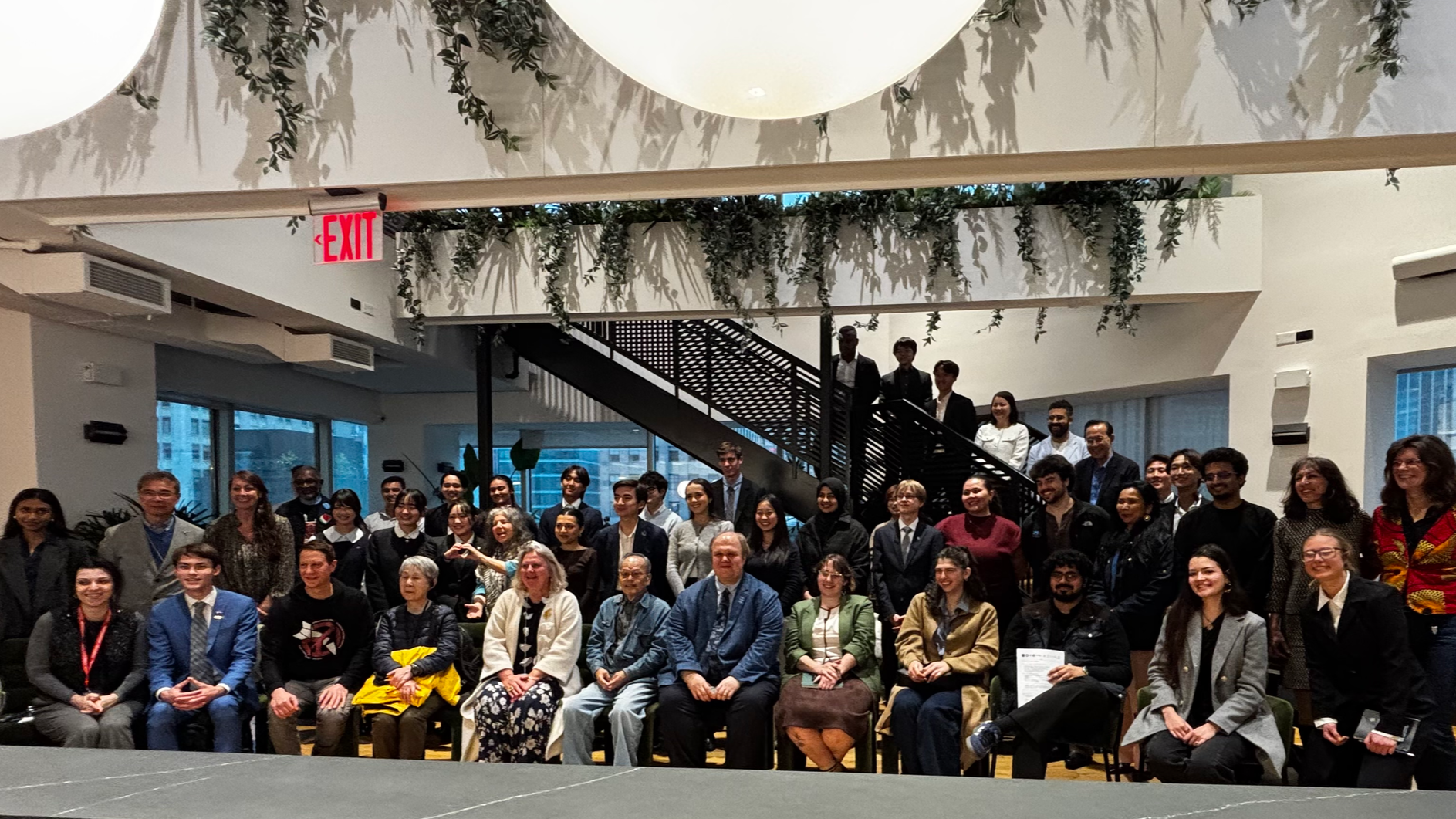
2026 International Youth Nuclear Disarmament Summit
A space led by global leaders, activists, and visionaries to drive practical change towards a nuclear weapons-free world.
Overview
On April 25, 2026, global youth delegates gathered for the International Youth Nuclear Disarmament Summit for an afternoon of dialogue on nuclear disarmament, survivor testimony, and the Treaty on the Prohibition of Nuclear Weapons (TPNW). The program opened with remarks from diplomats, peace organizations, and youth representatives, followed by a panel featuring Hibakusha testimony and reflections from international humanitarian and disarmament experts. A subsequent discussion focused on the relationship between the TPNW and the NPT, before participants moved into breakout sessions exploring feminist approaches to disarmament and the role of art and survivor advocacy in advancing nuclear justice.
The event was co-sponsored by the Nuclear Age Peace Foundation (NAPF), its youth initiative Reverse The Trend (RTT), Soka Gakkai International, Office of Senator Marilou McPhedran of Manitoba, Hiroshima and Nagasaki Peace Messengers, Peace Boat US, Qazaq Nuclear Frontline Coalition, Youth for TPNW, and Association Katawara.
Following the summit, the participants produced a declaration, which called governments, international organizations, civil society, and all relevant stakeholders to:
Reaffirm the commitment to the complete elimination of nuclear weapons through concrete, time-bound, and verifiable measures.
Reduce immediate nuclear risks by strengthening safeguards against accidental or intentional use.
Revitalize multilateral disarmament diplomacy, especially within the framework of the NPT and related international processes.
Recognise the harm already caused by nuclear weapons to the environment and affected communities. In this regard, we call for all NPT States Parties to support references to the legacy of nuclear weapons in the outcome document and support the International Meeting on Victim Assistance and Environmental Remediation
Call for Renewed Commitments by the Middle Power States, especially Canada and Japan, in addressing the harm caused by nuclear weapons
Request all States to support an International Trust Fund on Victim Assistance and Environmental Remediation
Advance transparency and accountability regarding nuclear doctrines, arsenals, and modernization programs.
Center the humanitarian consequences of nuclear weapons in all policy discussions through the inclusion of the perspectives of affected communities and survivors.
Ensure meaningful youth participation in disarmament, peace, and security forums at local, national, and international levels.
Invest in peace education, dialogue, and international cooperation so that future generations may inherit a more secure world.
In addition, as youth delegates and advocates, the participants commited to:
Raising awareness in our schools, communities, and institutions about the dangers of nuclear weapons.
Building cross-border solidarity among young people working for peace and justice.
Promoting dialogue, education, and public engagement on disarmament issues.
Supporting survivors’ voices and the lived testimony of affected communities.
Holding leaders accountable for promises made in the name of peace and international security.
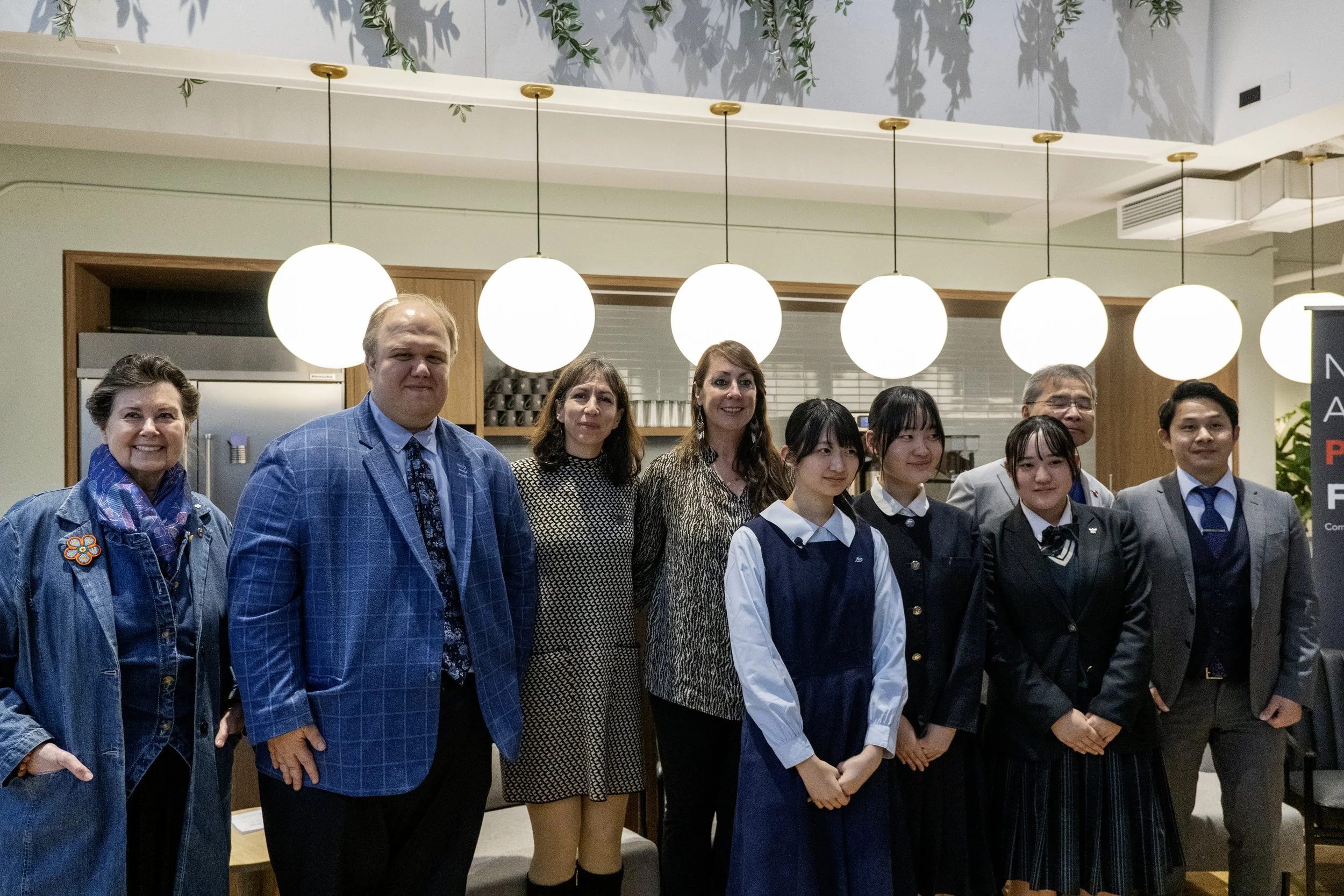
Opening Remarks
Powerful opening remarks were given Dr. Ivana Nikolic Hughes (President of Nuclear Age Peace Foundation), Senator Marilou McPhedran, Rinka Teramoto and Rio Shimoda (Hiroshima and Nagasaki Peace Messengers), Emilie McGlone (Executive Director, Peace Boat US), Yuta Takashi (Representative of Association Katawara), Hayato Sadavrati (Soka Gakkai International).
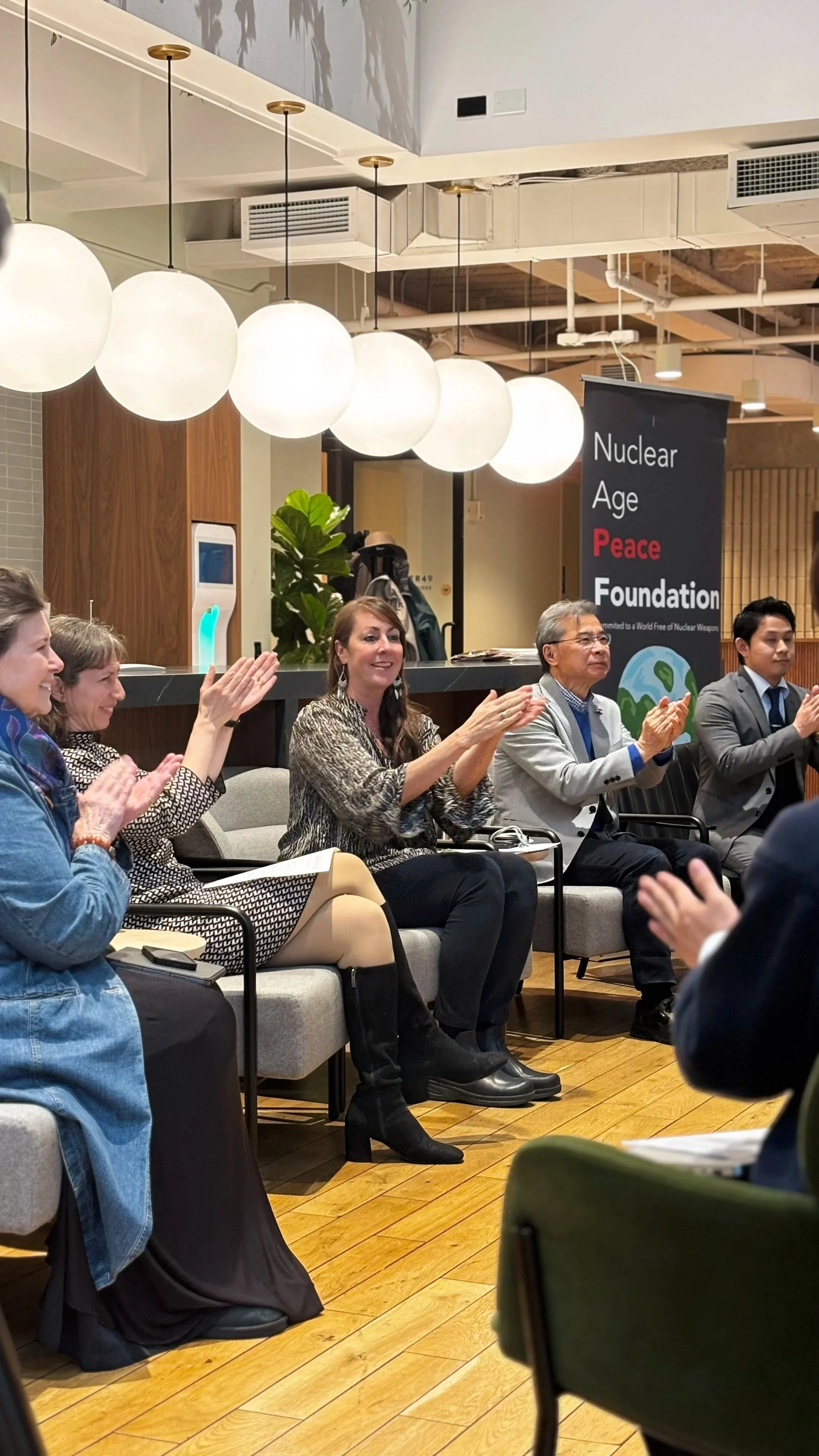
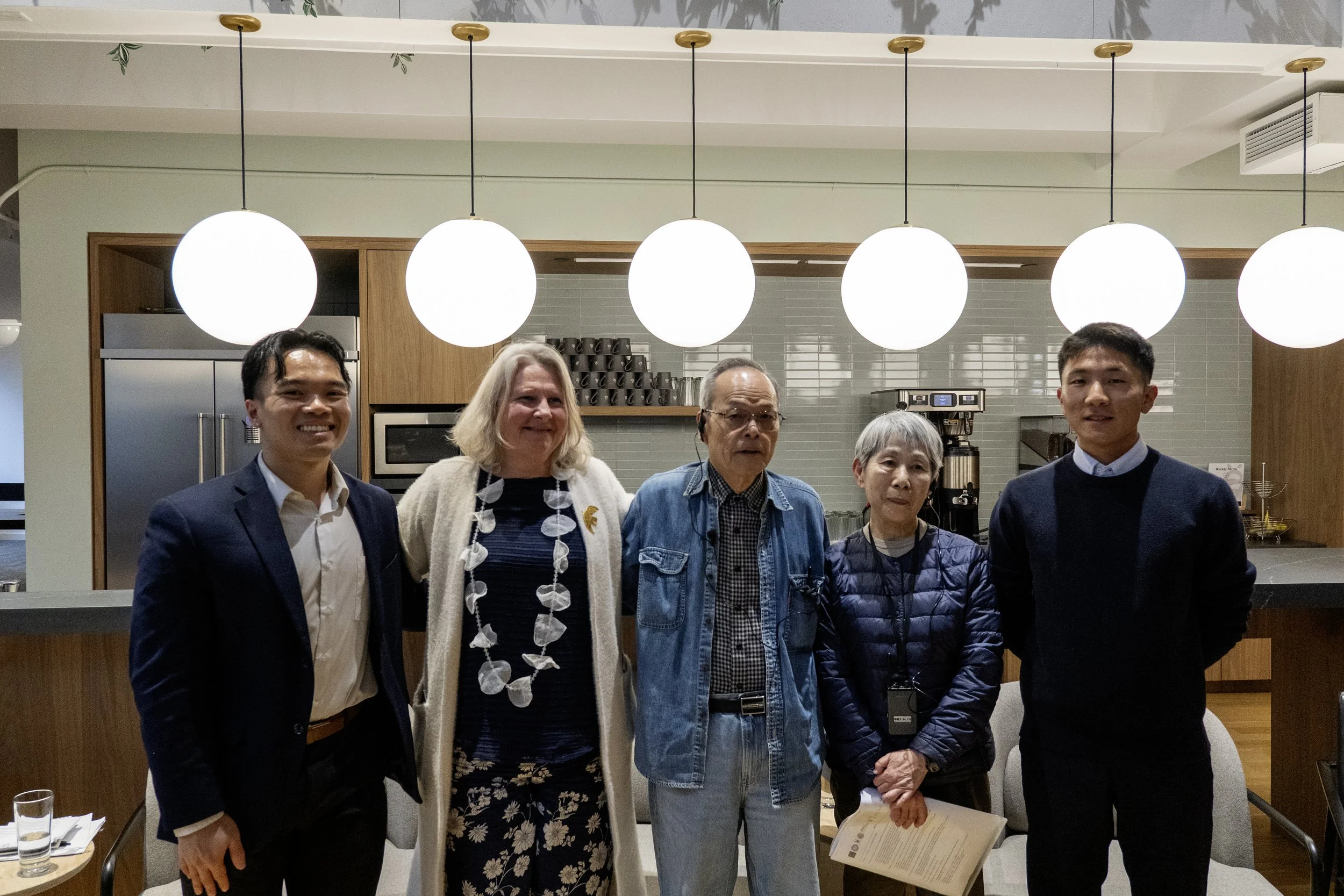
Panel 1: Testimonies by Hibakusha
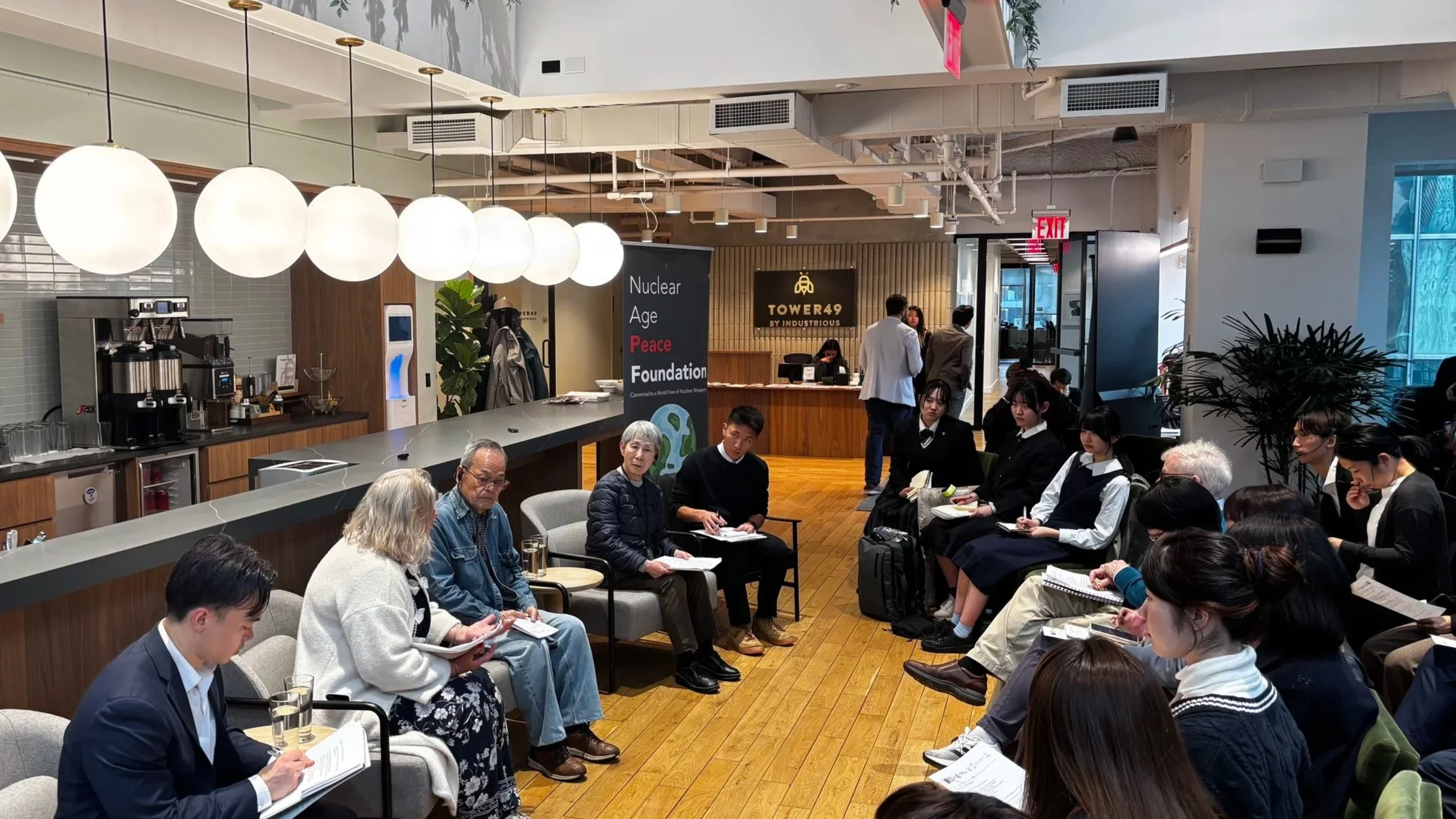
The first panel featured testimonies by Hideto Matsuura (Hibakusha, Executive Board Member of Nihon Hidankyo), and Tadako Kawazoe (Hibakusha, Secretary General of the A-bomb Victim Liaison Council of Nagasaki Peace Action Center) on their lived experiences of the atomic bombings in Hiroshima and Nagasaki, alongside Veronique Christory (Senior Arms Advisor, International Committee of the Red Cross Delegation to the United Nations).
Panel 2: Universalisation and Complementarity of the TPNW to the NPT
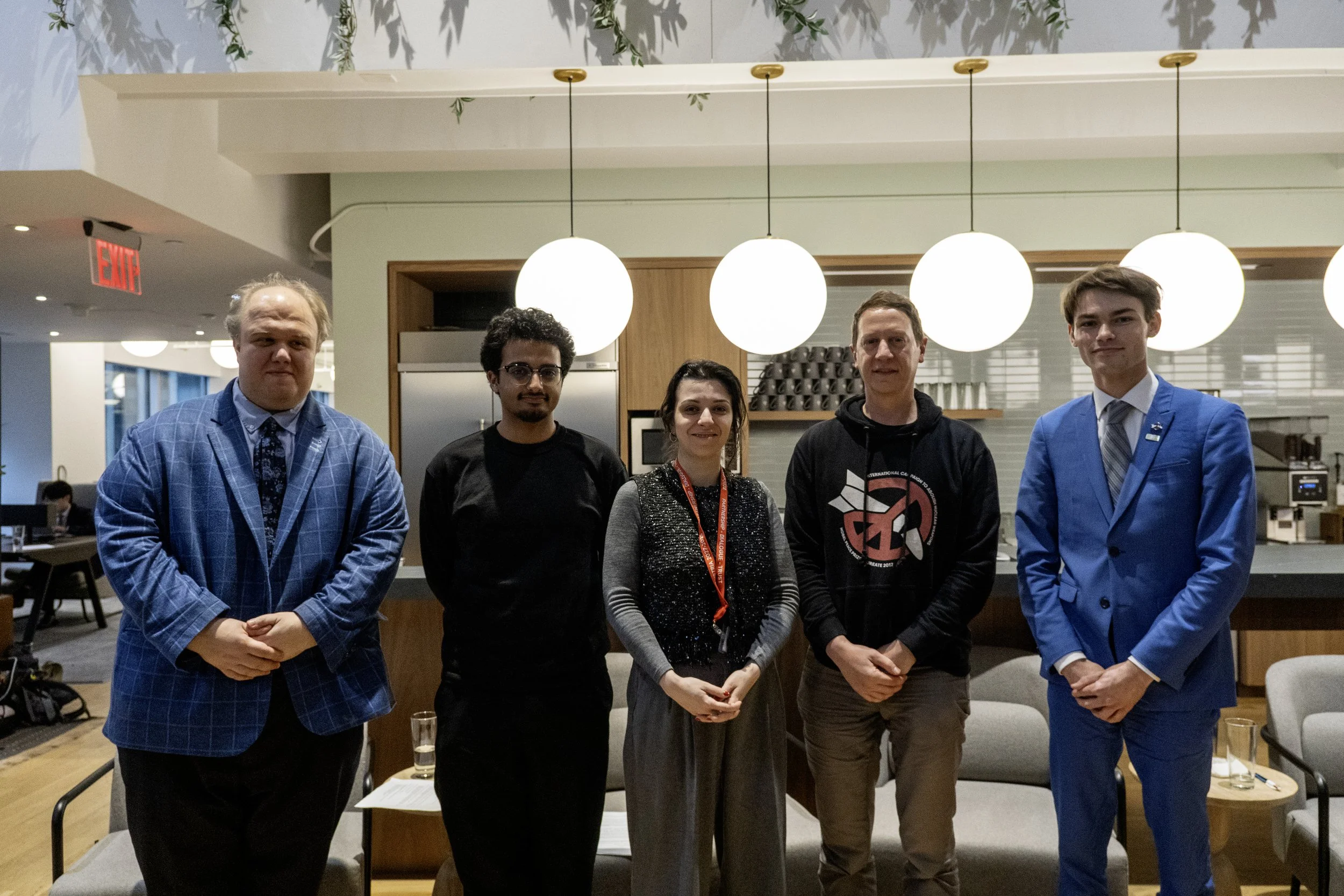
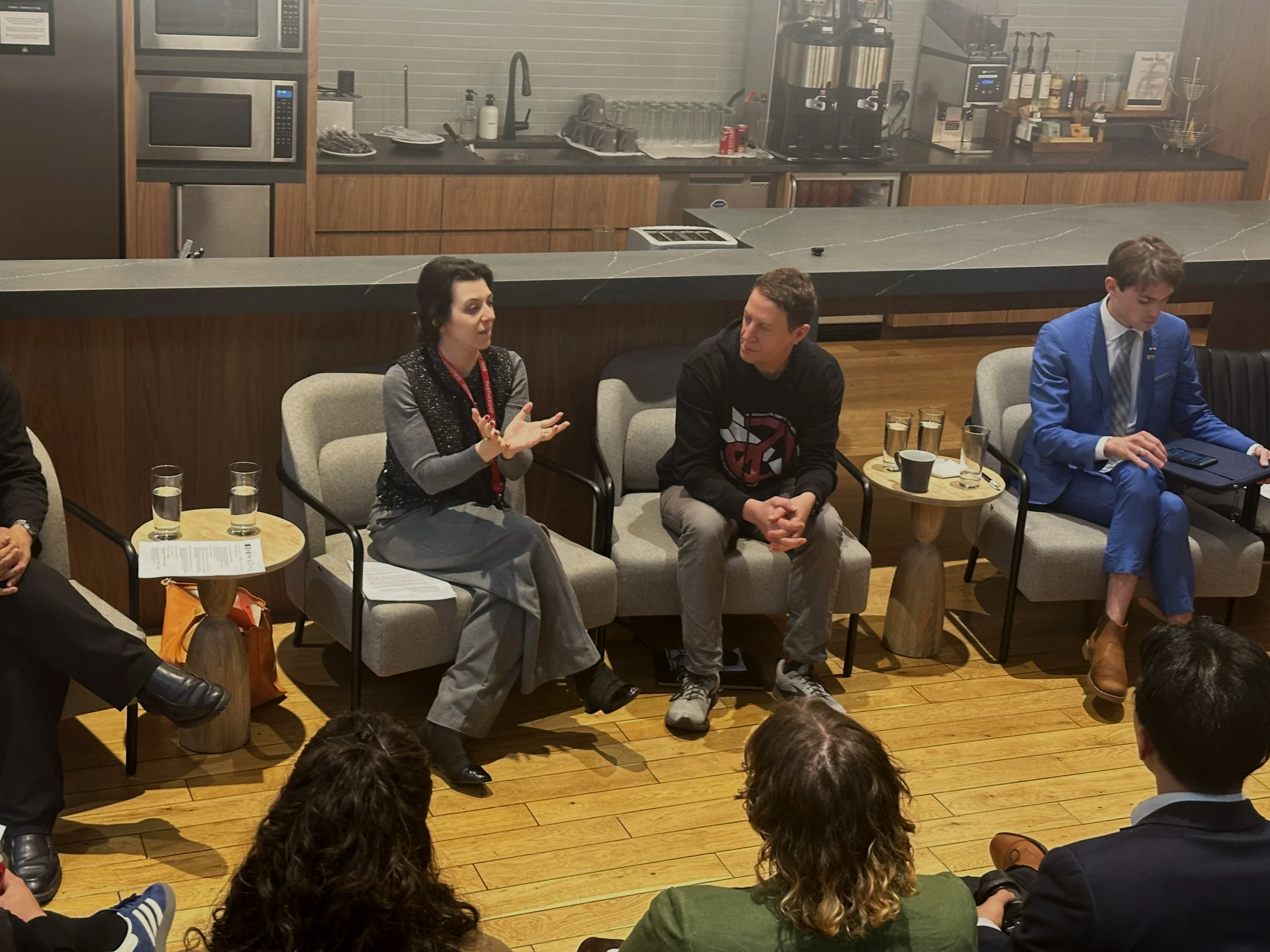
The second panel focused on the universalisation and complementarity of the TPNW to the NPT, with insight from Seth Sheldon (General Counsel and UN Liaison, ICAN), Gloria Bozygit (Second Secretary Disarmament and International Security, Austria) and David Gaillot (Youth for TPNW).
Breakout Room 1: A Feminist Approach to Nuclear Disarmament and Arms Control
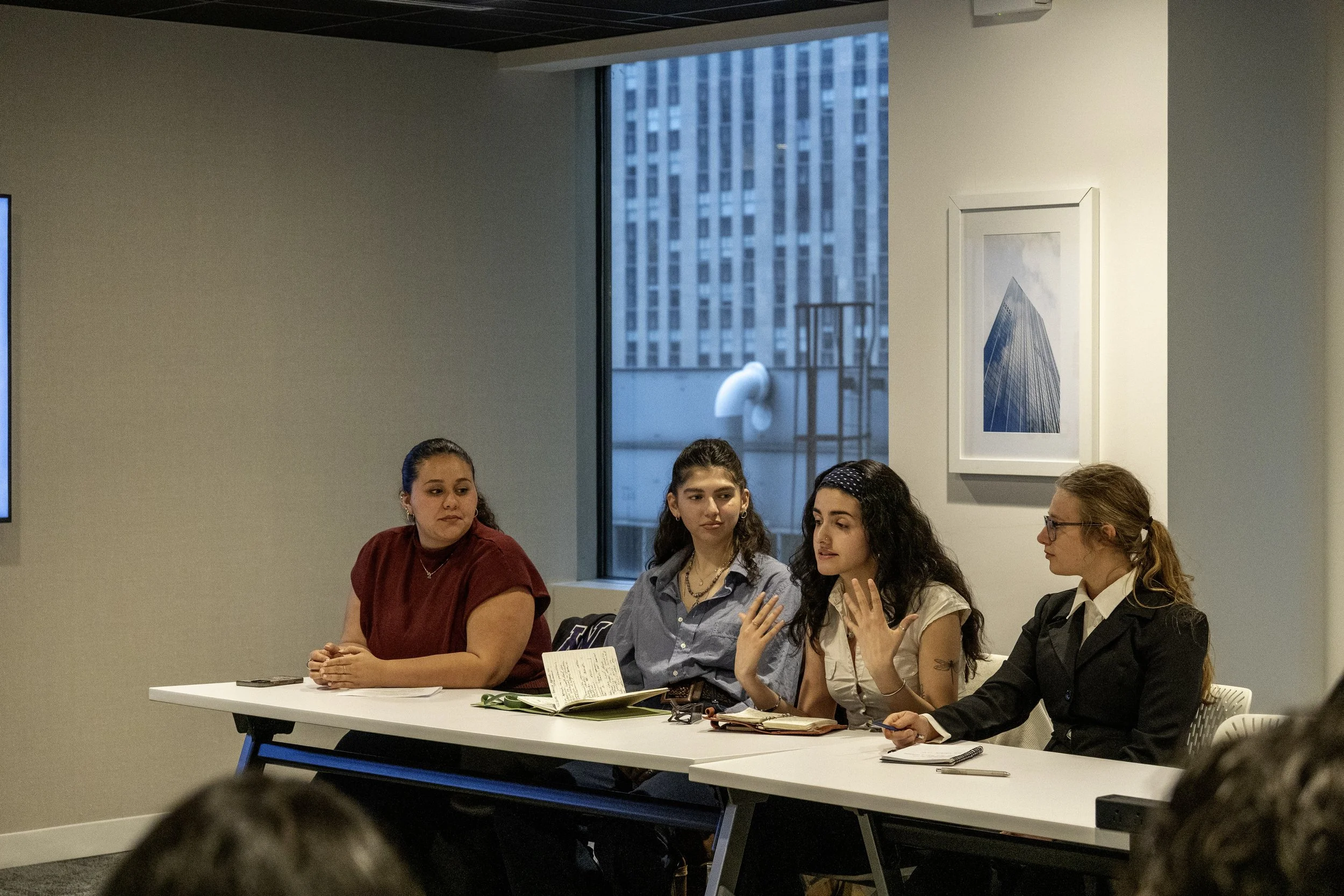
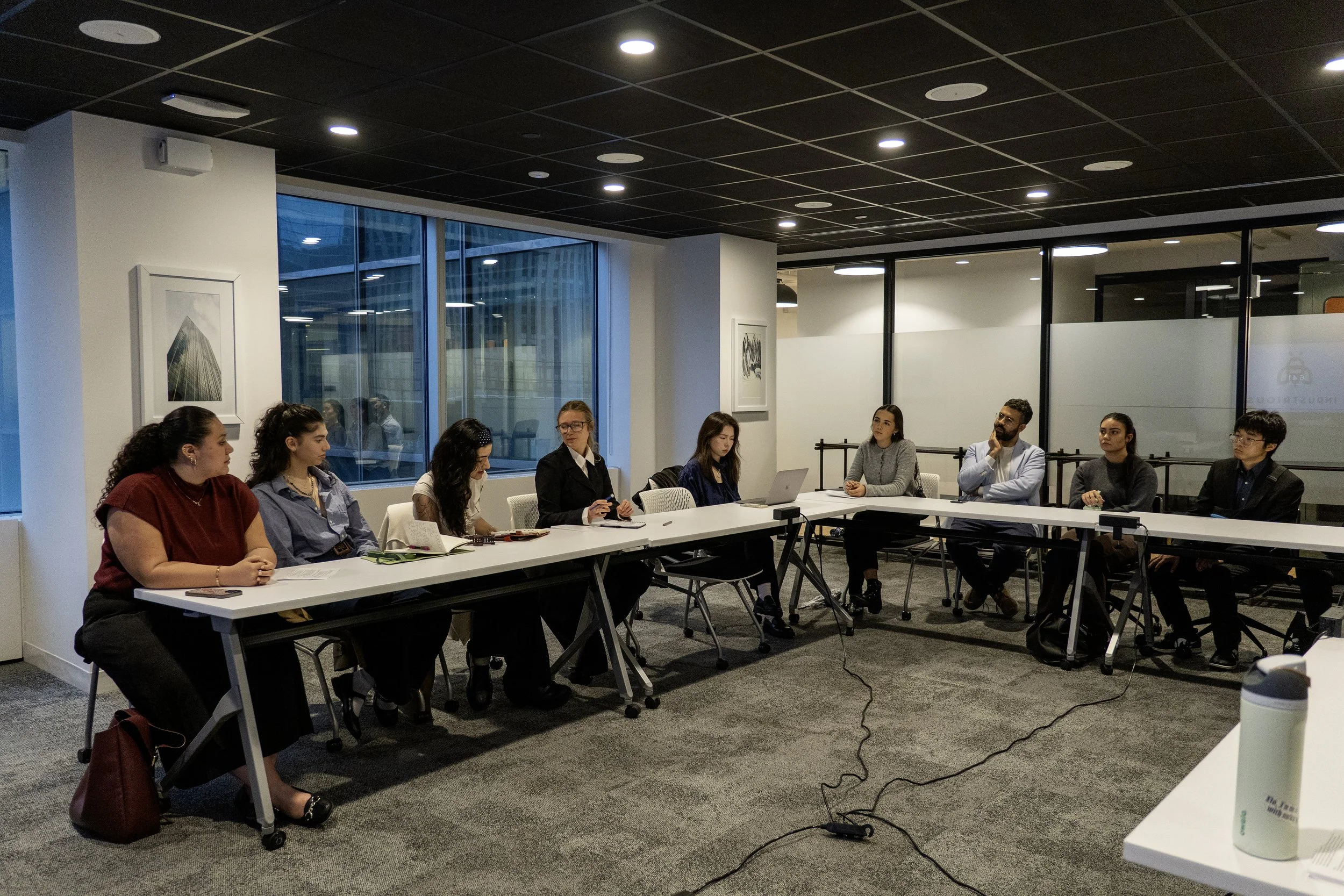
Centring the voices of young women activists, RTT Coordinators Yulianna Acuna, Rooj Ali, Stella Dean Rose, and Sarah Rohleder highlighted the unique aspects of a feminist approach, touching on additional intersections and the importance of education.
Breakout Room 2: Survivors, Allies, and the Role of Art in Addressing the Legacy of Nuclear Weapons
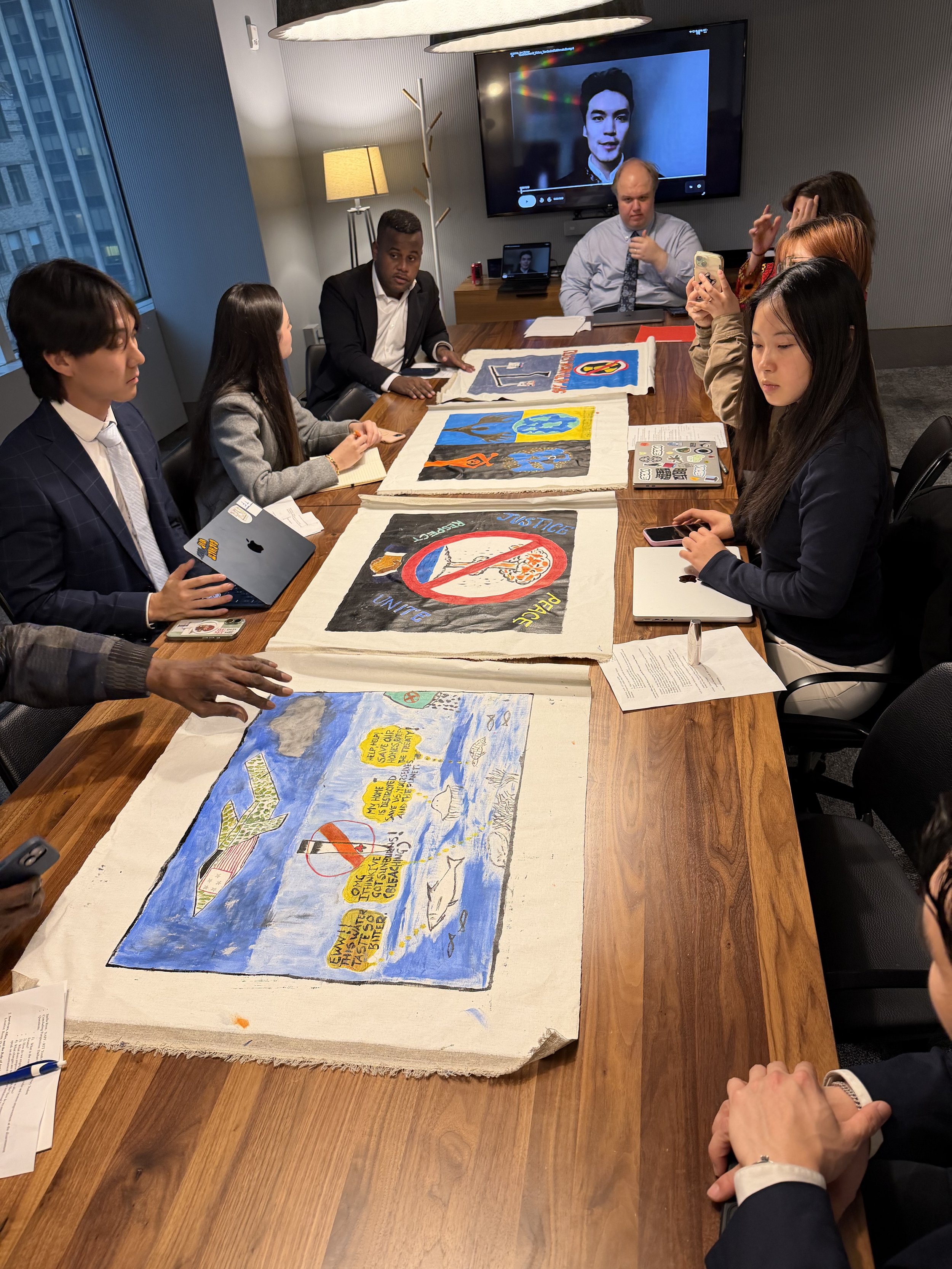
This breakout room featured the voices of individuals from communities affected by the testing of nuclear weapons, including Oemwa Johnson (Kiribati), Yerdaulet Rakhmatulla (Co-founder, Qazaq Nuclear Frontline Coalition), Dr. Anais Mauer (Author of The Ocean on Fire: Pacific Stories from Nuclear Survivors), and Maverick Peter Seda (Solomon Islands, Ploughshares-Horizon 2045 Nuclear Futures Fellow and RTT Pacific).