A Journey to Kiribati: Listening, Learning and Advancing Nuclear Justice
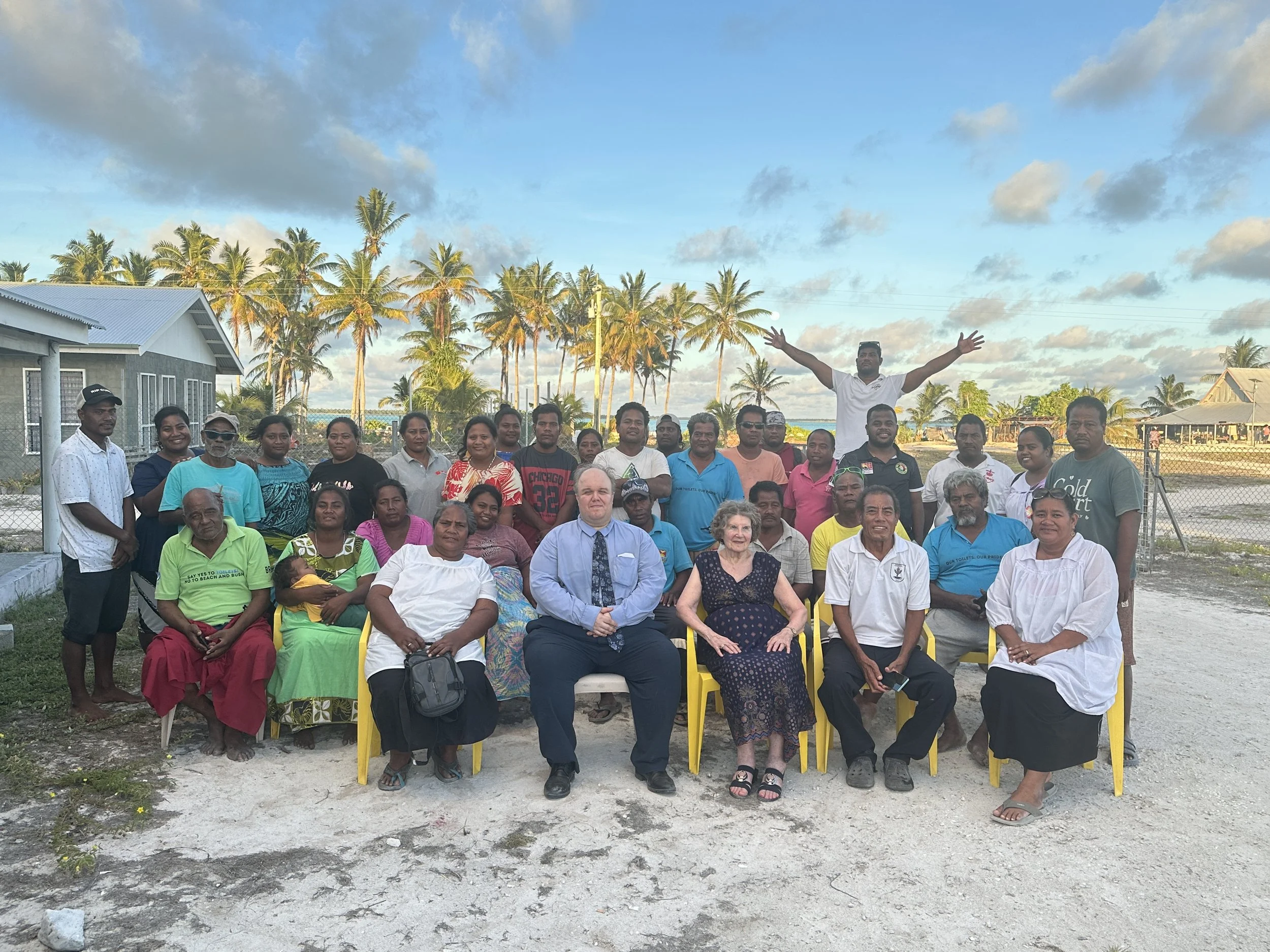
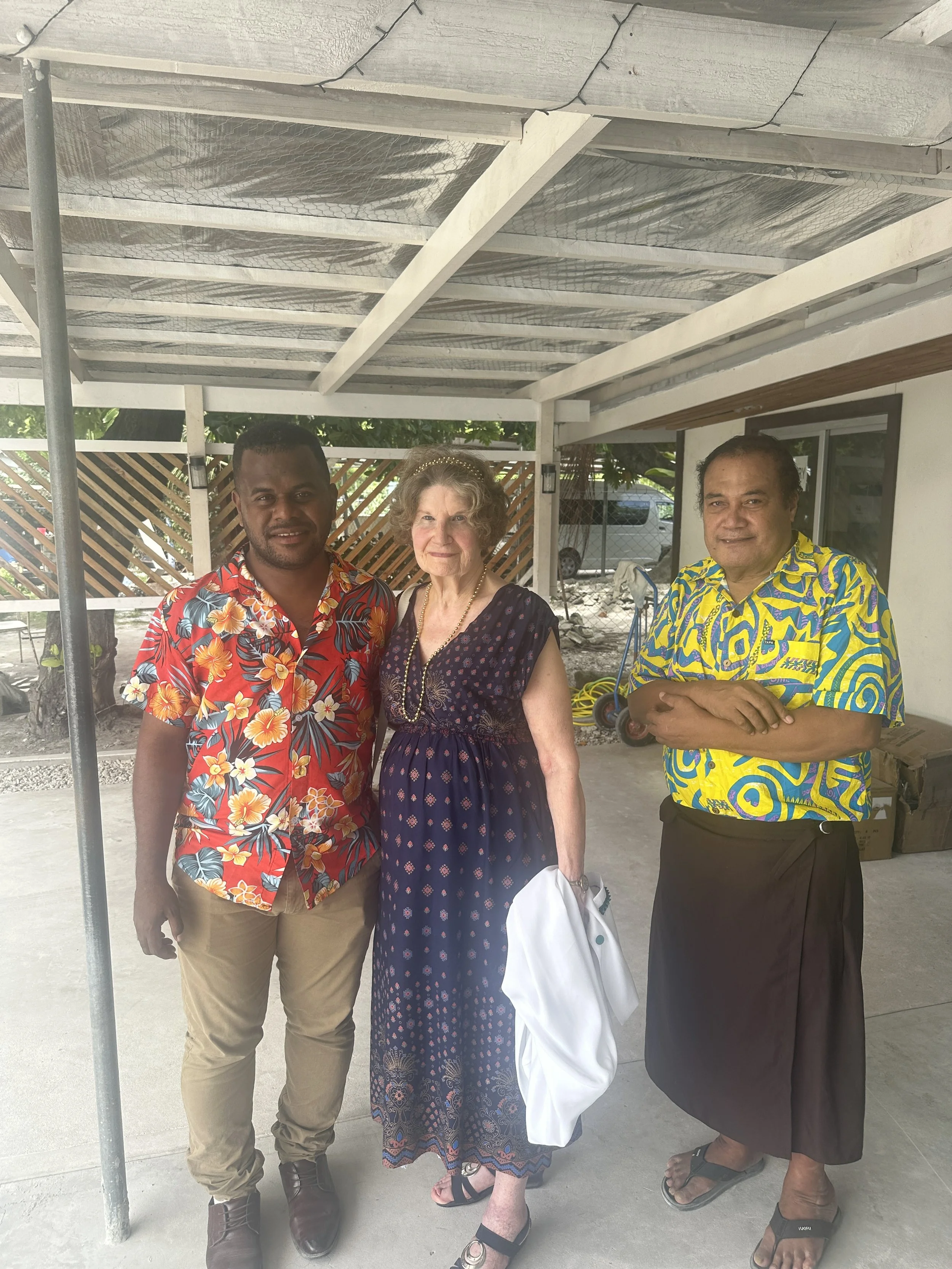
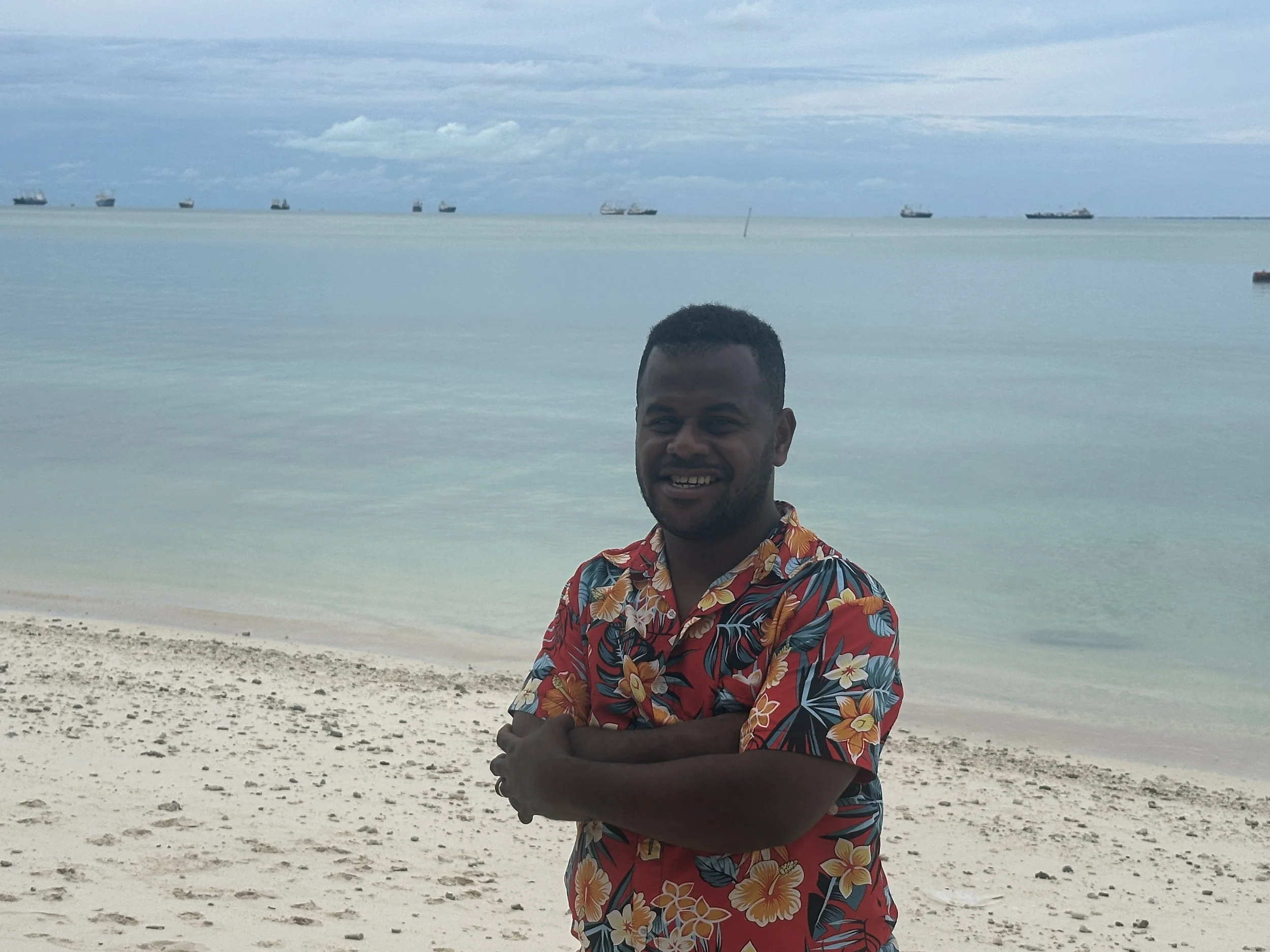
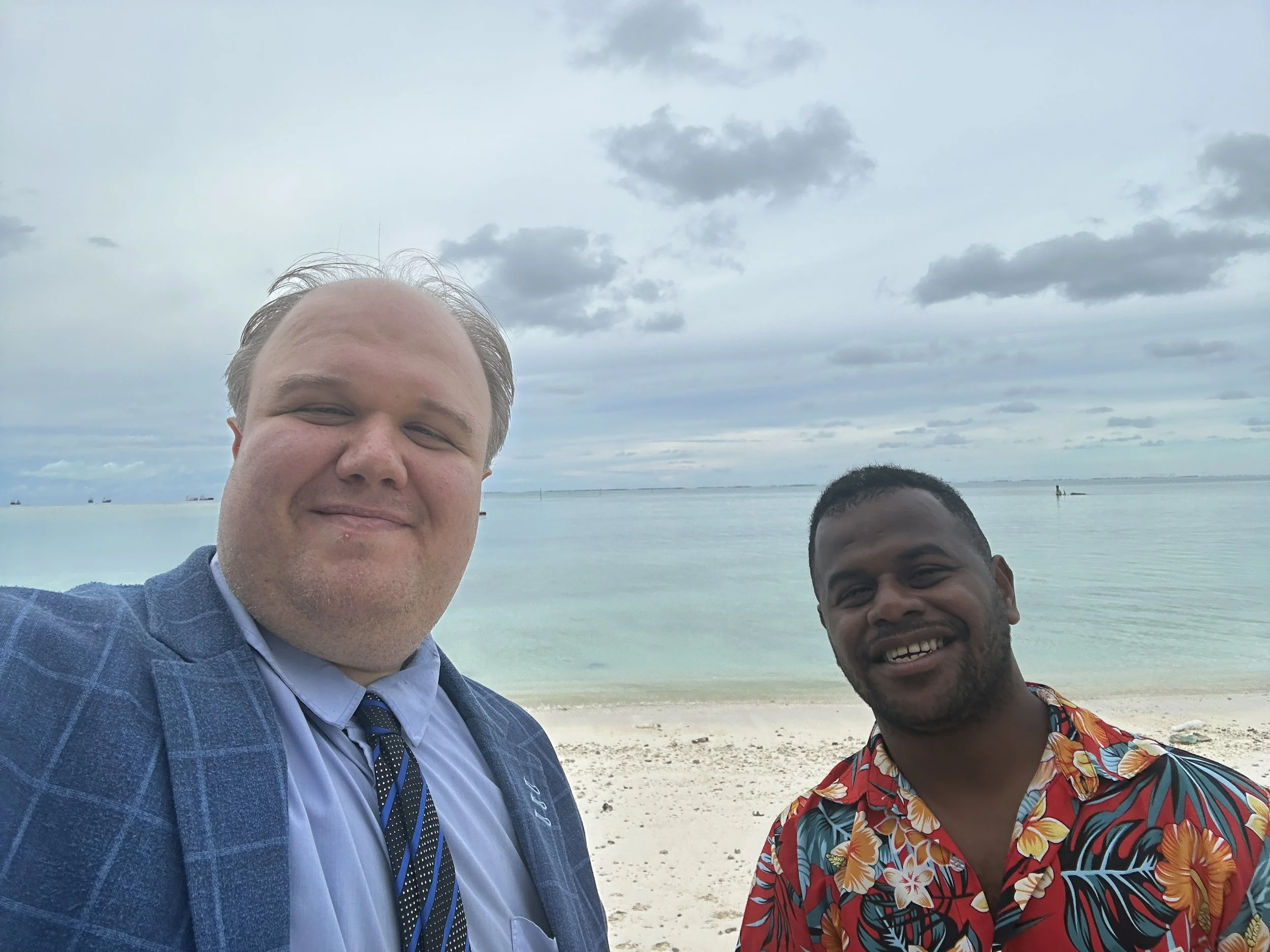
Driven by our desire to provide nuclear justice, we traveled to Kiribati in March 2026. This was made possibly by a private donor and the Ploughshares-Horizon 2045 Nuclear Futures Initiative.
Reflections
By Maverick Peter Seda, Solomon Islands
Along the International Date Line lies the remote Pacific nation of Kiribati. Many people around the world, including in the United States, know very little about this island country or its painful history of nuclear testing.
During the height of the Cold War, the United Kingdom and the United States conducted a total of 33 nuclear tests in the area now known as Kiribati. Many of these tests took place around Kiritimati Island. The explosions damaged the environment and affected the health and lives of the people who were living there at the time.
The impacts did not end when the testing stopped. Survivors and their families continue to live with unanswered questions about their health, food sources, land and ocean. Their experiences remind us that nuclear weapons do not only destroy lives at the moment of an explosion, their effects can continue across generations.
Despite this painful history, Kiribati has become a strong voice for nuclear justice. Together with Kazakhstan, another country deeply affected by nuclear testing, Kiribati has promoted international action through the Treaty on the Prohibition of Nuclear Weapons (TPNW) and resolutions at the United Nations First Committee. The Nuclear Age Peace Foundation (NAPF) works closely with Kiribati and other affected communities to advance this important cause.
At NAPF, we have heard powerful stories from survivors whom we have supported to participate in international meetings at the United Nations. Their testimonies have helped the international community better understand the humanitarian and environmental consequences of nuclear weapons. However, until March 2026, we had never travelled to Kiribati to meet the affected communities on their own land.
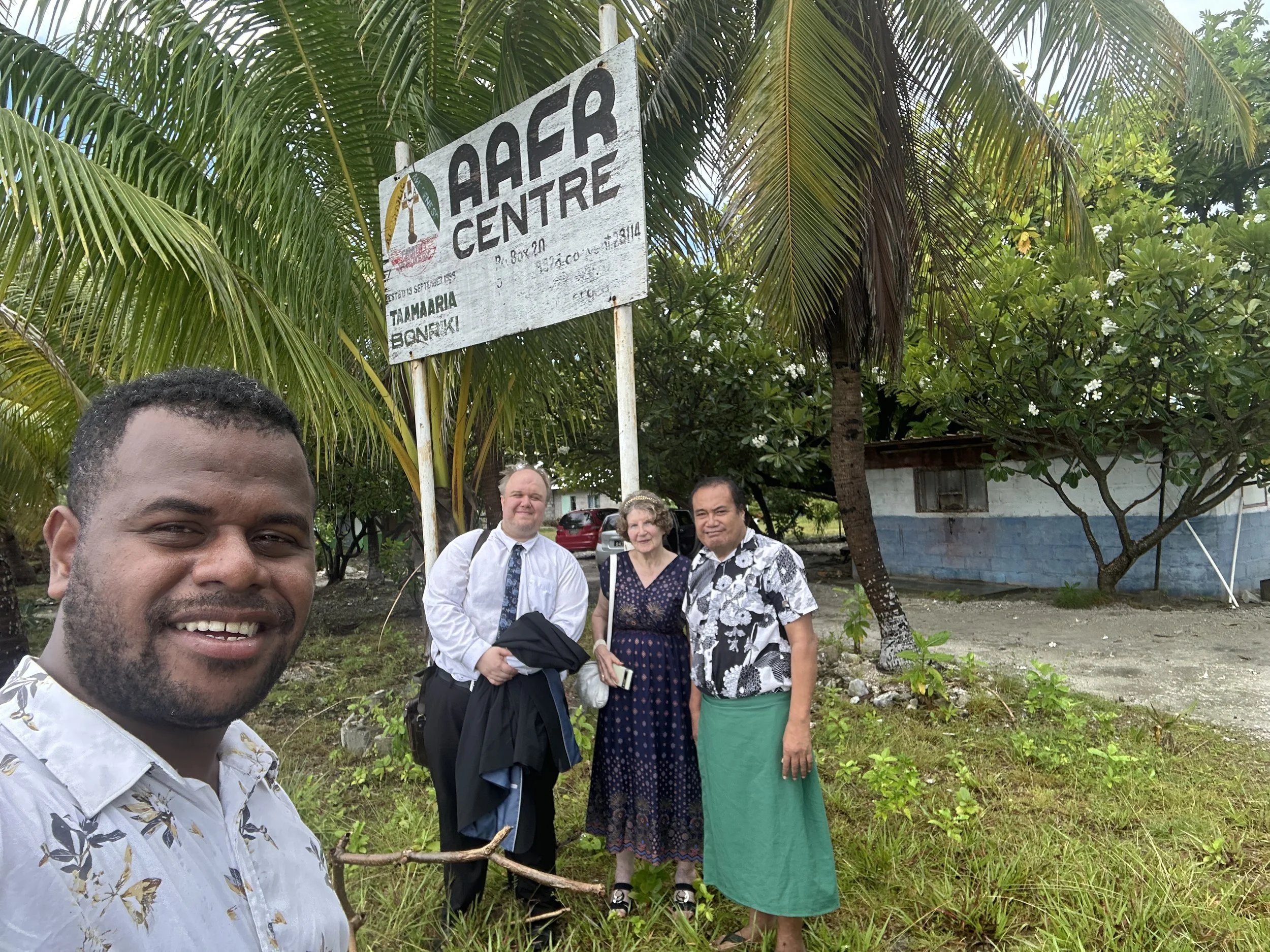
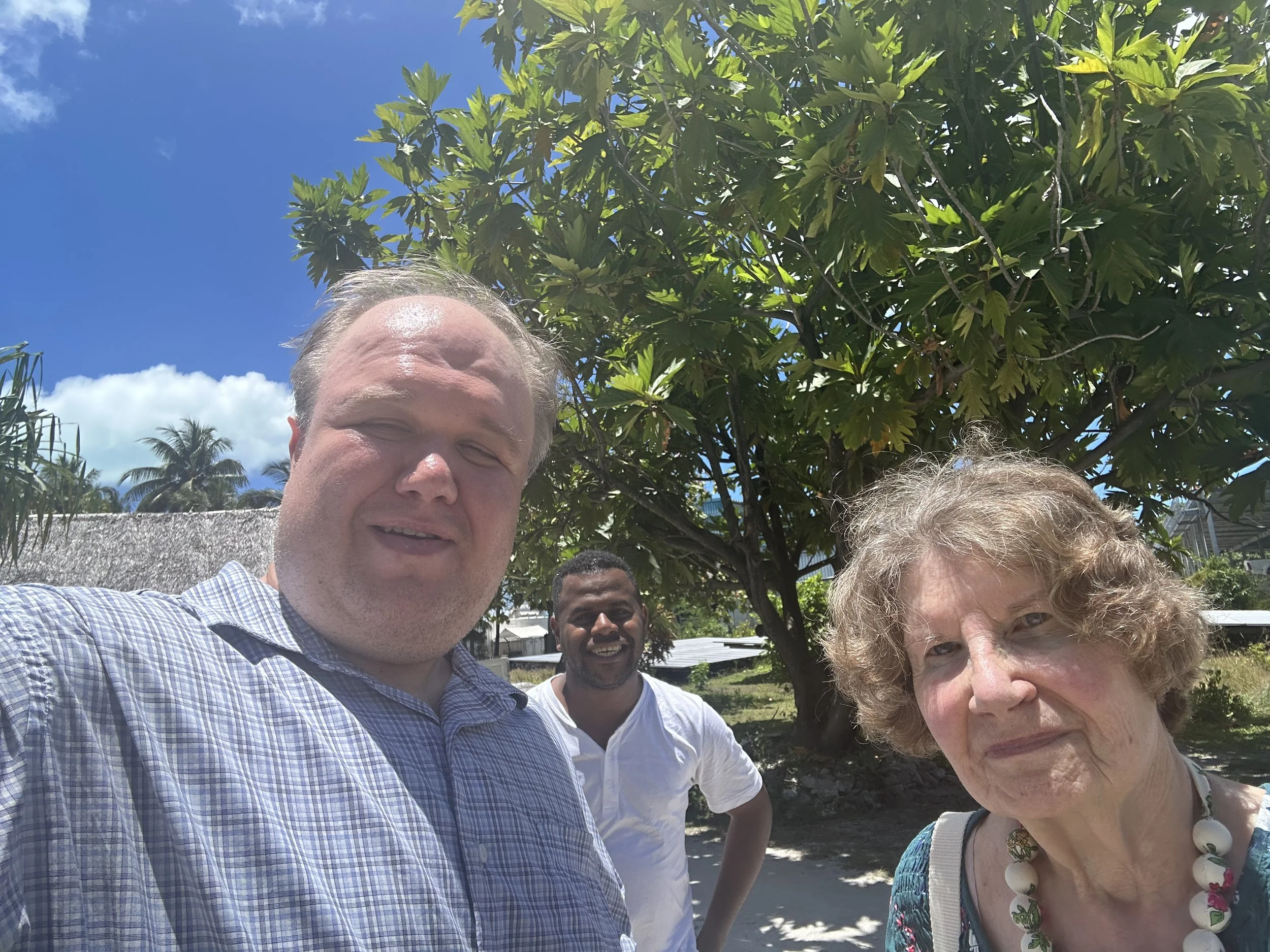
In late March, NAPF’s Policy and Advocacy Director, Christian N. Ciobanu, and I travelled with a funder to Kiribati. I joined the mission through my work with Reverse The Trend, NAPF’s youth initiative, and as a Pacific youth advocate committed to nuclear disarmament and justice.
Our purpose was to listen, learn and begin laying the foundation for a Nuclear Justice Center in Kiribati.
Listening to faith leaders and government representatives
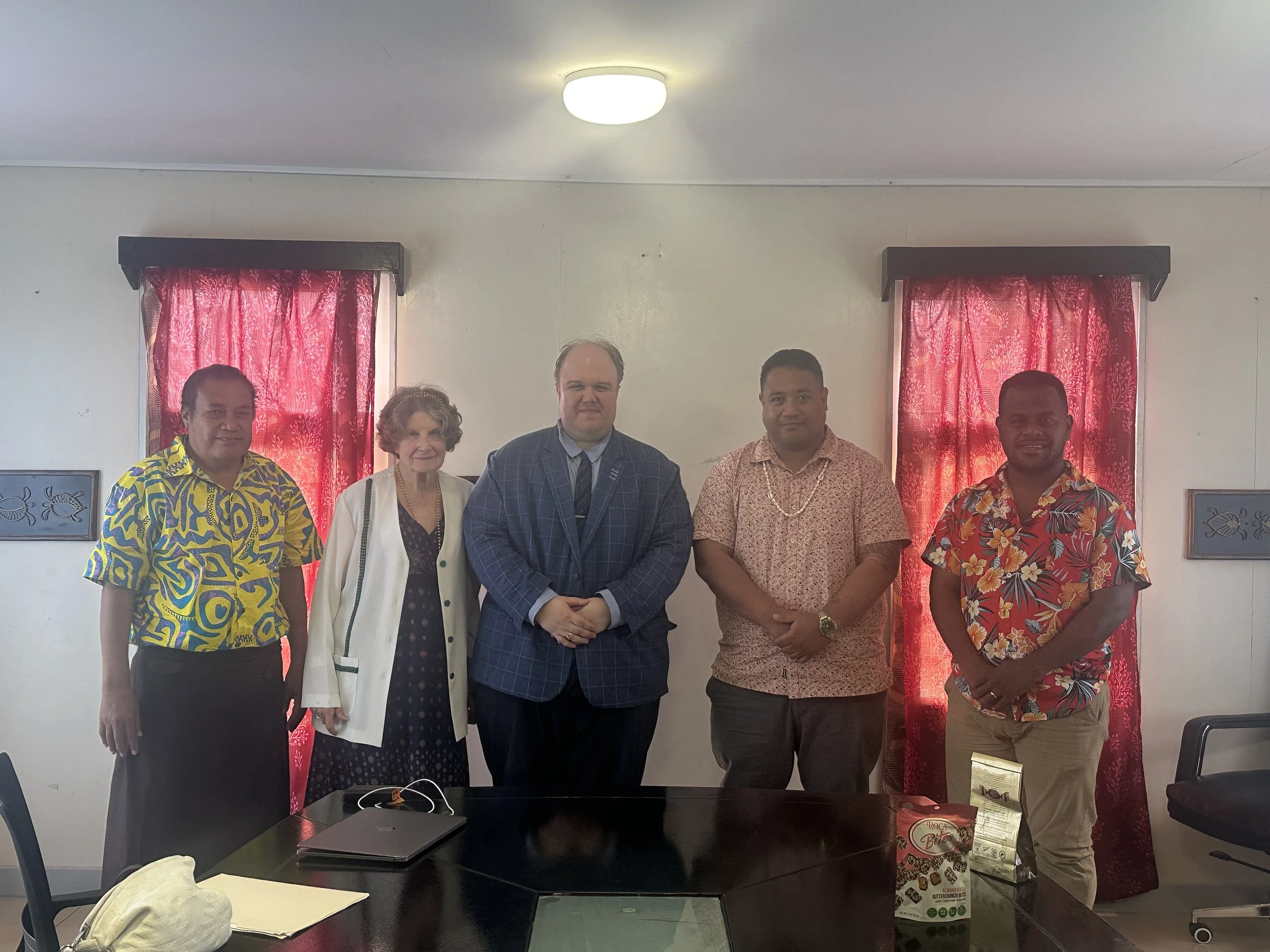
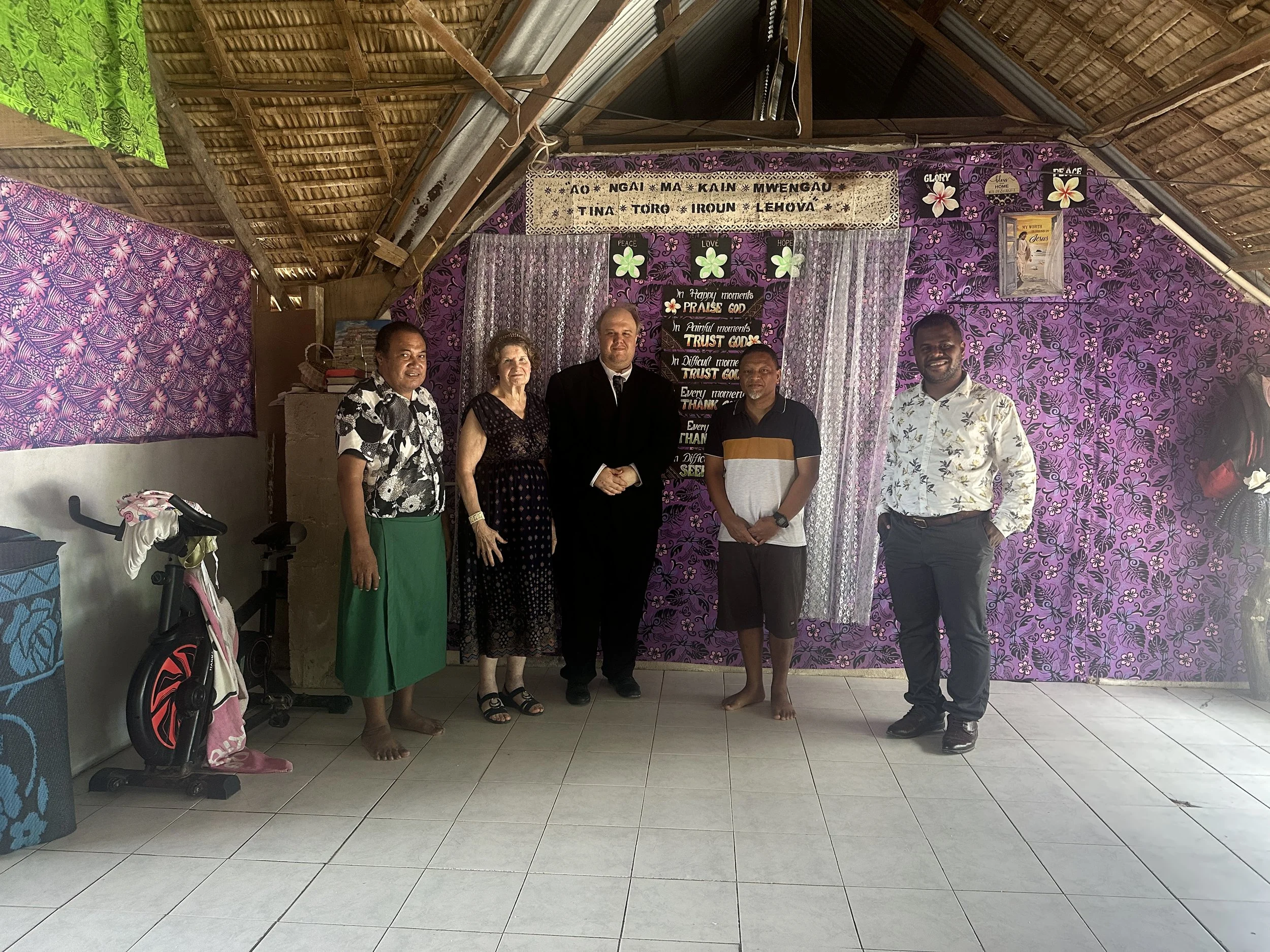
On our first day, we met with a group of religious leaders and shared information about NAPF’s nuclear justice work in Kiribati and internationally. The religious communities warmly welcomed us and encouraged us to continue advocating for the people affected by nuclear testing.
Their support was important because churches and faith communities remain deeply connected to the daily lives of people across Kiribati. They can play a major role in raising awareness, supporting survivors and encouraging the government and international community to act.
Inspired by these discussions, we met with officials representing the governments of Kiribati and New Zealand. They expressed interest in the idea of establishing a Nuclear Justice Center and encouraged us to travel to Kiritimati Island to listen directly to survivors and affected communities.
One of our most significant meetings was with the former President of Kiribati and former Ambassador to the United Nations. His message was clear:
“What matters the most is to make a difference in the lives of the survivors. We must help them, as they have suffered so much.”
These words remained with us throughout the journey. Nuclear justice must be more than international speeches, meetings and resolutions. It must improve the lives of survivors and their families.
Before we travelled to Kiritimati, a Catholic nun also reminded us that the Nuclear-Weapon States must be held accountable for their actions. She stressed the importance of reparations and meaningful assistance for the harm caused to people, communities and the environment.
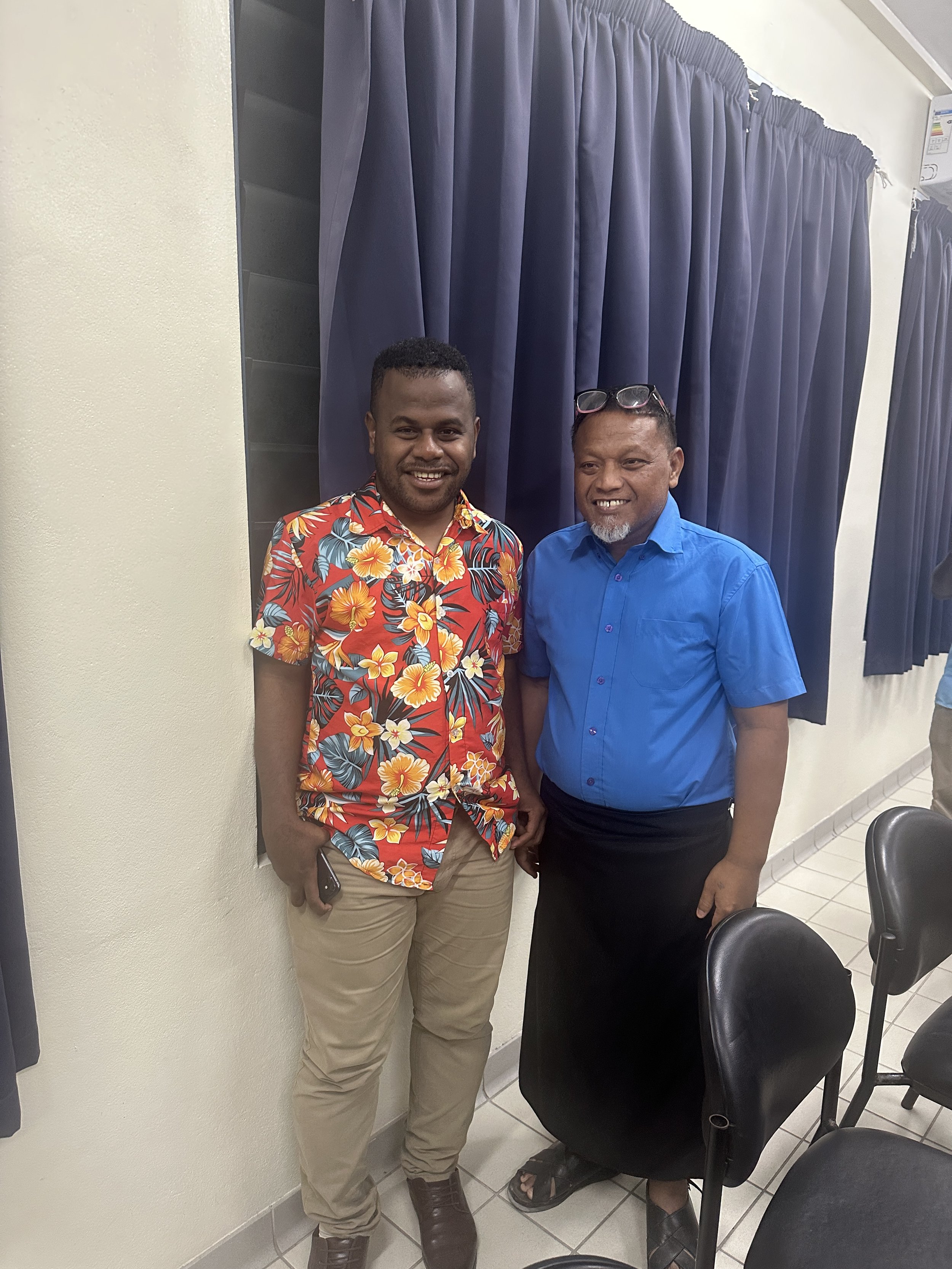
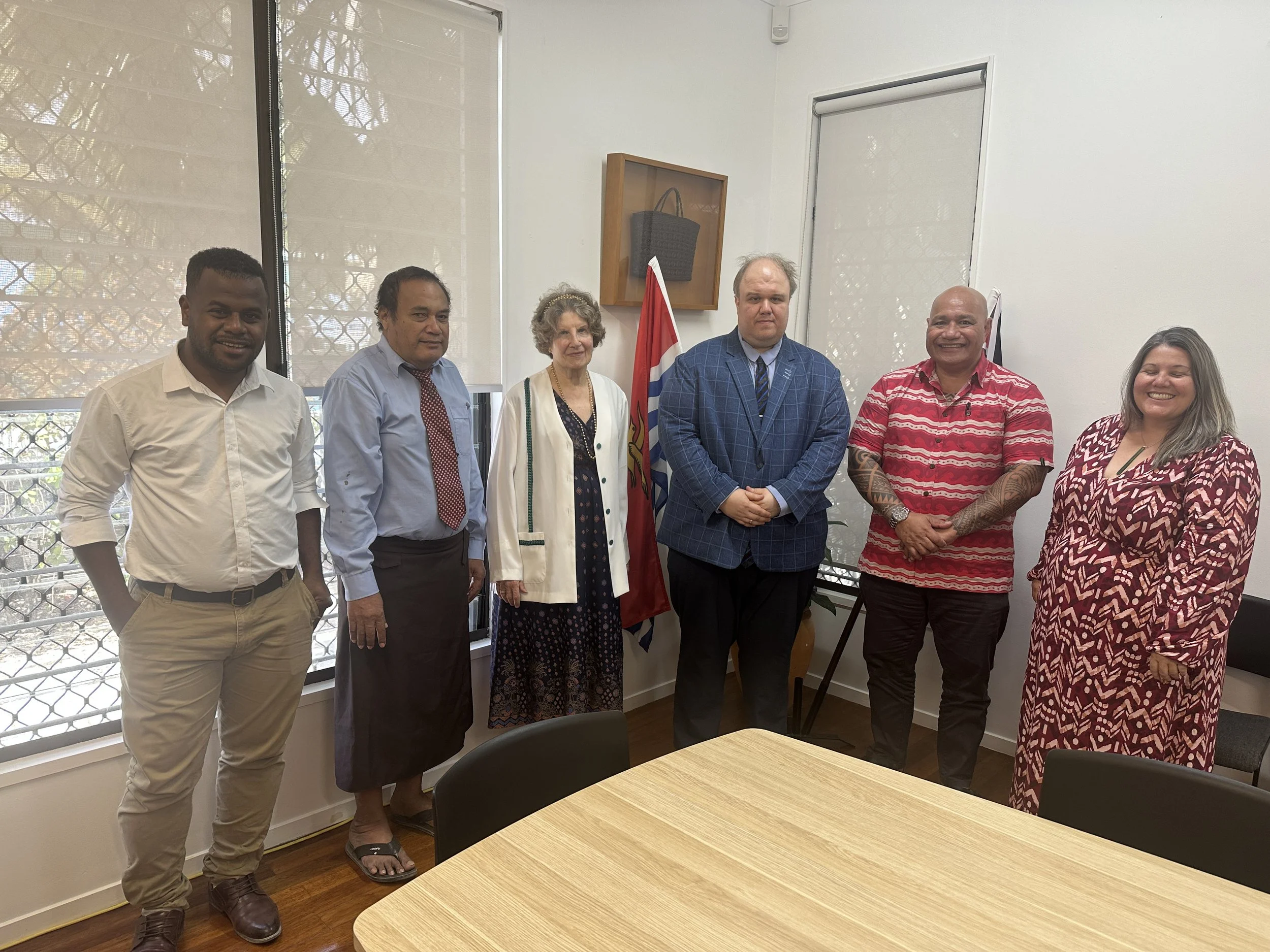
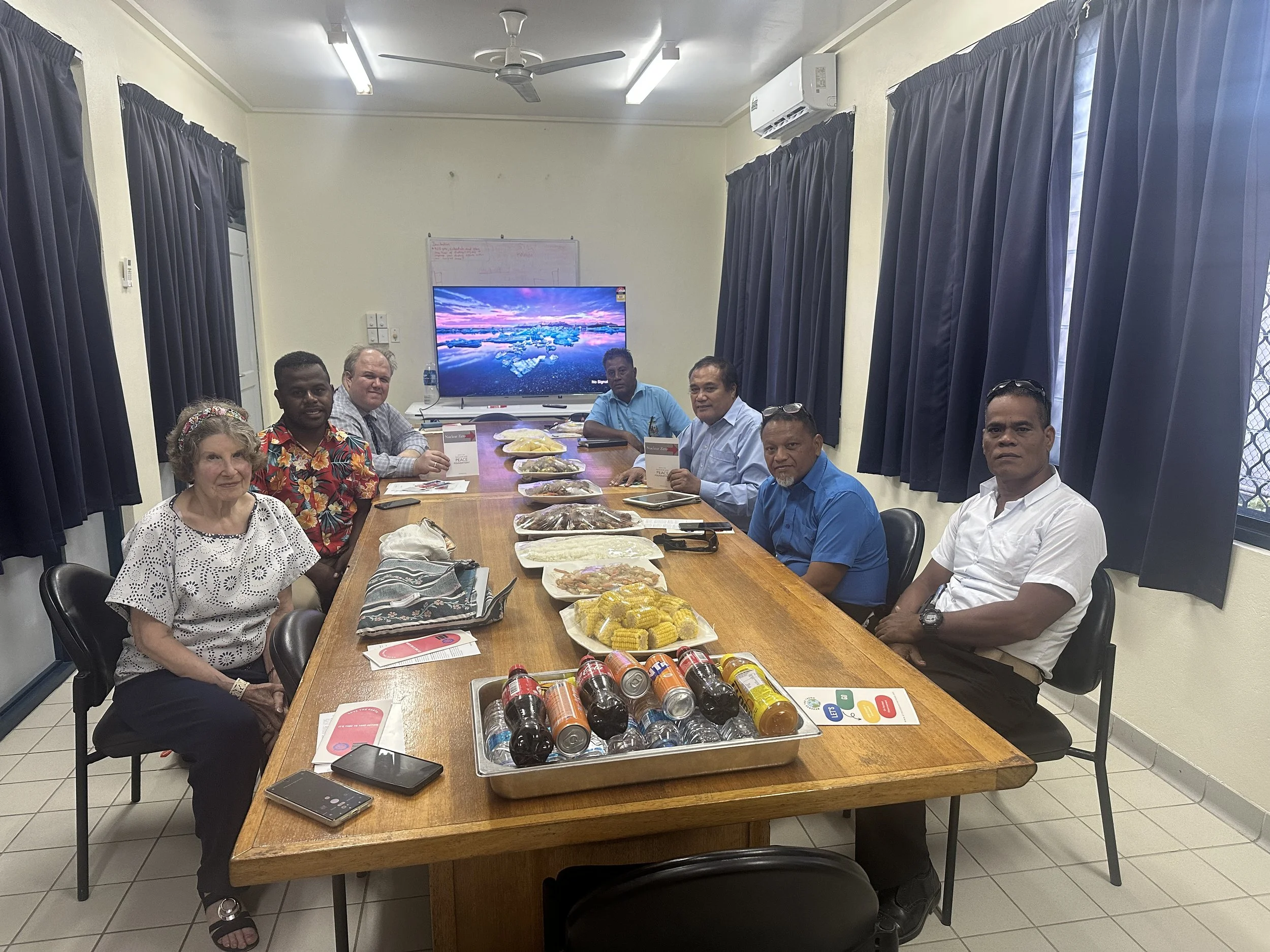
Visit to the University of the South Pacific
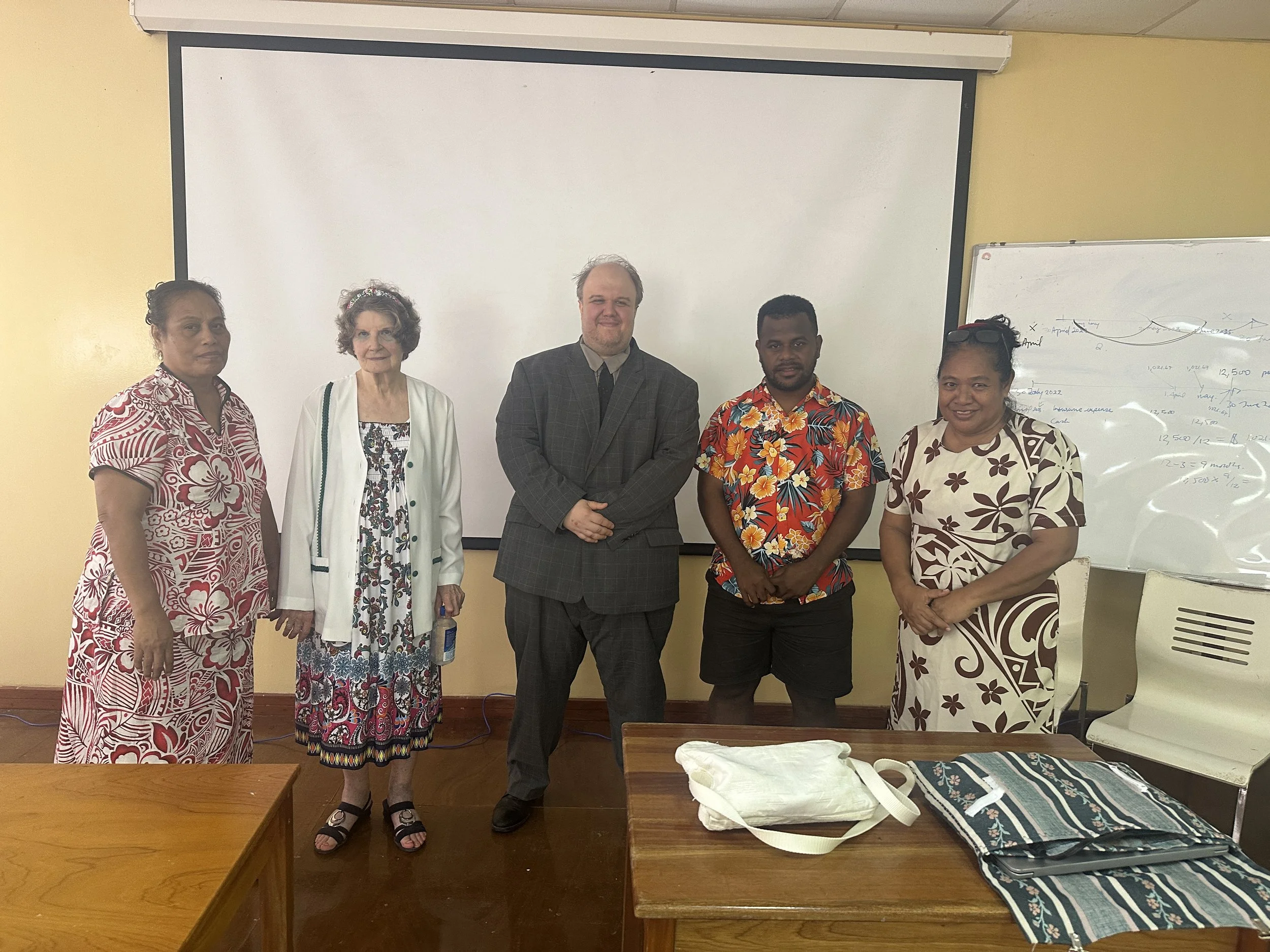
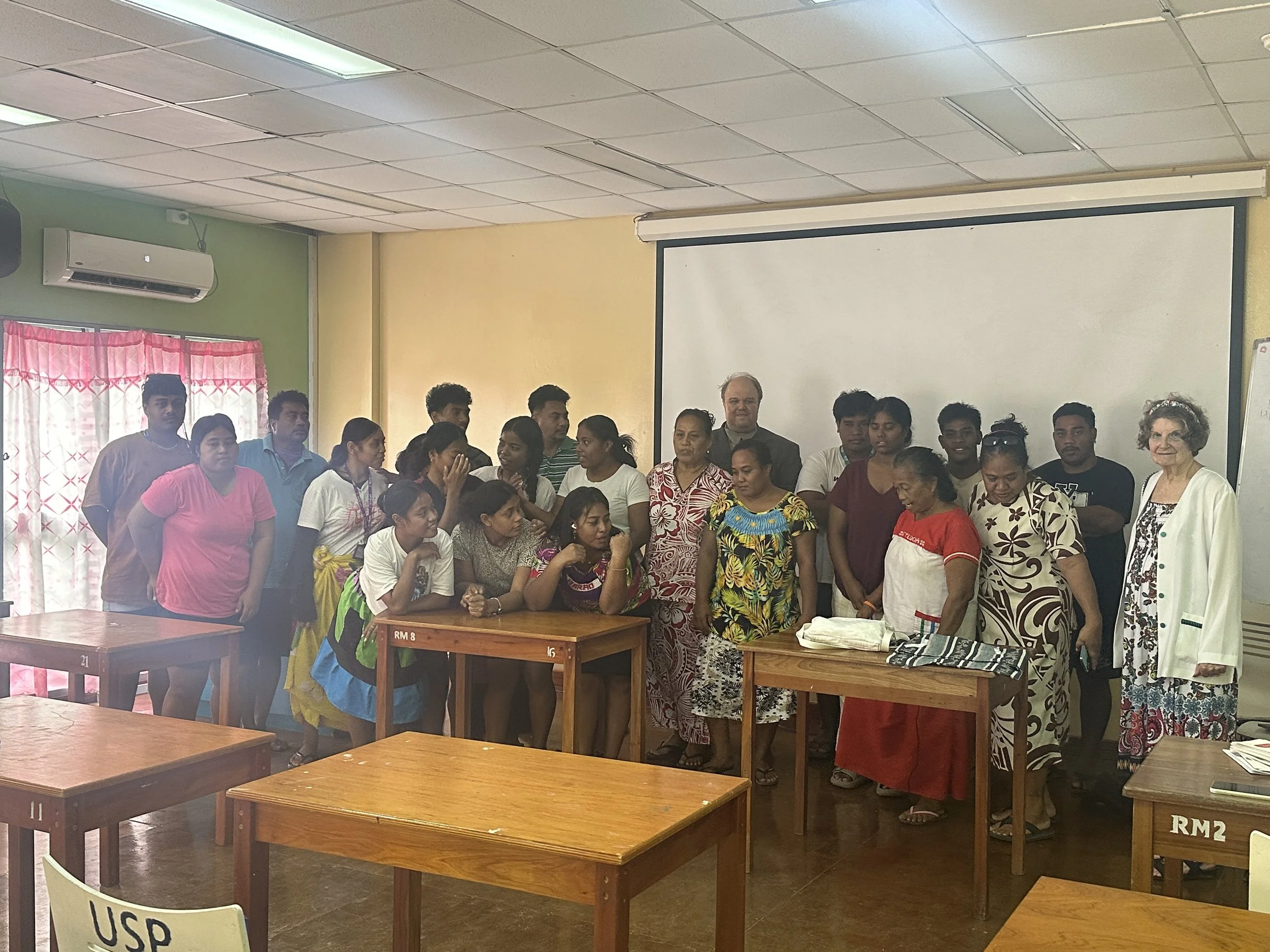
Following our meeting with both religious and political leaders, we visited the University of the South Pacific’s campus in Kiribati to discuss our mission, the tragic nuclear testing, and Kiribati’s involvement in nuclear justice at the United Nations. The students and the team engaged in a substantive discussion on global citizenship and how young people can engage in the nuclear disarmament movement.
Heartbreaking Stories from Kiritimati Island
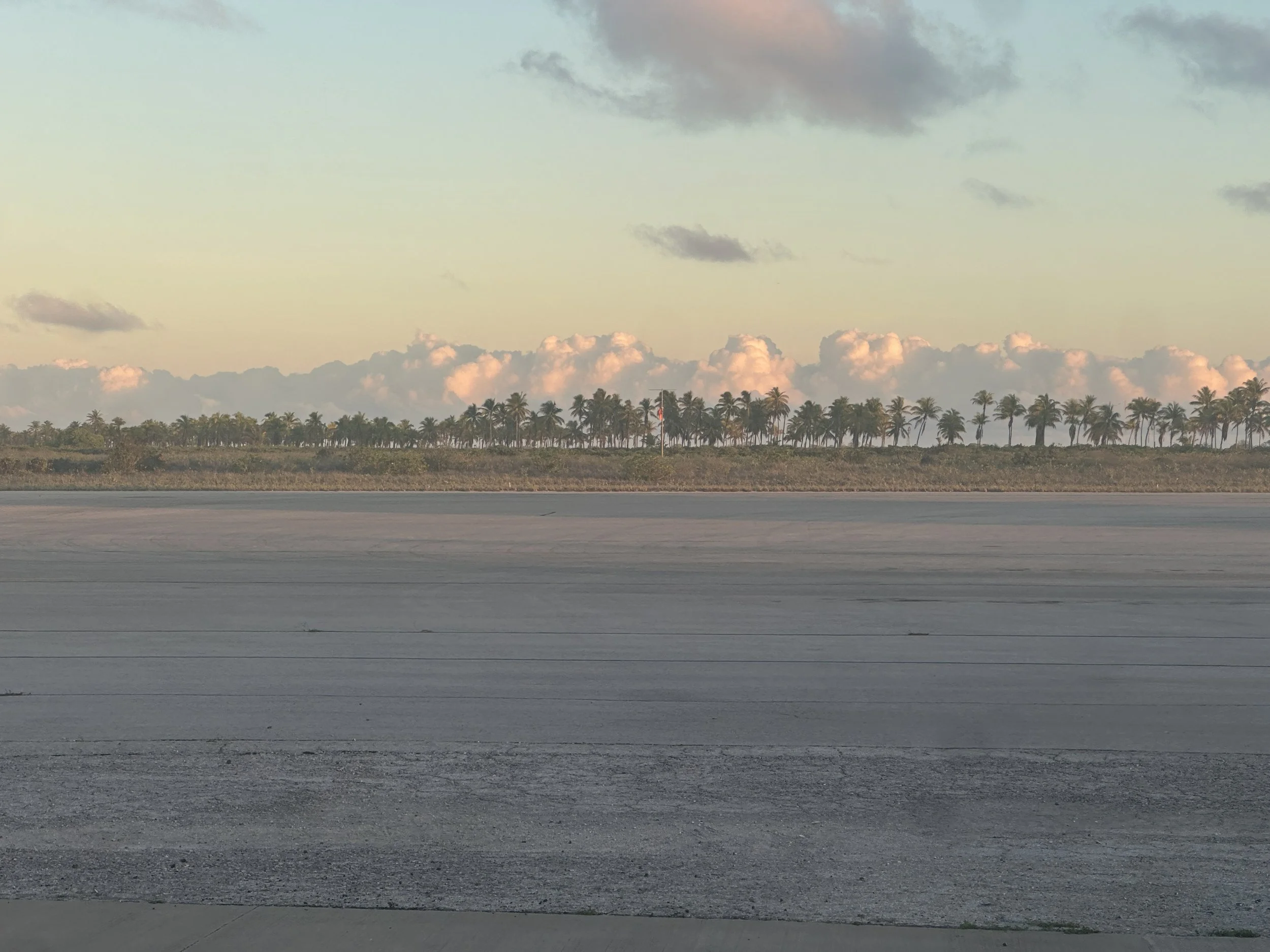
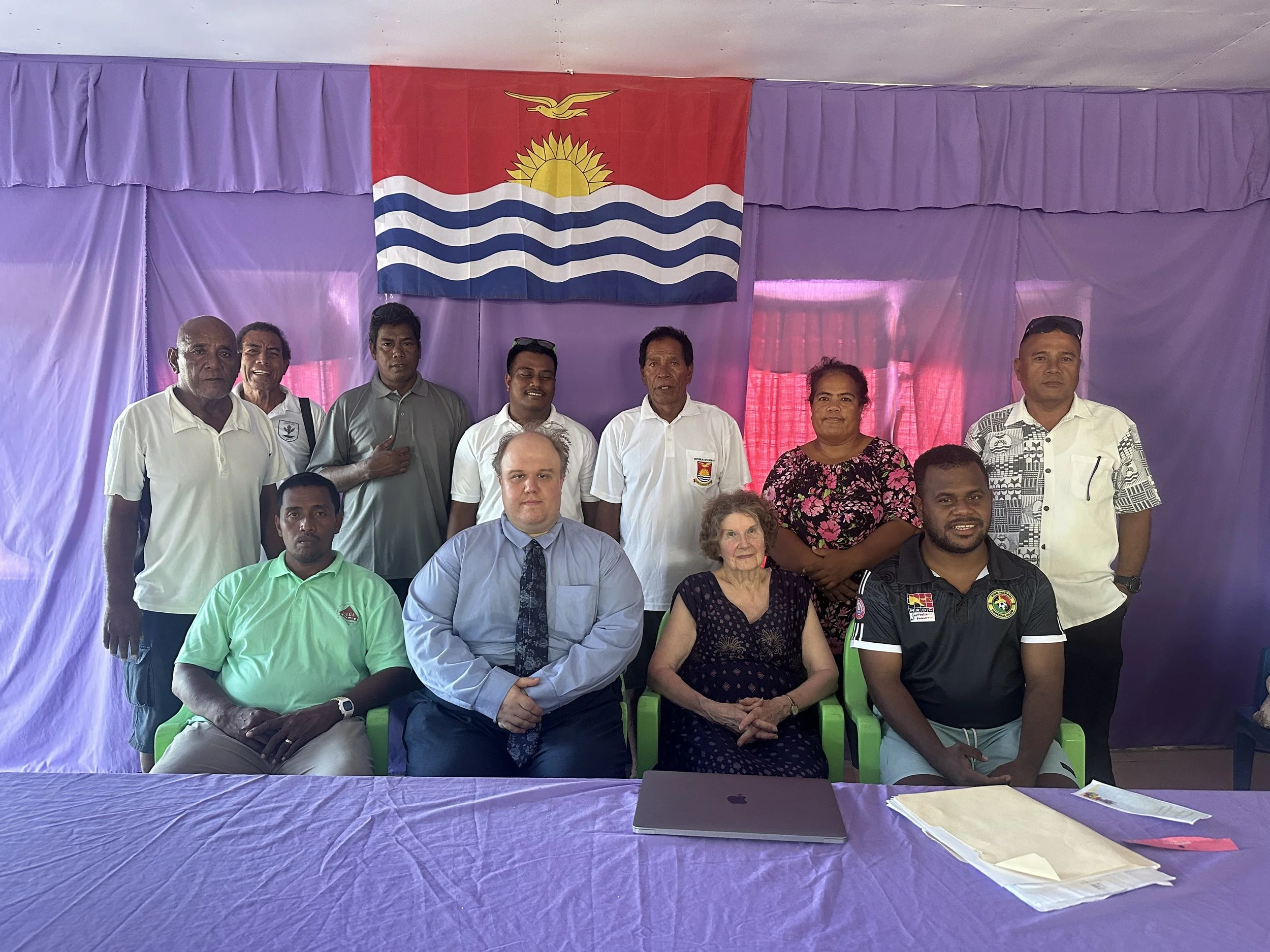
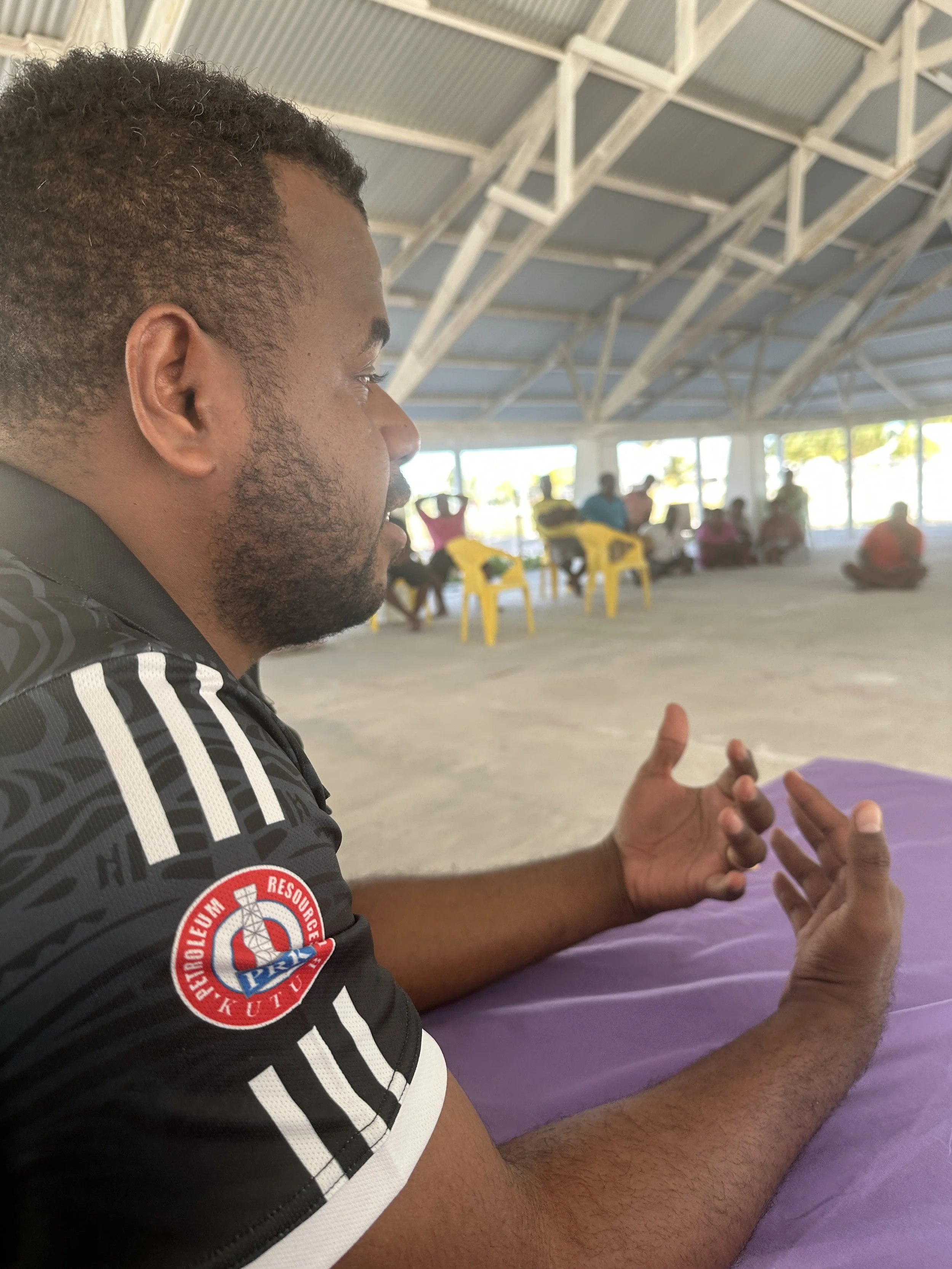
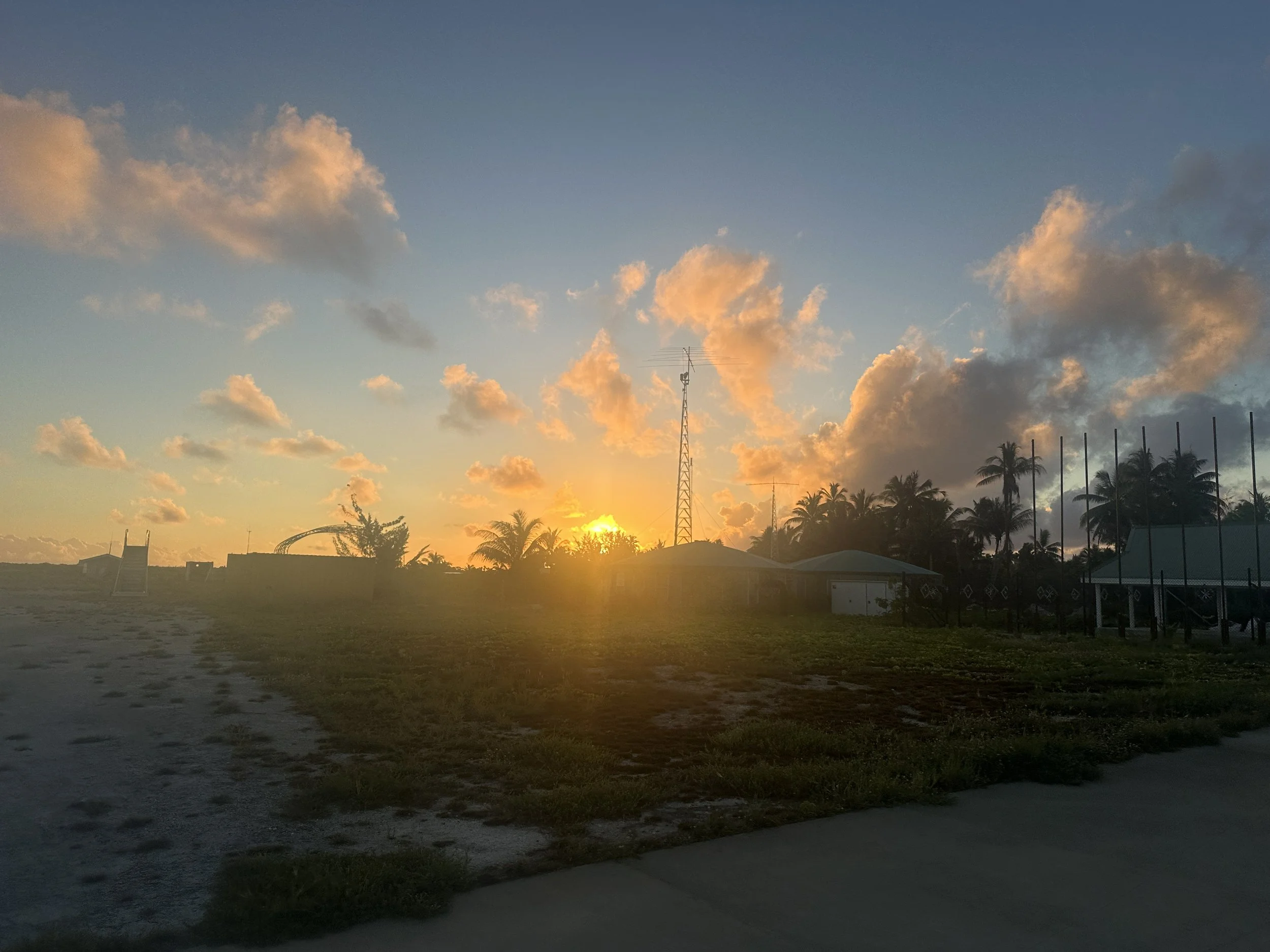
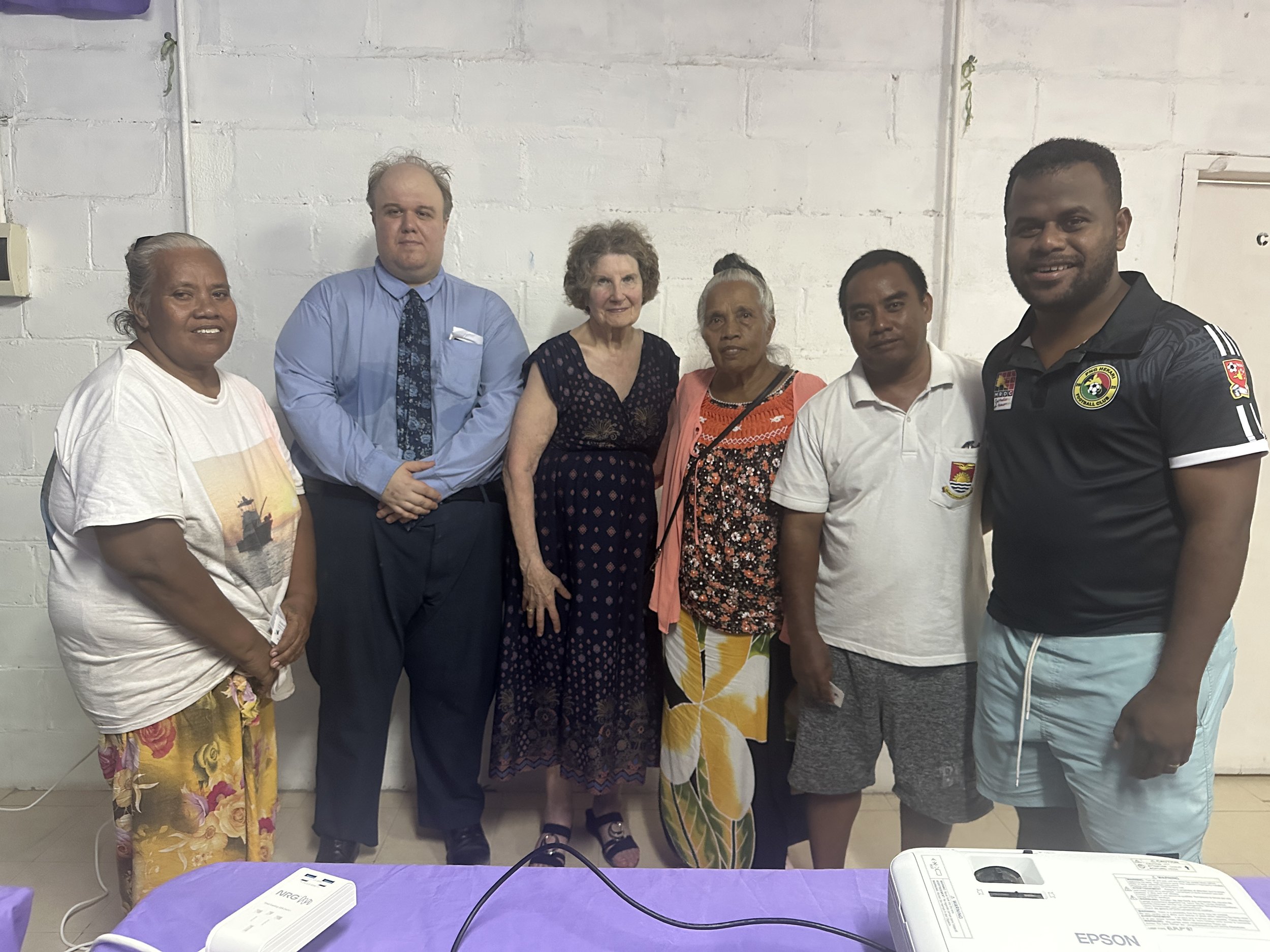
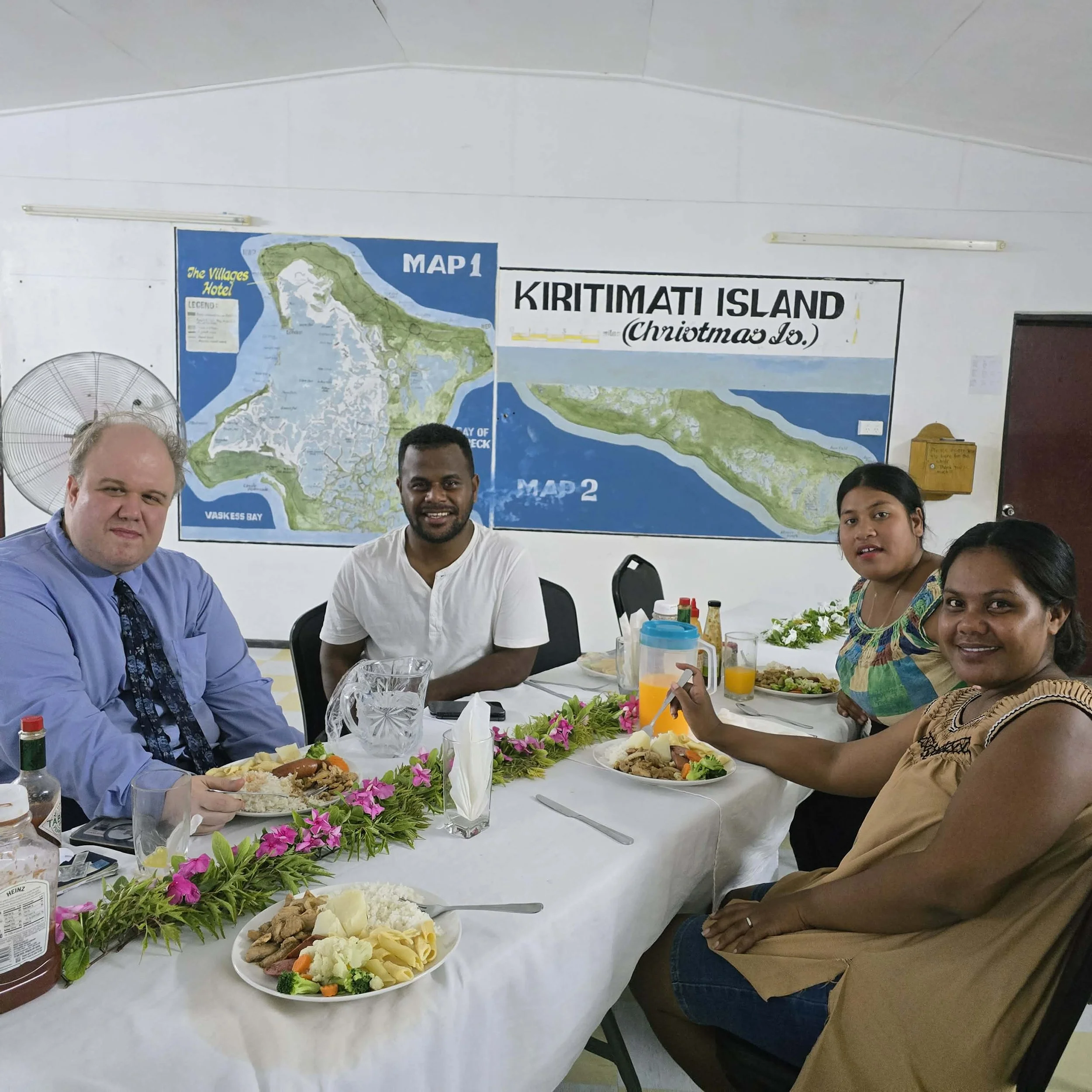
Our journey to Kiritimati Island was the most important part of the mission. There, we held a series of Talanoa sessions and meetings with the mayor, council members, survivors and affected communities.
These discussions were heartbreaking.
Community members spoke about their concerns over the long-term humanitarian and environmental impacts of nuclear testing. Some expressed fears that fish and other food sources may have been contaminated. They called for independent scientists to conduct proper radiological and environmental assessments of the island and its surrounding ocean.
A survivor approached us and shared the tragic experience of her family during and after the nuclear tests. Listening to her made the history real. Nuclear testing is not simply something recorded in books or discussed in meeting rooms. It is a lived experience carried by survivors, their children and their grandchildren.
The people of Kiritimati deserve answers. They deserve proper health assessments, access to medical support, environmental monitoring and recognition of what happened to them. Most importantly, they deserve to be included in every decision about nuclear justice and assistance.
As a young Pacific Islander, this experience affected me deeply. Our Pacific region has carried a heavy nuclear legacy created by powerful countries from outside our region. Communities in Kiribati, the Marshall Islands and French Polynesia continue to experience the consequences. Their stories must not be forgotten or treated as events belonging only to the past.
Building a Nuclear Justice Center
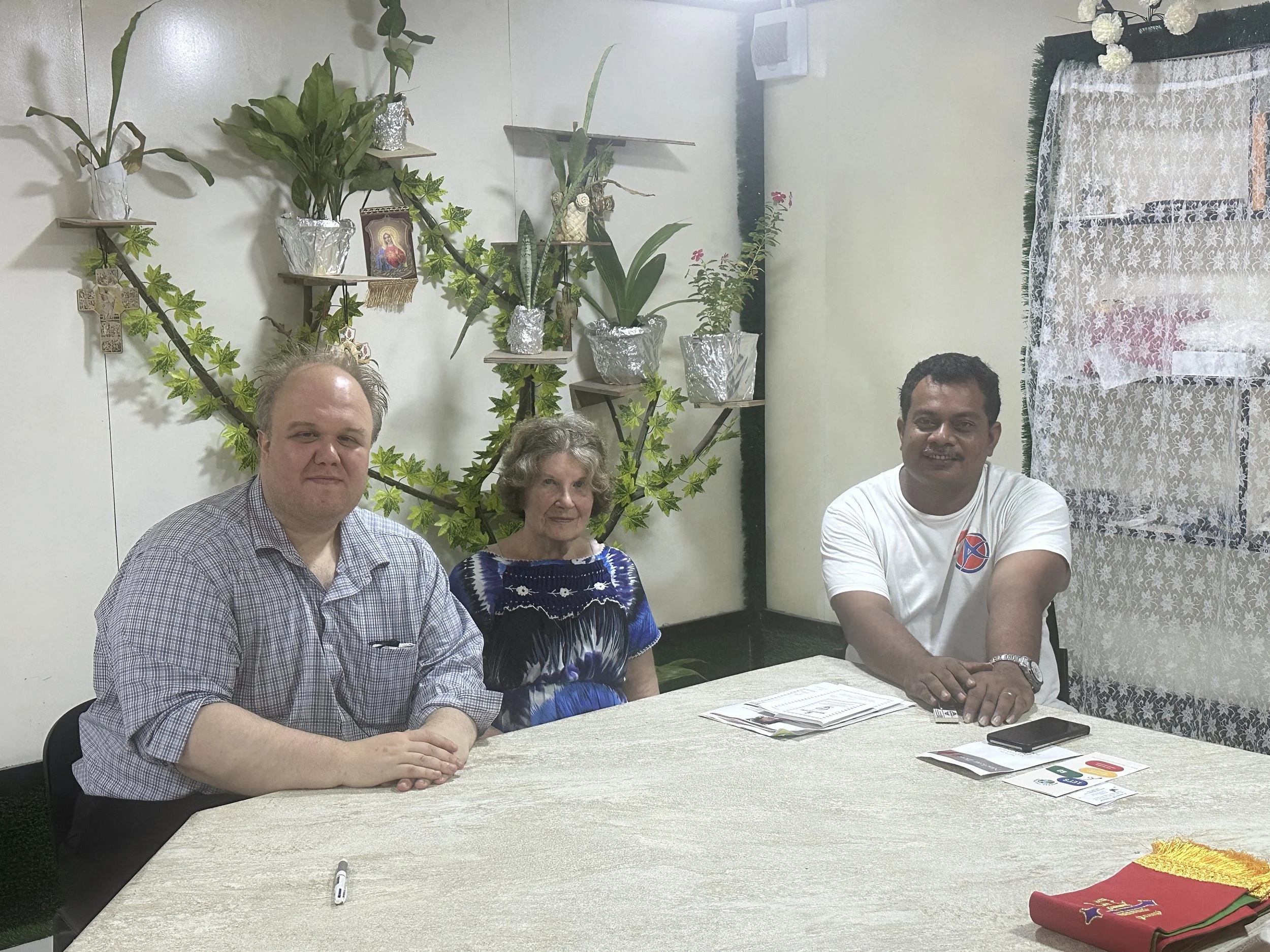
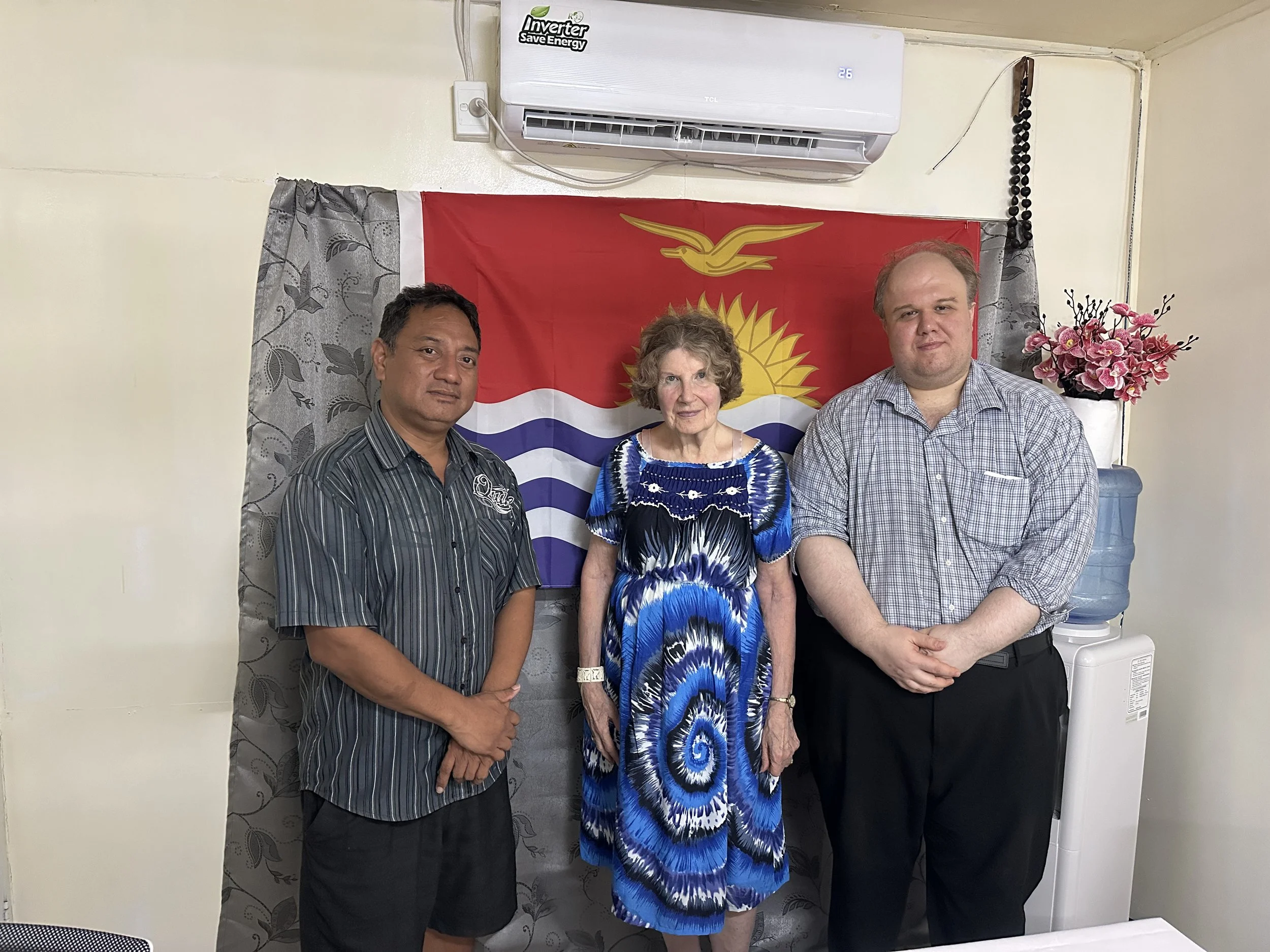
After returning from Kiritimati Island, we met with the Secretary responsible for the Line and Phoenix Islands and the Vicar of the Roman Catholic Diocese of Kiribati. Our discussions focused on the urgent need to support survivors and establish an ecumenical coalition that could work with the government and affected communities.
The proposed Nuclear Justice Center would help preserve survivors’ stories and ensure that their experiences are not lost. It could provide a place for education, research, advocacy and community engagement.
The Center could include:
A permanent archive of survivors’ testimonies and historical records.
Scientific and expert workshops on health and environmental impacts.
Youth policy labs where young people can develop solutions and engage decision-makers.
Creative arts programmes that teach younger generations about nuclear history and justice.
Community-led research and awareness activities.
Regional exchanges involving affected communities from Kiribati and other parts of the Pacific.
Advocacy for victim assistance, environmental remediation and international cooperation under Articles 6 and 7 of the TPNW.
The Center must be shaped and led by the people of Kiribati, especially survivors and affected communities. International organisations can provide support, resources and technical expertise, but the voices of the people must remain at the centre of the work.
Connecting Kiribati with the wider Pacific
This mission also strengthened my commitment to nuclear justice across the Pacific. Through my work with Reverse The Trend Pacific, the Nuclear Futures Fellowship, and now as a Youth4Disarmament Champion, I have seen how important it is to connect local experiences with international policy discussions.
Young people have an important role in this work. We can document survivors' stories, use art and technology to educate others, conduct research, build regional solidarity, and hold governments accountable. We can also ensure that nuclear justice remains a living movement and is not forgotten when the present generation of survivors is no longer with us.
As a Solomon Islander, I also believe our country has a responsibility to stand with affected Pacific communities. Solomon Islands joined the TPNW in 2024, demonstrating its commitment to a world free from nuclear weapons. We must now continue supporting the implementation of the Treaty, particularly its commitments to victim assistance, environmental remediation and international cooperation.
Turning Promises into Action
We left Kiribati inspired, but also aware of the scale and urgency of the work ahead.
Survivors have shared their stories for many years. What they need now is meaningful action. This includes medical support, independent scientific assessments, environmental restoration, preservation of survivor testimony and fair reparations from the countries responsible for the nuclear tests.
This is why we are supporting international discussions on victim assistance and environmental remediation. We hope these discussions will produce practical recommendations that governments, civil society organisations, experts and affected communities can turn into action.
Nuclear justice cannot be achieved without listening to survivors. It cannot be achieved without accountability. And it cannot be achieved unless the international community provides the resources needed to repair the harm caused by nuclear weapons.
Our journey to Kiribati was more than a visit. It was a commitment to continue standing with survivors, amplifying their voices and helping create a platform where their stories, rights and needs remain at the centre of nuclear disarmament work.
We must think about how to involve Pacific youth at the forthcoming TPNW Review Conference and engage with international youth broadly, including from States that have traditionally supported humanitarian disarmament initiatives, such as Canada.
We sincerely thank the Ploughshares Fund, Horizon 2045 and private donors for supporting this important mission. We also thank the Government of Kiribati, religious leaders, local authorities, community members and survivors who welcomed us and trusted us with their stories.
Their message was clear: remember what happened, support those who continue to suffer, and make sure that no community ever experiences such harm again.